Với hơn 10 năm kinh nghiệm về vận chuyển khí nén, Headpowder Sơn Đông cung cấp hệ thống, thiết bị và quạt gió toàn chuỗi, đảm nhận các dự án kỹ thuật bột trọn gói trên toàn quốc.
When it comes to transporting soybean feed in agricultural and industrial settings, selecting the right method is crucial for efficiency, cost-effectiveness, and operational safety. Various transportation systems are available, each with its own set of advantages and disadvantages. This article provides a detailed comparison of common soybean feed transportation methods, helping stakeholders make informed decisions based on their specific needs. The information is presented by Shandong HeadPowder Engineering Co., Ltd., a leading provider of feed processing solutions based in Shandong, China.
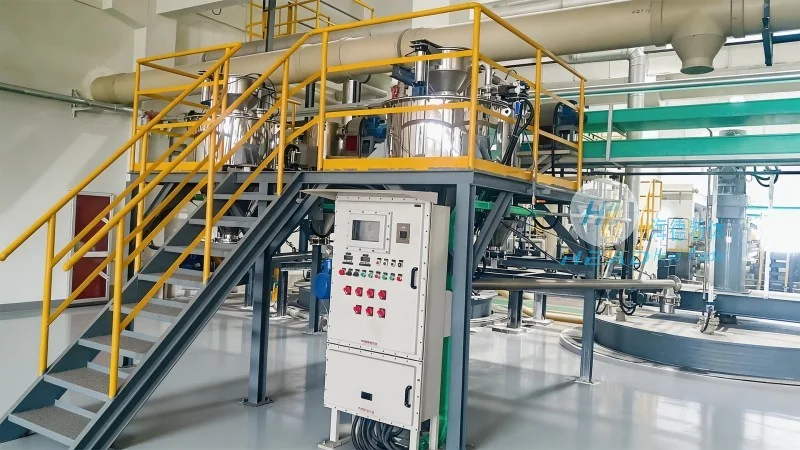
Gravity Feed Systems: A Traditional Approach
Gravity feed systems utilize the natural force of gravity to move soybean feed from storage silos or bins to processing equipment. These systems typically consist of a hopper or bin with a sloped outlet connected to a conveyor or feeder. The primary advantage of gravity feed is its simplicity and low operational cost, as it requires minimal power and maintenance. However, this method is limited by the height of the storage structure and the slope of the outlet, which may restrict the flow rate and cause uneven distribution of feed. Additionally, gravity systems are less effective for transporting feed over long distances or in vertical applications, often requiring additional equipment like augers or elevators to supplement the process.
Pneumatic Conveying Systems: High-Volume and Flexible Transport
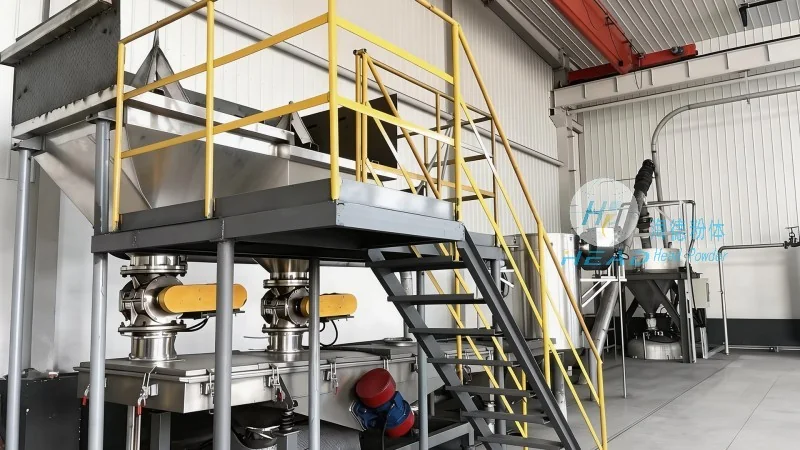
Pneumatic conveying systems use air pressure to transport soybean feed through a network of pipes. These systems can be categorized into two main types: pressure and vacuum. Pressure systems force air and feed through the pipeline, while vacuum systems draw feed into the system using a vacuum pump. The key advantages of pneumatic conveying include high transport capacity, flexibility in routing, and the ability to handle both dry and slightly moist feed. However, these systems require significant energy input to maintain air pressure, leading to higher operational costs. Moreover, the system is susceptible to blockages if the feed contains large particles or clumps, which may necessitate additional cleaning and maintenance. Pneumatic systems also have limitations in terms of vertical lift and distance, as excessive pressure drops can reduce efficiency.
Mechanical Conveyor Systems: Reliable and Versatile Solutions
Mechanical conveyor systems, such as belt conveyors, screw conveyors, and bucket elevators, rely on mechanical power to move soybean feed. Belt conveyors use a continuous belt to transport feed horizontally or at a slight incline, while screw conveyors utilize a rotating screw to push feed through a tube. Bucket elevators lift feed vertically using buckets attached to a chain or belt. The primary advantage of mechanical conveyors is their reliability and ability to handle a wide range of feed types, including those with high moisture content or abrasive properties. These systems are generally low-maintenance and can be easily integrated into existing infrastructure. However, mechanical conveyors may have higher initial costs compared to gravity systems and can experience wear and tear over time, particularly in high-volume operations. Additionally, the design of the conveyor must be carefully considered to prevent feed spillage and ensure consistent flow rates.
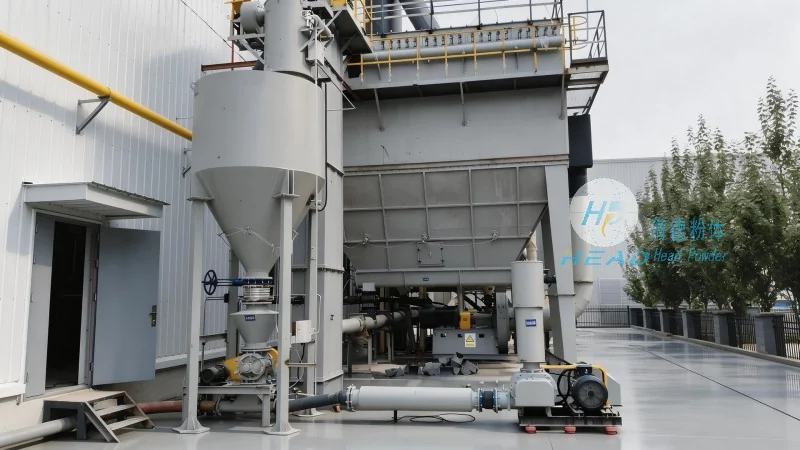
Hybrid Systems: Combining Strengths for Optimal Performance
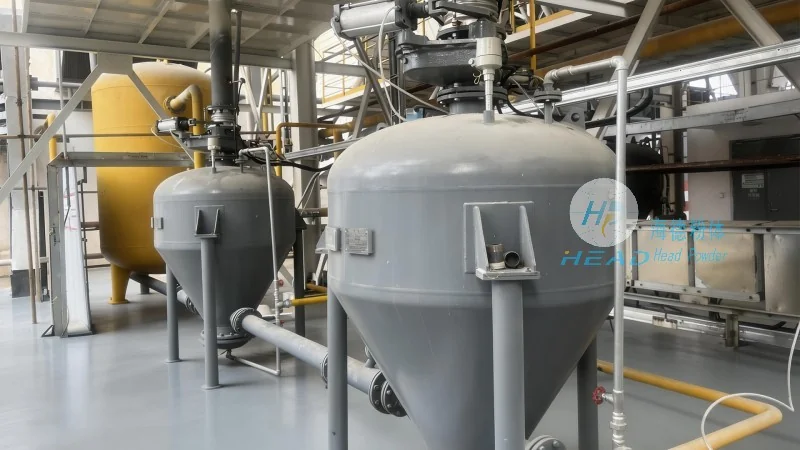
Many modern feed processing facilities employ hybrid systems that combine elements of gravity, pneumatic, and mechanical conveyors to achieve optimal performance. For example, a gravity feed system might be used to move feed from a silo to a pneumatic conveyor for long-distance transport, or a mechanical screw conveyor could be integrated with a vacuum system to handle fine particles. Hybrid systems offer the flexibility to adapt to varying feed characteristics and operational requirements, but they also introduce complexity in design and maintenance. The choice of a hybrid system depends on the specific needs of the facility, including the volume of feed, distance to be covered, and the type of feed being processed.
Factors to Consider When Choosing a Soybean Feed Transportation Method
When selecting a soybean feed transportation method, several factors must be taken into account. The first is the volume and consistency of the feed, as different systems are better suited for dry, moist, or clumpy materials. The distance and elevation changes between the storage and processing areas are also critical, as they determine the feasibility of gravity systems versus pneumatic or mechanical options. Cost considerations, including initial investment and long-term operational expenses, play a significant role in the decision-making process. Additionally, the need for hygiene and sanitation, especially in food processing applications, may influence the choice of materials and design of the transportation system. Finally, the availability of skilled personnel for installation and maintenance should not be overlooked, as proper operation and upkeep are essential for the longevity and efficiency of the system.
By carefully evaluating these factors and understanding the advantages and disadvantages of each transportation method, agricultural and industrial operators can select the most suitable system for their soybean feed handling needs. Whether opting for a traditional gravity system, a high-capacity pneumatic system, or a versatile mechanical conveyor, the goal is to achieve efficient, reliable, and cost-effective feed transportation that supports the overall productivity of the operation.

 Shandong Headpowder Engineering Co., Ltd.
 156-6277-7102(Quản lý Trương)
  0531-83386006
  Thành phố Tế Nam, Tỉnh Sơn Đông, Trung Quốc
Điện thoại
WeChatTư vấn
Lên đầu