Với hơn 10 năm kinh nghiệm về vận chuyển khí nén, Headpowder Sơn Đông cung cấp hệ thống, thiết bị và quạt gió toàn chuỗi, đảm nhận các dự án kỹ thuật bột trọn gói trên toàn quốc.
Clay transport is a critical process in various industrial applications, particularly in mining, construction, and manufacturing sectors. The efficient and reliable movement of clay from its source to processing facilities or storage sites is essential for maintaining production efficiency and minimizing operational costs. There are several common methods used for clay transport, each with its own advantages and specific applications. This article explores the primary methods used in the industry, providing a comprehensive overview for professionals seeking to understand the options available for their operations.
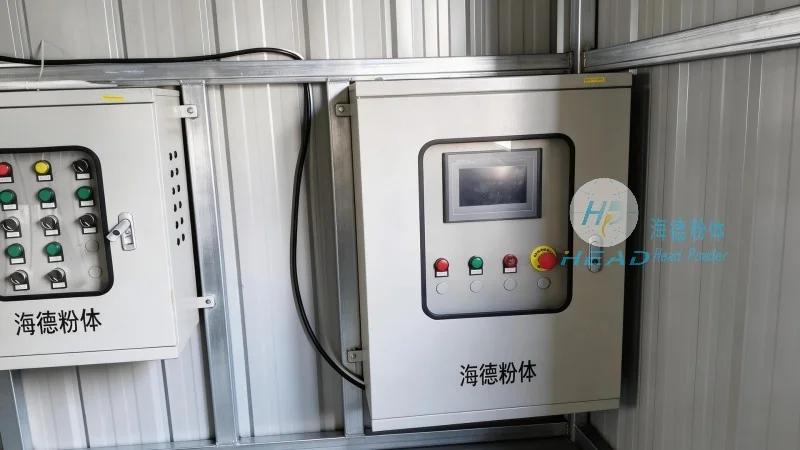
Pipeline Transport: A Primary Method for Bulk Clay Movement
Pipeline transport is one of the most widely used methods for clay transport, especially for large-scale operations involving high volumes of material. This method involves transporting clay through a network of pipes, which can be made from various materials such as steel, polyethylene, or concrete, depending on the clay's properties and the operating conditions. The system typically includes a pumping station, where clay is mixed with water to form a slurry, which is then pumped through the pipeline to the destination. The advantages of pipeline transport include high capacity, continuous operation, and reduced labor costs, as it eliminates the need for manual handling or truck transport. However, it requires significant upfront investment in infrastructure and may not be suitable for all types of clay, particularly those with high solid content or abrasive properties that could damage the pipeline.
Screw Conveyor Systems: Ideal for Horizontal and Slight Inclined Transport
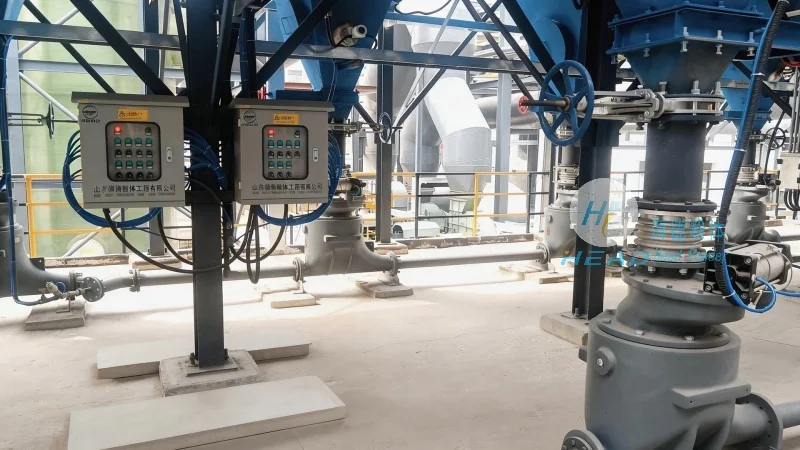
Screw conveyor systems are another common method for clay transport, particularly in applications where the material needs to be moved over short distances or at a moderate speed. These systems consist of a rotating screw (also known as an auger) enclosed in a tube or trough, which pushes the clay forward as it rotates. Screw conveyors are versatile and can handle a wide range of clay types, including wet or dry materials, and are often used in processing plants for feeding raw materials into crushers or mixers. They are relatively simple in design, requiring minimal maintenance, and can be easily integrated into existing production lines. However, they have limitations in terms of the angle of inclination and the length of the transport, as excessive angles or long distances can lead to increased energy consumption and potential blockages.
Pumping Methods: Effective for High-Viscosity Clay
For clay with high viscosity or low water content, pumping methods are often preferred. These methods use pumps, such as centrifugal or positive displacement pumps, to move the clay through a pipeline. Centrifugal pumps are suitable for transporting clay with moderate viscosity, while positive displacement pumps (like piston or diaphragm pumps) are better for highly viscous materials that may clog other types of pumps. Pumping systems can handle clay with varying consistencies and can be used in both horizontal and vertical transport applications. The key advantage of pumping is its ability to maintain a consistent flow rate and pressure, ensuring reliable transport even in challenging conditions. However, the selection of the pump type is critical, as improper pump choice can lead to increased wear and tear or reduced efficiency.
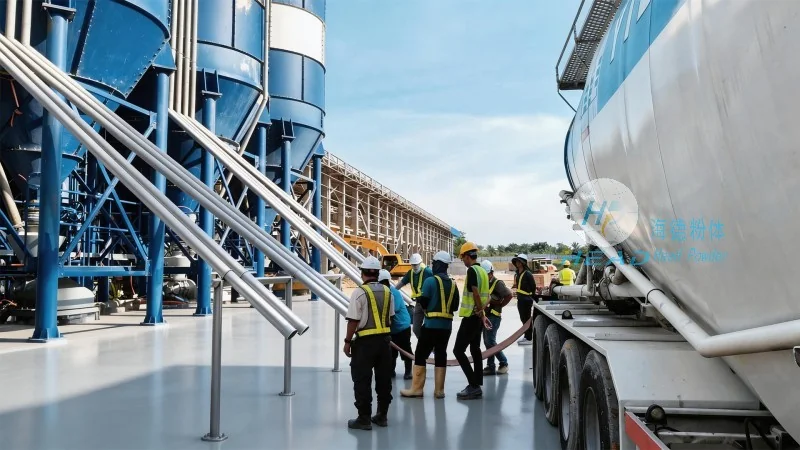
Truck and Rail Transport: Traditional but Less Efficient
While less common for large-scale clay transport due to higher costs and lower efficiency, truck and rail transport are still used in some applications, particularly for short distances or when other methods are not feasible. Truck transport involves loading clay into bulk trucks and transporting it to the destination, while rail transport uses specialized railcars. These methods are flexible and can reach remote locations, but they are generally slower and more expensive compared to pipeline or conveyor systems. They also require additional handling steps, such as loading and unloading, which can increase the risk of material loss or contamination. For these reasons, truck and rail transport are often used as supplementary methods rather than primary transport solutions.
Combining Methods: Hybrid Approaches for Optimal Transport
In many industrial settings, a combination of transport methods is used to achieve optimal results. For example, a pipeline system may be used to transport clay from the mine to a processing plant, followed by a screw conveyor to feed the material into a mixer. This hybrid approach allows for the benefits of each method to be utilized, such as high capacity from the pipeline and precise control from the conveyor. Similarly, pumping may be combined with screw conveyors to handle clay with varying consistencies. The choice of hybrid approach depends on the specific requirements of the operation, including the volume of clay, the distance to be transported, and the characteristics of the material. By combining methods, companies can improve overall efficiency and reduce operational costs, making it a popular strategy in modern clay transport.
Shandong HeadPowder Engineering Co., Ltd., a leading provider of clay transport solutions, specializes in designing and implementing systems tailored to the unique needs of each client. With years of experience in the industry, HeadPowder offers a range of equipment and services, including pipeline systems, screw conveyors, and pumping solutions, to ensure efficient and reliable clay transport. The company's headquarters is located in Shandong, China, and it serves clients worldwide with its expertise and commitment to quality. Whether you are in the mining, construction, or manufacturing sector, HeadPowder can help you find the best transport method for your clay, improving your operational efficiency and reducing costs.

 Shandong Headpowder Engineering Co., Ltd.
 156-6277-7102(Quản lý Trương)
  0531-83386006
  Thành phố Tế Nam, Tỉnh Sơn Đông, Trung Quốc
Điện thoại
WeChatTư vấn
Lên đầu