Với hơn 10 năm kinh nghiệm về vận chuyển khí nén, Headpowder Sơn Đông cung cấp hệ thống, thiết bị và quạt gió toàn chuỗi, đảm nhận các dự án kỹ thuật bột trọn gói trên toàn quốc.
When it comes to construction and infrastructure projects, the efficient transport of aggregates—such as gravel, sand, and crushed stone—is a critical factor in project success. Aggregates are essential materials for concrete, asphalt, and other building components, making their reliable delivery a priority for contractors and engineers alike. The choice of transport method depends on several factors, including the type of aggregate, project location, distance, and environmental considerations. In this article, we explore the primary methods used for aggregate transport, highlighting the solutions offered by Shandong HeadPowder Engineering Co., Ltd. (HeadPowder), a leading provider of material handling systems.
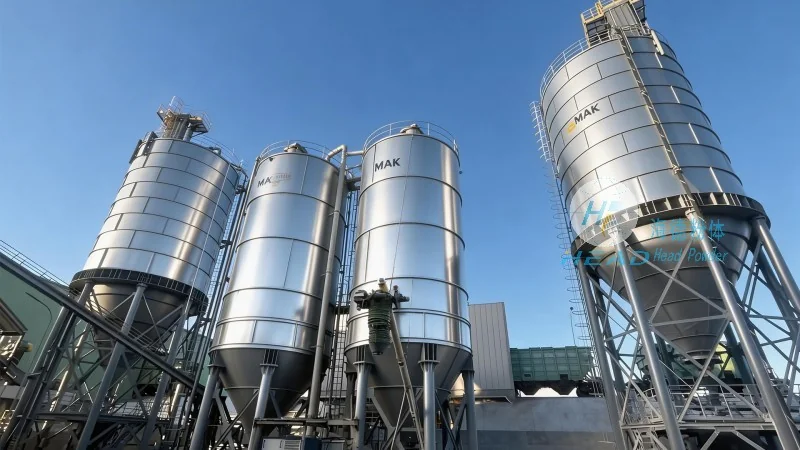
1. Truck Transport: The Most Common Method
Truck transport remains the most widely used method for aggregate delivery, especially for short to medium distances. This method involves loading aggregates into bulk trucks, which can carry large volumes of material. HeadPowder specializes in designing and manufacturing high-capacity truck loading systems, including conveyor belts and hoppers, that ensure efficient and safe loading of aggregates into trucks. These systems are engineered to handle various aggregate sizes and types, minimizing spillage and maximizing throughput. For projects requiring frequent deliveries, truck transport offers flexibility and speed, making it a preferred choice for many construction sites.
2. Belt Conveyor Systems: Continuous and Efficient Transport
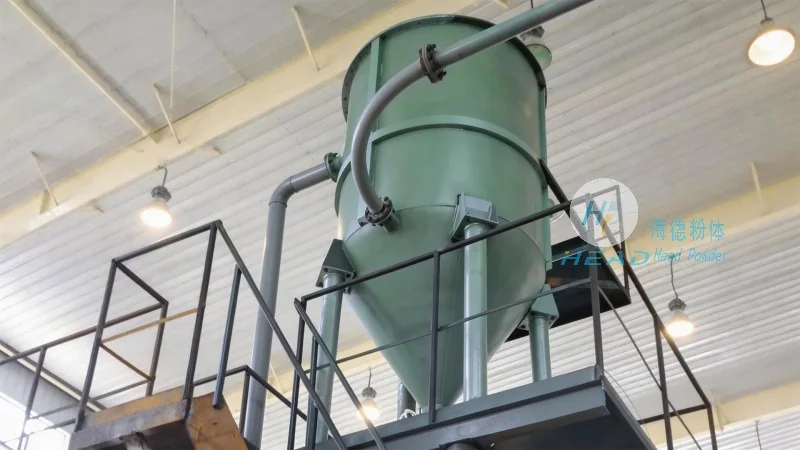
Belt conveyor systems are ideal for transporting aggregates over longer distances, both horizontally and vertically. These systems consist of a continuous belt that moves material from the source to the destination, eliminating the need for manual handling or frequent vehicle trips. HeadPowder’s belt conveyor solutions are designed with durable materials and advanced control systems to ensure reliable operation in demanding environments. The company’s engineers work closely with clients to customize conveyor systems that match the specific requirements of their projects, including the type of aggregate, load capacity, and operational speed. Belt conveyors are particularly effective for transporting aggregates from quarries to processing plants or from storage facilities to construction sites, providing a seamless flow of material.
3. Rail Transport: For Long-Distance and Bulk Deliveries
For projects requiring the transport of large volumes of aggregates over long distances, rail transport is a cost-effective and efficient solution. Rail cars, specifically designed for bulk material transport, can carry significant quantities of aggregates, reducing the number of trips needed compared to truck transport. HeadPowder collaborates with rail operators to develop integrated systems that facilitate the loading and unloading of aggregates at rail terminals. These systems often include specialized loading equipment, such as conveyor belts or bucket elevators, that ensure safe and efficient transfer of material from the source to the rail cars. Rail transport is particularly advantageous for projects located near railway lines, as it minimizes road traffic and reduces environmental impact.
4. Pipelines: A Modern Approach for Specific Applications
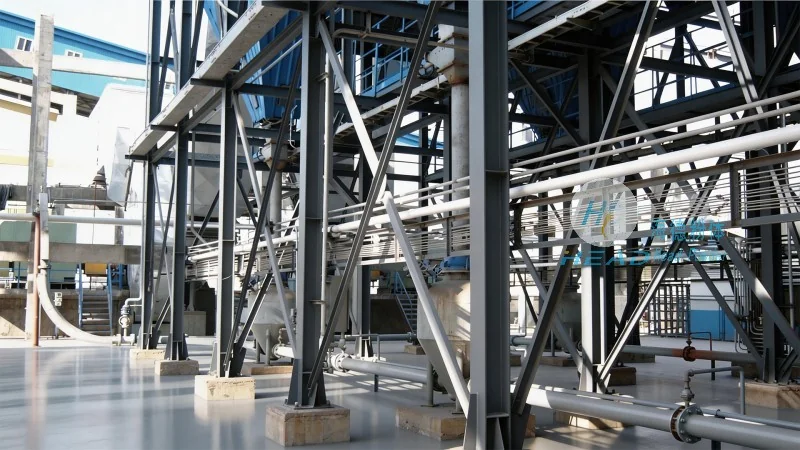
In some specialized applications, pipelines are used to transport aggregates, particularly for wet or slurry-based materials. This method involves pumping aggregates mixed with water through a pipeline to the destination. HeadPowder’s expertise in fluidized bed and slurry transport systems allows for the efficient movement of aggregates in a controlled environment. While less common for dry aggregates, pipelines are suitable for projects involving concrete mixing plants or water treatment facilities where the aggregate is mixed with other materials. The company’s pipeline solutions are designed with high-pressure pumps and durable liners to ensure the safe and reliable transport of aggregates, minimizing clogging and wear.
5. Water Transport: For Coastal and Riverine Projects
For projects located near water bodies, such as coastal construction or riverine infrastructure, water transport is a viable option. Barges and ships are used to carry aggregates from ports or quarries to the construction site. HeadPowder’s expertise in port and terminal equipment, including loading and unloading systems, supports the efficient handling of aggregates for water transport. These systems are designed to handle bulk materials and ensure safe loading onto vessels, minimizing spillage and adhering to environmental regulations. Water transport is particularly effective for large-scale projects that require a continuous supply of aggregates, as it can deliver significant volumes over long distances with lower operational costs compared to truck or rail transport.

 Shandong Headpowder Engineering Co., Ltd.
 156-6277-7102(Quản lý Trương)
  0531-83386006
  Thành phố Tế Nam, Tỉnh Sơn Đông, Trung Quốc
Điện thoại
WeChatTư vấn
Lên đầu