Với hơn 10 năm kinh nghiệm về vận chuyển khí nén, Headpowder Sơn Đông cung cấp hệ thống, thiết bị và quạt gió toàn chuỗi, đảm nhận các dự án kỹ thuật bột trọn gói trên toàn quốc.
When it comes to the efficient and reliable transportation of sand, various methods are employed across different industries. Understanding the available options is crucial for optimizing operations and ensuring the smooth flow of materials. This article explores the primary methods for sand conveying, highlighting their applications and benefits.
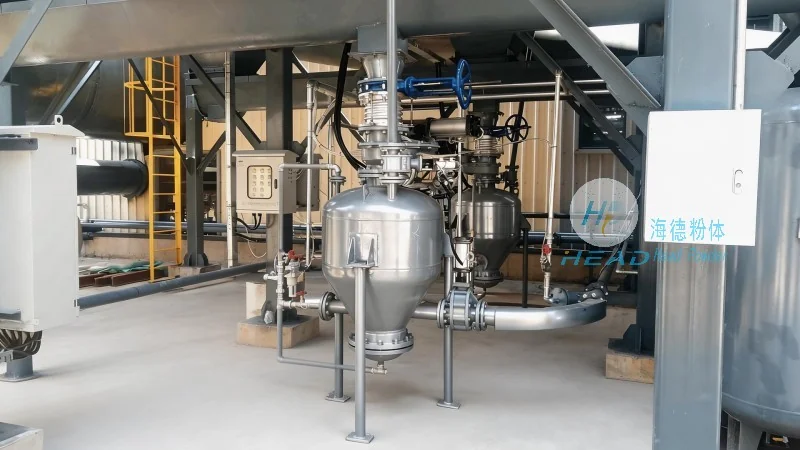
Overview of Sand Conveying Methods
Sand conveying involves the movement of sand from one location to another, often within industrial or construction settings. The choice of method depends on factors such as the volume of sand to be transported, the distance, the required speed, and the environmental conditions. Common methods include mechanical conveyors, pneumatic systems, and hydraulic solutions, each with its own advantages and limitations.
1. Mechanical Conveyors: The Traditional Choice
Mechanical conveyors are among the most widely used methods for sand conveying. These systems utilize mechanical components like belts, buckets, or screws to transport sand. The most common types include belt conveyors, screw conveyors, and bucket elevators. Belt conveyors are ideal for long-distance horizontal or slight incline transport, while screw conveyors are suitable for vertical or inclined movement, often in confined spaces. Bucket elevators are designed for vertical transport, capable of handling large volumes of sand efficiently.
2. Pneumatic Conveying Systems
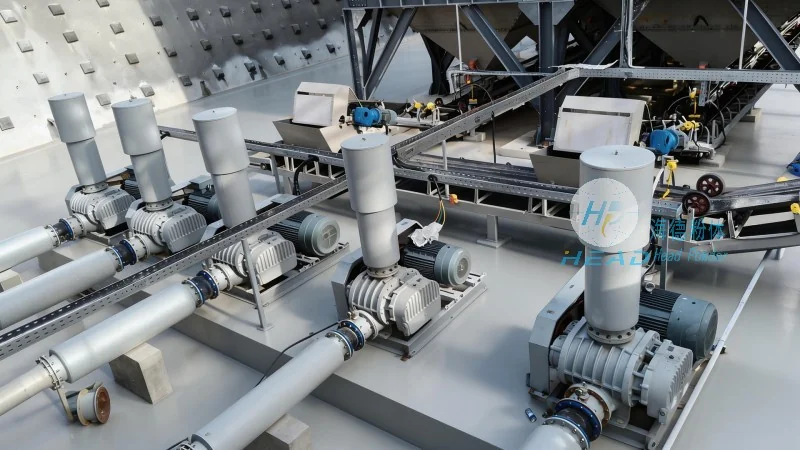
Pneumatic conveying systems use air pressure to move sand through a pipeline. This method is particularly effective for transporting sand in dusty or hazardous environments, as it eliminates the need for direct contact with the material. There are two main types: positive pressure and negative pressure systems. Positive pressure systems blow air into the pipeline, pushing the sand forward, while negative pressure systems create a vacuum to draw the sand. Pneumatic systems are flexible and can handle both dry and wet sand, making them versatile for various applications.
3. Hydraulic Conveying Solutions
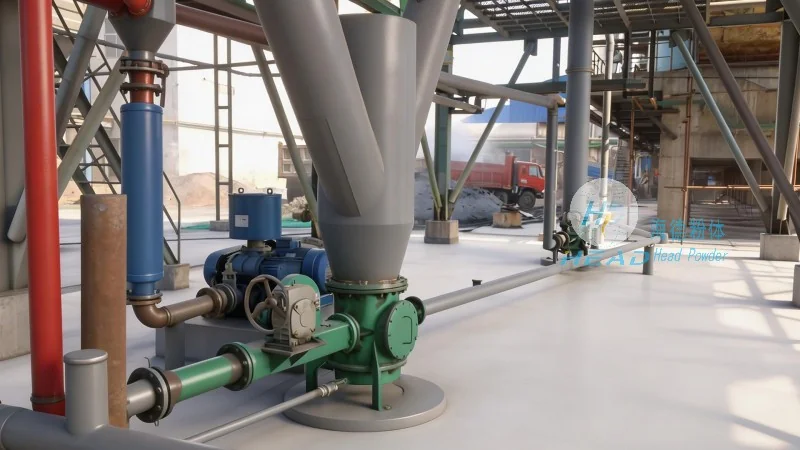
Hydraulic conveying systems utilize water or other liquids to transport sand. This method is commonly used in mining and construction for transporting sand over long distances or through challenging terrains. The sand is mixed with water to form a slurry, which is then pumped through pipelines. Hydraulic systems are effective for handling abrasive materials and can transport large volumes with minimal maintenance. However, they require proper filtration and dewatering processes to manage the resulting slurry.
4. Gravity Conveying
Gravity conveying relies on the natural force of gravity to move sand from a higher to a lower elevation. This method is simple and cost-effective for short distances and gentle slopes. It involves the use of chutes or troughs that allow sand to flow down under its own weight. While gravity conveying is efficient for certain applications, it is limited by the slope and distance, making it less suitable for long or steep inclines.
Choosing the Right Sand Conveying Method
Selecting the appropriate sand conveying method requires careful consideration of several factors. The volume and consistency of the sand, the distance and elevation changes, the environmental impact, and the available budget all play a role in the decision-making process. For example, if a large volume of sand needs to be transported over a long distance horizontally, a belt conveyor might be the best choice. In contrast, if the sand is dusty and needs to be handled in a controlled environment, a pneumatic system could be more suitable.
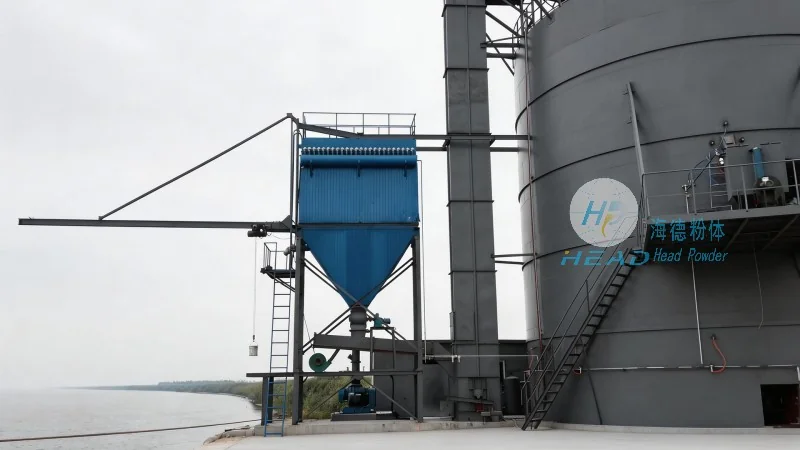
Applications in Different Industries
Sand conveying methods are applied across various industries, including construction, mining, and manufacturing. In construction, sand is often transported to building sites for concrete production and other applications. In mining, sand is extracted from quarries and transported to processing facilities. In manufacturing, sand is used in foundries and other processes, requiring efficient conveying to maintain production efficiency.
Conclusion
In conclusion, the methods for sand conveying vary based on the specific requirements of the operation. Mechanical conveyors offer reliability and efficiency for many applications, while pneumatic and hydraulic systems provide flexibility and control in certain scenarios. Understanding the strengths and limitations of each method is essential for selecting the most effective solution. By considering factors such as volume, distance, and environmental conditions, industries can optimize their sand conveying processes and enhance overall operational performance.

 Shandong Headpowder Engineering Co., Ltd.
 156-6277-7102(Quản lý Trương)
  0531-83386006
  Thành phố Tế Nam, Tỉnh Sơn Đông, Trung Quốc
Điện thoại
WeChatTư vấn
Lên đầu