Với hơn 10 năm kinh nghiệm về vận chuyển khí nén, Headpowder Sơn Đông cung cấp hệ thống, thiết bị và quạt gió toàn chuỗi, đảm nhận các dự án kỹ thuật bột trọn gói trên toàn quốc.
HeadPowder Engineering Co., Ltd., based in Shandong, China, specializes in providing efficient and reliable solutions for transporting shredded paper. This article provides a detailed comparison of common shredded paper transport methods, helping businesses choose the most suitable system for their needs.
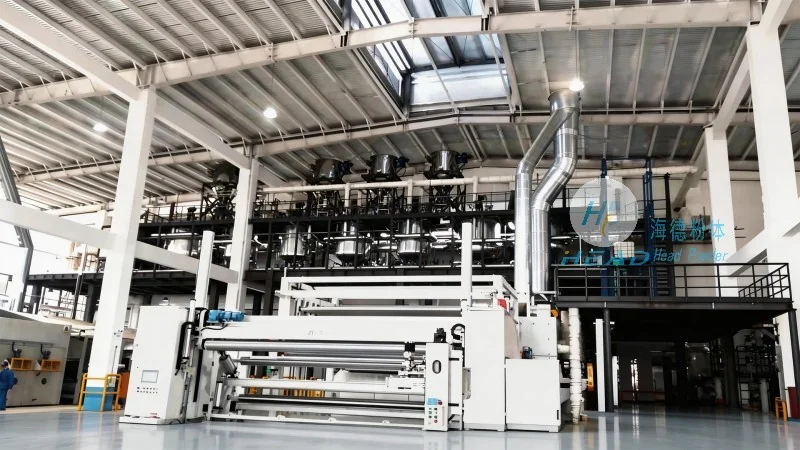
About HeadPowder Engineering Co., Ltd.
HeadPowder Engineering Co., Ltd. is a leading manufacturer of industrial conveyor systems, with a focus on customized solutions for various material handling applications. The company is located in Shandong, China, and has built a reputation for quality, durability, and innovative design in the industry. Their products are engineered to meet the specific requirements of clients, ensuring optimal performance and long-term reliability.
Introduction to Shredded Paper Transport Methods
Efficient transport of shredded paper is crucial for maintaining smooth operations in recycling facilities, waste management plants, and paper processing industries. Different transport methods offer varying advantages in terms of capacity, cost, and suitability for specific environments. Understanding the characteristics of each method is essential for selecting the right system.
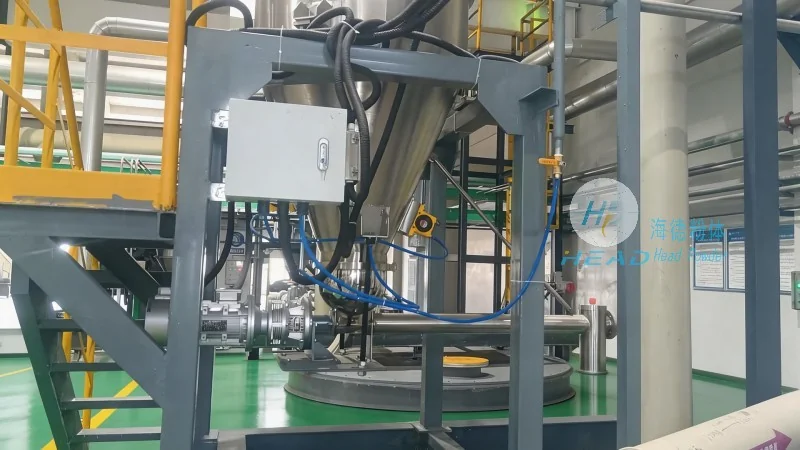
1. Screw Conveyor (Auger Conveyor)
A screw conveyor, also known as an auger conveyor, is a type of mechanical conveyor that uses a rotating screw to move material along a trough. For shredded paper, this method is particularly effective due to the uniform size and shape of the particles. The screw, often called a helicoid, rotates within a tube or trough, pushing the material forward. HeadPowder's screw conveyors are designed with robust construction and high-quality materials to handle the abrasive nature of shredded paper. They are suitable for horizontal or slight incline transport and can handle a wide range of capacities. The main advantages include low maintenance, simple design, and the ability to operate in enclosed systems, which helps contain dust and odors. However, screw conveyors may experience increased wear on the screw and trough due to the abrasive properties of shredded paper, and they are less efficient for steep inclines.
2. Pneumatic Conveying System
Pneumatic conveying uses air pressure to transport shredded paper through a pipeline. This method is ideal for applications requiring dust-free and enclosed transport, as the material is contained within the pipeline. There are two main types: pressure and vacuum systems. Pressure systems use compressed air to push the material, while vacuum systems use a vacuum to pull it. HeadPowder offers both types of pneumatic conveying systems tailored for shredded paper. The primary advantage is the ability to transport material over long distances without the need for multiple transfer points. It also allows for the integration of other processes, such as drying or sorting, within the pipeline. However, pneumatic conveying can be more expensive to install and maintain, and it may not be suitable for very fine or lightweight shredded paper, as it can cause material to settle or require higher air pressure.
3. Belt Conveyor
A belt conveyor uses a continuous belt to transport shredded paper. The material is placed on the belt at one end and moves to the other end as the belt rotates. This method is commonly used in recycling plants and waste management facilities due to its high capacity and ability to handle large volumes of material. HeadPowder's belt conveyors are designed with heavy-duty belts and strong frames to withstand the weight and abrasiveness of shredded paper. They are suitable for both horizontal and inclined transport and can be customized with side walls or load zones to prevent material spillage. The main advantages include high throughput, low maintenance cost, and the ability to transport material over long distances. However, belt conveyors require more space and may be less efficient for very fine particles, as they can cause the material to scatter or require additional cleaning mechanisms.
4. Chain Conveyor
A chain conveyor uses a series of chains with attached buckets or plates to transport shredded paper. This method is particularly effective for handling sticky or wet shredded paper, as the chains can provide better grip and prevent material from sticking to the conveyor. HeadPowder's chain conveyors are designed with durable chains and robust buckets to handle the challenging conditions of shredded paper. They are suitable for both horizontal and vertical transport and can be used in environments with high humidity or moisture. The main advantages include high load capacity and the ability to handle materials with high moisture content. However, chain conveyors are more complex and require more maintenance than other systems, as the chains and buckets need regular inspection and replacement.
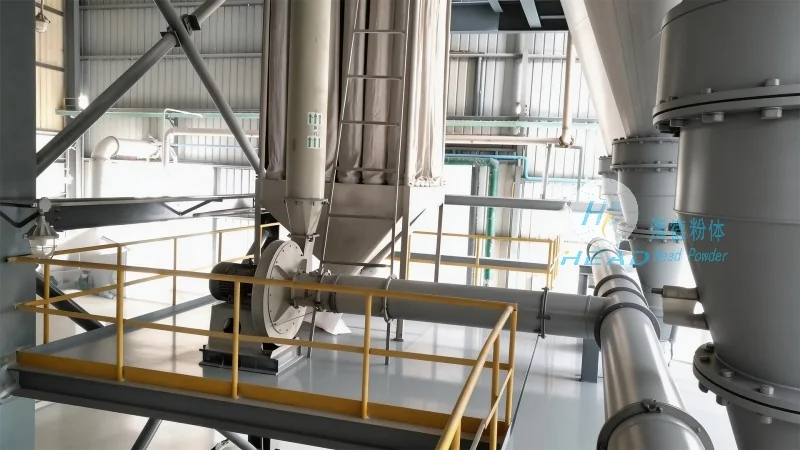
5. Vibrating Conveyor
A vibrating conveyor uses vibrations to move shredded paper along a trough. The trough is mounted on a frame with vibration motors, which cause the material to move forward due to the vibrations. This method is ideal for transporting fine or lightweight shredded paper, as the vibrations help prevent material from settling or sticking to the trough. HeadPowder's vibrating conveyors are designed with adjustable vibration frequencies and amplitudes to optimize performance for different material types. They are suitable for horizontal transport and can be used in enclosed systems to contain dust. The main advantages include low maintenance, simple design, and the ability to handle fine particles. However, vibrating conveyors may not be as efficient for large volumes of material and can generate noise, which may require additional noise control measures.
Conclusion and Recommendations
Choosing the right shredded paper transport method depends on several factors, including the volume of material, the distance to be transported, the environment, and the specific characteristics of the shredded paper. HeadPowder Engineering Co., Ltd. offers a range of conveyor systems tailored to meet these needs, ensuring efficient and reliable transport. For horizontal transport of uniform shredded paper, a screw conveyor or belt conveyor may be suitable. For long-distance, enclosed transport, a pneumatic conveying system is recommended. For handling sticky or wet materials, a chain conveyor is ideal. By understanding the advantages and limitations of each method, businesses can select the most appropriate system to enhance their operations and improve overall efficiency.

 Shandong Headpowder Engineering Co., Ltd.
 156-6277-7102(Quản lý Trương)
  0531-83386006
  Thành phố Tế Nam, Tỉnh Sơn Đông, Trung Quốc
Điện thoại
WeChatTư vấn
Lên đầu