Với hơn 10 năm kinh nghiệm về vận chuyển khí nén, Headpowder Sơn Đông cung cấp hệ thống, thiết bị và quạt gió toàn chuỗi, đảm nhận các dự án kỹ thuật bột trọn gói trên toàn quốc.
When it comes to transporting yellow sand, selecting the right conveying method is crucial for efficiency, cost-effectiveness, and operational safety. As a leading provider of industrial conveying solutions, Shandong HeadPowder Engineering Co., Ltd. (HeadPowder), based in Shandong, China, offers a range of specialized systems tailored to the unique properties of yellow sand. This article explores the primary methods used for yellow sand conveyance, highlighting their applications, advantages, and considerations.
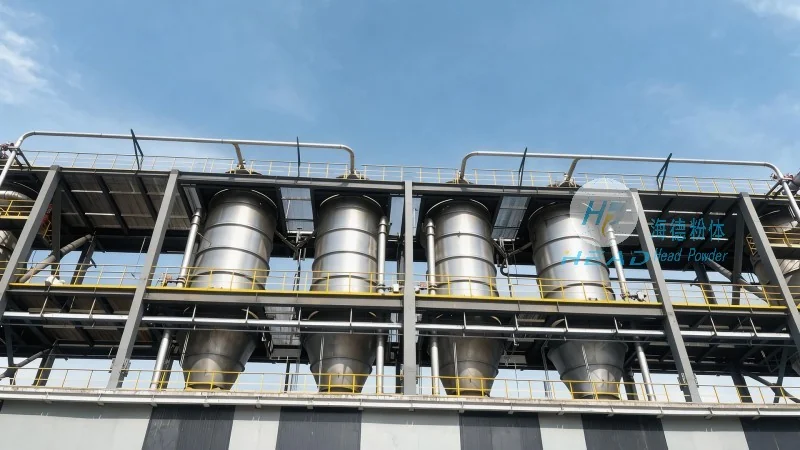
1. Pipeline Conveying (Pneumatic Conveying)
Pneumatic conveying, or pipeline conveying, is a widely used method for transporting yellow sand over long distances. This system utilizes air pressure to move the material through a sealed pipeline. HeadPowder’s pneumatic conveying systems are designed with high-pressure blowers and flexible hoses or rigid pipes, ensuring reliable transport of fine to medium-sized yellow sand particles. The key advantages include minimal dust generation, ability to handle vertical and horizontal transport, and reduced labor costs compared to manual handling. However, it requires proper maintenance of air filtration systems and may not be suitable for very large or abrasive particles.
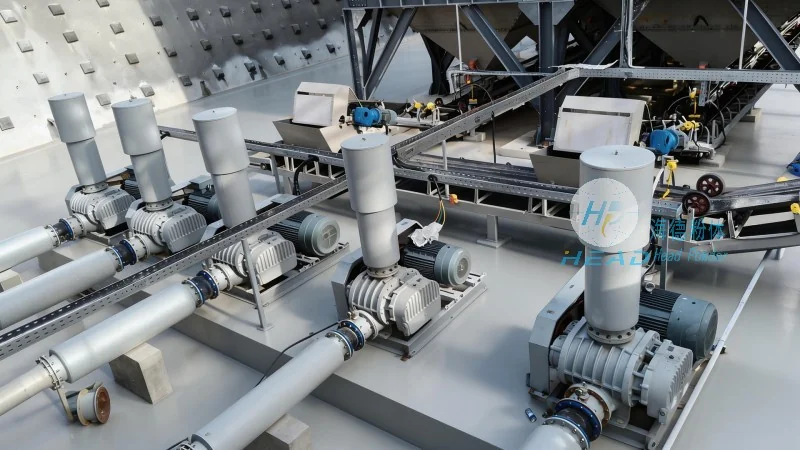
2. Belt Conveying
Belt conveying is another common method for yellow sand transport, particularly in bulk material handling operations. This system uses a continuous belt to move the sand from one location to another. HeadPowder’s belt conveyors are engineered with heavy-duty belts and robust frame structures, capable of handling high volumes of yellow sand. The advantages of belt conveying include high throughput, low maintenance, and suitability for both short and long horizontal distances. It is particularly effective for transporting sand from stockpiles to processing facilities or for loading trucks. However, it may generate dust during loading and unloading, and the initial setup cost can be higher compared to other methods.
3. Screw Conveying
Screw conveying, also known as auger conveying, is a method that uses a rotating screw to push yellow sand forward through a trough or tube. HeadPowder’s screw conveyors are designed with durable materials such as stainless steel or high-strength steel, ensuring resistance to abrasion from the sand particles. This method is ideal for vertical or inclined transport of yellow sand, as it can lift the material without the need for additional equipment. The advantages include simplicity, low power consumption, and compact design. However, it may experience wear and tear on the screw and trough over time, especially with abrasive materials like yellow sand.
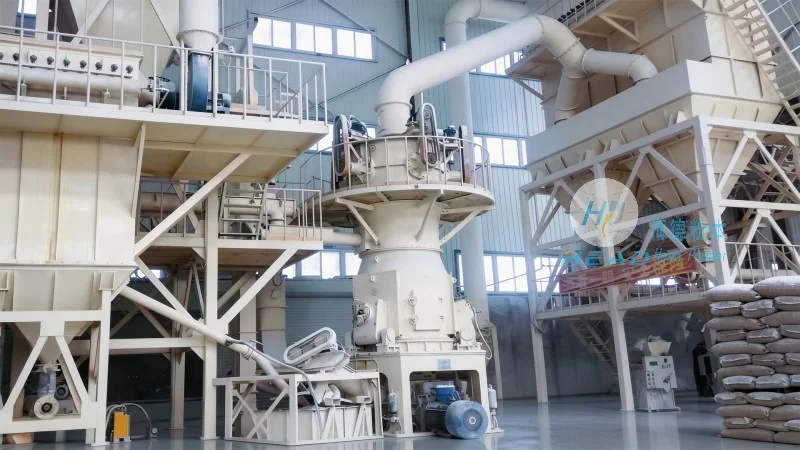
4. Hydraulic Conveying
Hydraulic conveying uses water or a slurry to transport yellow sand through a pipeline. This method is particularly effective for transporting fine sand over long distances with minimal segregation. HeadPowder’s hydraulic systems are equipped with pumps and pipelines, ensuring consistent flow and preventing clogging. The advantages include the ability to handle very fine particles and reduce dust exposure. However, it requires careful management of water usage and disposal, and the system may be less efficient for transporting dry sand.
5. Bucket Elevators
Bucket elevators are vertical conveying systems that use a continuous chain with attached buckets to lift yellow sand from a lower to a higher level. HeadPowder’s bucket elevators are designed with heavy-duty buckets and robust drive mechanisms, capable of handling large volumes of sand. This method is ideal for vertical transport, such as moving sand from a storage silo to a processing plant. The advantages include high capacity, low maintenance, and minimal space requirement. However, it may experience wear on the buckets and chain, and the system is not suitable for horizontal transport.

 Shandong Headpowder Engineering Co., Ltd.
 156-6277-7102(Quản lý Trương)
  0531-83386006
  Thành phố Tế Nam, Tỉnh Sơn Đông, Trung Quốc
Điện thoại
WeChatTư vấn
Lên đầu