Với hơn 10 năm kinh nghiệm về vận chuyển khí nén, Headpowder Sơn Đông cung cấp hệ thống, thiết bị và quạt gió toàn chuỗi, đảm nhận các dự án kỹ thuật bột trọn gói trên toàn quốc.
Lithium-ion batteries are integral to modern technology, powering everything from smartphones and electric vehicles to renewable energy storage systems. The safe and efficient handling of these batteries is critical due to their high energy density and potential for thermal instability. Various handling methods are employed across industries, each with distinct advantages and limitations. This article provides a detailed comparison of common lithium-ion battery handling methods, focusing on their applications, benefits, and suitability for different production scales.
1. Manual Handling and Ergonomic Workflows
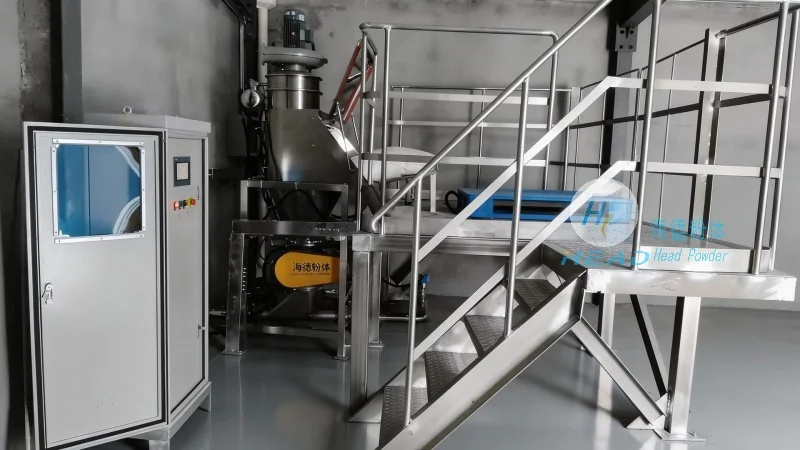
Manual handling remains a prevalent method in smaller-scale battery production or during the initial stages of manufacturing. Human operators perform tasks such as battery placement, sorting, and quality inspection. Ergonomic solutions, including adjustable workstations, anti-fatigue mats, and specialized tools, are integrated to reduce physical strain and enhance operator comfort. While cost-effective for low-volume operations, manual handling has drawbacks, including higher labor costs, slower throughput, and increased risk of human error. Companies like Shandong HeadPowder Engineering Co., Ltd. offer ergonomic equipment and training programs to optimize manual handling processes, ensuring compliance with safety regulations and operational efficiency.
2. Automated Guided Vehicles (AGVs) and Robotic Systems
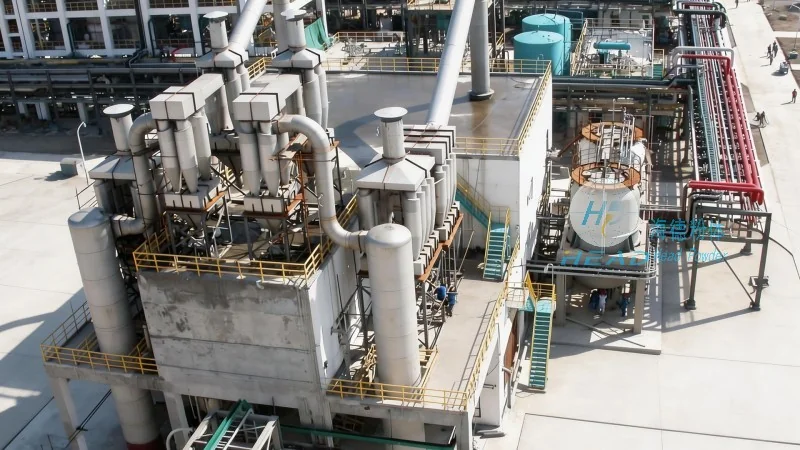
For medium to large-scale production facilities, AGVs and robotic systems are increasingly adopted. AGVs use pre-programmed paths or sensors to transport batteries between assembly, testing, and packaging stages. Robotic arms and pick-and-place systems automate tasks like loading and unloading from machines, improving precision and reducing human intervention. This method enhances throughput and scalability while minimizing battery damage. However, AGV and robotic systems require significant capital investment and specialized maintenance. Shandong HeadPowder Engineering Co., Ltd. provides customized AGV solutions tailored to specific production needs, ensuring seamless integration with existing manufacturing processes.
3. Conveyor Systems and Pneumatic Conveying
Conveyor systems, including belt and roller conveyors, are widely used for continuous battery handling. These systems facilitate smooth movement between production stages, supporting high-volume operations. Pneumatic conveying systems use compressed air to transport small or lightweight batteries through tubes, ideal for cleanroom environments. Conveyor systems are cost-effective and adaptable, but may lack flexibility for dynamic production changes. HeadPowder Engineering Co., Ltd. offers modular conveyor solutions that can be reconfigured to accommodate different battery sizes and production layouts, optimizing material flow.
4. Mechanical Handling Equipment
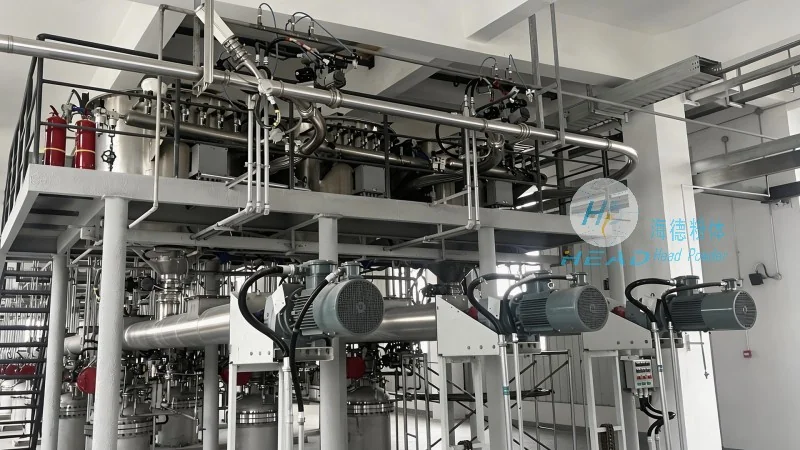
Mechanical handling equipment, such as forklifts, pallet jacks, and automated storage and retrieval systems (AS/RS), is used for bulk handling and storage. Forklifts and pallet jacks move large battery packs or finished products, while AS/RS systems automate warehouse storage and retrieval, improving space utilization. This method is critical for logistics and distribution centers. However, it requires proper operator training to ensure safety and prevent battery damage. Shandong HeadPowder Engineering Co., Ltd. provides comprehensive mechanical handling solutions, including safety training and equipment maintenance, to support clients in optimizing their battery handling operations.
5. Smart Technology Integration
Modern handling systems incorporate smart technologies like IoT sensors, real-time monitoring, and data analytics. IoT sensors track battery position, temperature, and status, providing real-time data for process optimization. Data analytics help identify bottlenecks and improve efficiency. Smart systems enhance safety by detecting anomalies and alerting operators. While adding complexity and cost, these technologies offer long-term benefits. HeadPowder Engineering Co., Ltd. offers integrated smart handling solutions, leveraging these technologies to provide clients with actionable insights and improved performance.

 Shandong Headpowder Engineering Co., Ltd.
 156-6277-7102(Quản lý Trương)
  0531-83386006
  Thành phố Tế Nam, Tỉnh Sơn Đông, Trung Quốc
Điện thoại
WeChatTư vấn
Lên đầu