Với hơn 10 năm kinh nghiệm về vận chuyển khí nén, Headpowder Sơn Đông cung cấp hệ thống, thiết bị và quạt gió toàn chuỗi, đảm nhận các dự án kỹ thuật bột trọn gói trên toàn quốc.
When it comes to handling refractory materials in industrial settings, selecting the right conveying method is crucial for efficiency, safety, and cost-effectiveness. Shandong HeadPowder Engineering Co., Ltd., a leading provider in the field, understands the importance of choosing the most suitable system for each application. This article provides a detailed comparison of common refractory material conveying methods, highlighting their advantages and disadvantages to help industrial operators make informed decisions.
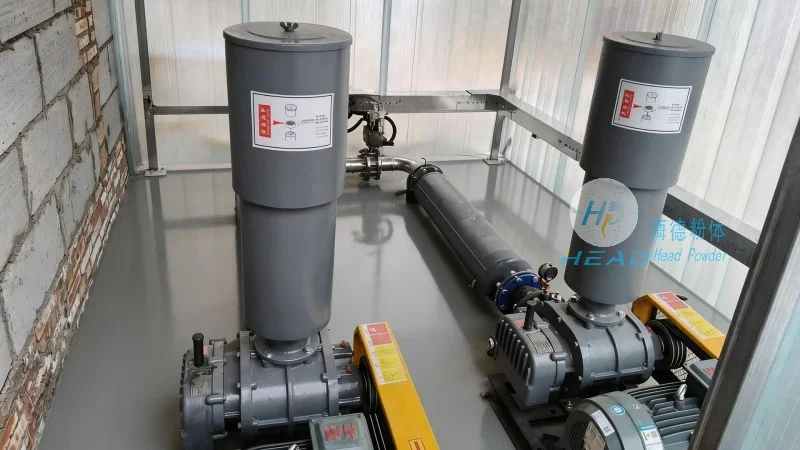
1. Screw Conveyors: The Traditional Choice for Bulk Material Handling
Screw conveyors, also known as auger conveyors, are among the most widely used equipment for transporting refractory materials. These systems consist of a rotating helical screw inside a trough, which moves material from one point to another through gravity and friction. HeadPowder, with its expertise in refractory processing, often recommends screw conveyors for applications involving dry, free-flowing materials such as refractory powders and granules. The primary advantage of screw conveyors is their simplicity and low maintenance requirements. They are relatively inexpensive to install and operate, making them ideal for small to medium-scale operations. Additionally, screw conveyors can handle a wide range of material types, including those with varying particle sizes and moisture content, as long as the material is not overly abrasive or sticky. However, their limitations become apparent when dealing with highly abrasive or sticky refractory materials, as the screw and trough can experience significant wear over time. This can lead to increased maintenance costs and reduced efficiency. Furthermore, screw conveyors are not suitable for vertical lifting applications, as they rely on gravity and friction to move material, which is inefficient for vertical transport. The design also limits the conveying distance and speed, making them less effective for long-distance or high-speed material transfer.
2. Pneumatic Conveying Systems: Efficient for Fine and Powdered Materials
Pneumatic conveying systems use air or other gases to transport refractory materials, making them an excellent choice for handling fine powders and granules. These systems can be categorized into two main types: pressure and vacuum. Pressure systems force air through a pipeline, pushing the material forward, while vacuum systems create a negative pressure to draw material into the system. HeadPowder has extensive experience in designing and implementing pneumatic conveying solutions for refractory industries. One of the key advantages of pneumatic conveying is its ability to transport materials over long distances with minimal loss and contamination. This is particularly beneficial for applications where materials need to be moved from a processing plant to a storage facility or a production line. Another advantage is the system's ability to handle materials with high moisture content or those that are prone to caking, as the air flow helps to keep the material in a suspended state, preventing blockages. However, pneumatic conveying systems require more complex equipment and higher energy consumption compared to other methods. The initial investment and ongoing operational costs are generally higher due to the need for air compressors and filtration systems. Additionally, the system is less effective for handling large, bulky refractory pieces, as the air flow may not be sufficient to move them efficiently. The design also requires careful consideration of the material's properties, as some refractory materials may be too abrasive or corrosive for the system's components, leading to increased wear and maintenance.
3. Belt Conveyors: Versatile for Bulk and Heavy Material Transport
Belt conveyors are a versatile and widely used method for transporting refractory materials, especially for bulk and heavy items. These systems consist of a continuous belt that moves over rollers or idlers, carrying the material from one location to another. HeadPowder often recommends belt conveyors for applications involving large refractory blocks, bricks, or other heavy components. The primary advantage of belt conveyors is their ability to handle large volumes of material at high speeds and over long distances. They are highly efficient for transporting heavy and bulky items, making them ideal for construction and manufacturing sites where large quantities of refractory materials need to be moved. Another advantage is the system's durability and low maintenance requirements. The belt and rollers are designed to withstand heavy loads and abrasive materials, reducing the need for frequent repairs. Belt conveyors also offer flexibility in terms of layout, as they can be installed in various configurations, including horizontal, inclined, and even vertical lifts with the use of special idlers. However, belt conveyors have limitations when dealing with fine powders or granules, as the material may fall through the belt or cause the belt to slip. This can lead to material loss and reduced efficiency. Additionally, the system requires regular cleaning and maintenance to prevent material buildup and belt wear. The initial investment for belt conveyors is higher compared to screw or pneumatic systems, especially for large-scale applications. The design also requires proper alignment and tensioning to ensure smooth operation, which can be challenging for complex layouts.
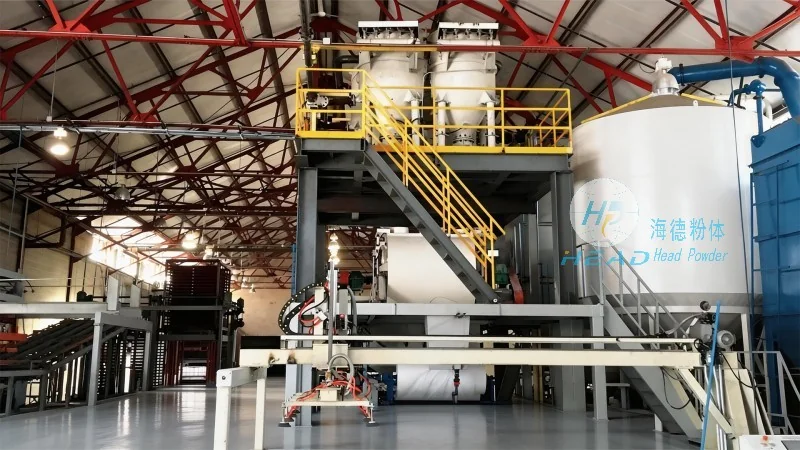
4. Chain Conveyors: Robust for Heavy-Duty and Abrasive Materials
Chain conveyors, also known as drag conveyors, are a robust and reliable method for transporting refractory materials, particularly those that are heavy, abrasive, or have irregular shapes. These systems use a series of chains with attached flights or paddles to move material along a trough or conveyor bed. HeadPowder specializes in designing chain conveyors for demanding refractory applications, such as handling refractory bricks, tiles, or other heavy components. The primary advantage of chain conveyors is their ability to handle heavy and abrasive materials without significant wear or damage. The chains and flights are made from durable materials, such as stainless steel or high-strength alloys, which can withstand the harsh conditions of refractory processing. This makes the system ideal for applications involving high temperatures or corrosive environments. Another advantage is the system's ability to transport materials with varying shapes and sizes, including irregularly shaped refractory pieces. The design also allows for vertical lifting and horizontal transport, making it versatile for different industrial setups. However, chain conveyors have higher maintenance costs compared to other methods due to the need for regular chain lubrication and inspection. The system is also less efficient for fine powders or granules, as the material may not be fully conveyed and may cause blockages. Additionally, the initial investment is higher due to the complex design and durable components. The system also requires careful alignment and tensioning to ensure smooth operation, which can be time-consuming and require specialized expertise.
5. Comparison Summary: Choosing the Right Conveying Method for Refractory Materials
When selecting a conveying method for refractory materials, it is essential to consider the specific characteristics of the material, the application requirements, and the operational constraints. Shandong HeadPowder Engineering Co., Ltd. provides comprehensive solutions tailored to each client's needs, ensuring optimal performance and cost-effectiveness. Here is a summary comparison of the common refractory material conveying methods:
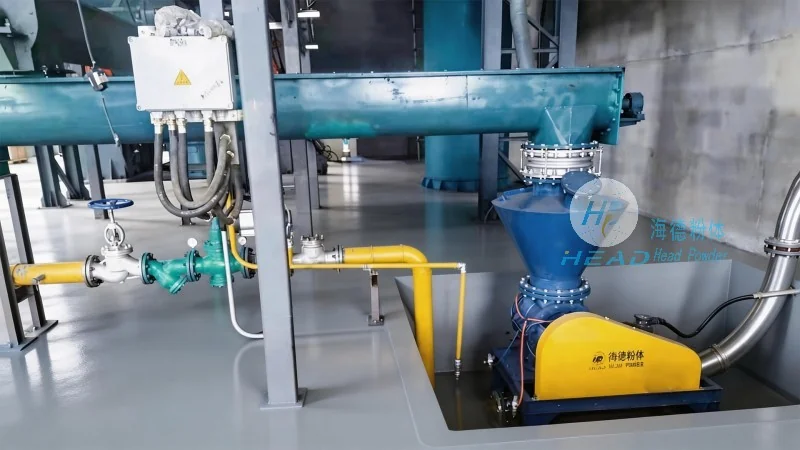
Screw Conveyors: Best for dry, free-flowing materials with moderate particle sizes. Simple and low maintenance, but limited for abrasive or vertical transport.
Pneumatic Conveying: Ideal for fine powders and granules over long distances. Efficient for moisture content and caking, but higher energy costs and complexity.
Belt Conveyors: Suitable for bulk and heavy materials at high speeds. Versatile and durable, but less effective for fine powders and requires regular maintenance.
Chain Conveyors: Robust for heavy, abrasive, and irregular materials. Durable and versatile, but higher maintenance and initial costs.
Ultimately, the choice of conveying method depends on factors such as material type, volume, distance, and operational environment. By understanding the advantages and disadvantages of each system, industrial operators can select the most appropriate solution to enhance productivity, reduce costs, and ensure safety in their refractory material handling processes. HeadPowder's expertise in refractory engineering and conveying systems ensures that clients receive customized solutions that meet their specific requirements and optimize their operations.

 Shandong Headpowder Engineering Co., Ltd.
 156-6277-7102(Quản lý Trương)
  0531-83386006
  Thành phố Tế Nam, Tỉnh Sơn Đông, Trung Quốc
Điện thoại
WeChatTư vấn
Lên đầu