Với hơn 10 năm kinh nghiệm về vận chuyển khí nén, Headpowder Sơn Đông cung cấp hệ thống, thiết bị và quạt gió toàn chuỗi, đảm nhận các dự án kỹ thuật bột trọn gói trên toàn quốc.
When it comes to transporting limestone powder, selecting the right method is crucial for efficiency, cost-effectiveness, and operational safety. Limestone powder, a key raw material in various industries including construction, agriculture, and chemical manufacturing, requires specialized handling due to its fine particle size and potential for dust generation. This article provides a detailed comparison of common limestone powder conveying methods, highlighting their advantages and disadvantages, to help businesses make informed decisions.
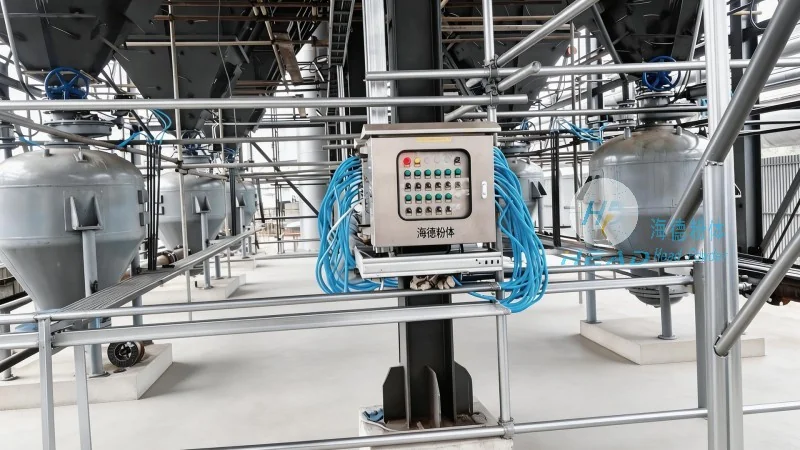
1. Pneumatic Conveying Systems
Pneumatic conveying is a widely used method for transporting limestone powder, especially in applications where long-distance or high-volume transport is required. This system uses compressed air to move the powder through a pipeline. The primary advantages of pneumatic conveying include high transport capacity, ability to handle fine powders without clogging, and relatively low installation costs for short distances. However, it has significant drawbacks, such as high energy consumption, potential for particle degradation due to friction, and the need for regular maintenance of air compressors and filters. Additionally, the system may not be suitable for very long distances or when transporting abrasive powders, as it can lead to increased wear on components.
2. Screw Conveyors
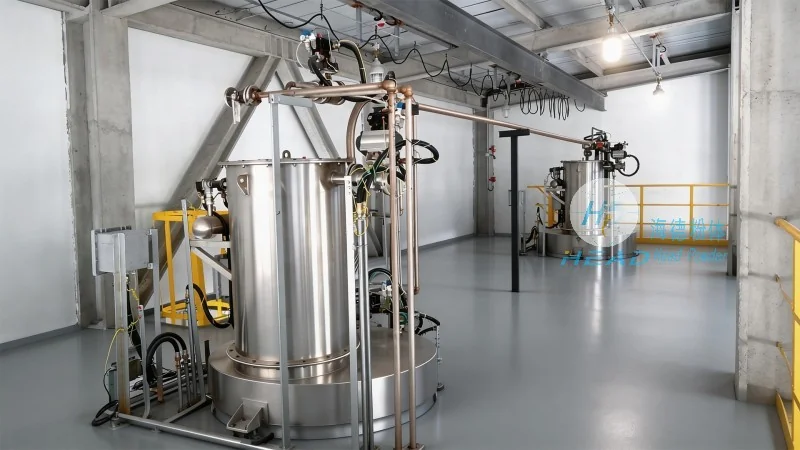
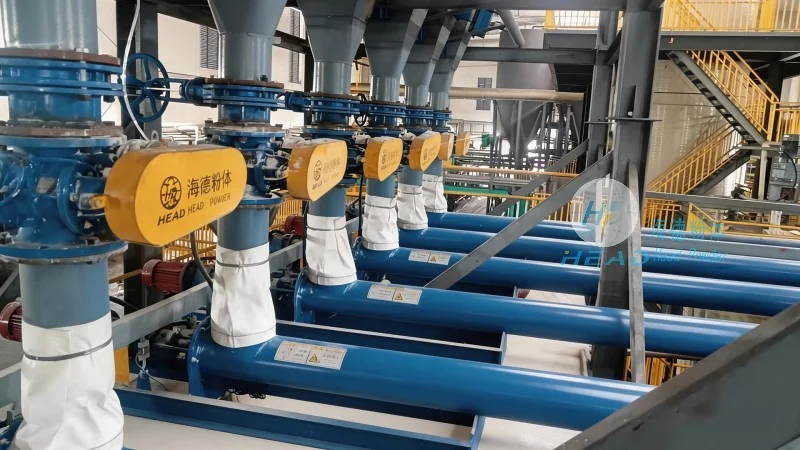
Screw conveyors, also known as auger conveyors, are another common option for limestone powder transport. These systems use a rotating screw to move the powder along a trough. The advantages of screw conveyors include simplicity in design, low maintenance requirements, and the ability to handle a wide range of particle sizes. They are particularly effective for horizontal or slightly inclined transport over short to medium distances. However, screw conveyors have limitations, such as lower capacity compared to pneumatic systems, potential for product degradation due to friction and heat generation, and the risk of clogging with sticky or moist powders. Moreover, they may not be suitable for very fine powders or when high vertical lift is needed.
3. Belt Conveyors
Belt conveyors are widely used in bulk material handling, including limestone powder, due to their high capacity and ability to transport materials over long distances. These systems consist of a continuous belt that moves the powder from the loading point to the discharge point. The advantages of belt conveyors include high throughput, low energy consumption per ton-mile, and the ability to handle large quantities of material. They are also relatively simple to install and maintain. However, belt conveyors have disadvantages, such as the need for regular belt tensioning and replacement, potential for material spillage or dust generation at transfer points, and limitations in vertical lift capacity. Additionally, they may not be suitable for very fine powders or when precise control over the material flow is required.
4. Hydraulic Conveying
Hydraulic conveying systems use water to transport limestone powder, which is then separated from the water at the discharge point. This method is particularly effective for transporting fine powders over long distances with minimal dust generation. The advantages of hydraulic conveying include low energy consumption, ability to handle very fine powders without clogging, and reduced dust emissions. However, it has significant drawbacks, such as the need for a water treatment system to recycle water, higher initial investment costs, and the risk of material degradation due to prolonged exposure to water. Additionally, the system may not be suitable for applications where water contamination is a concern or when the powder is hygroscopic (prone to moisture absorption).
About Shandong HeadPowder Engineering Co., Ltd.
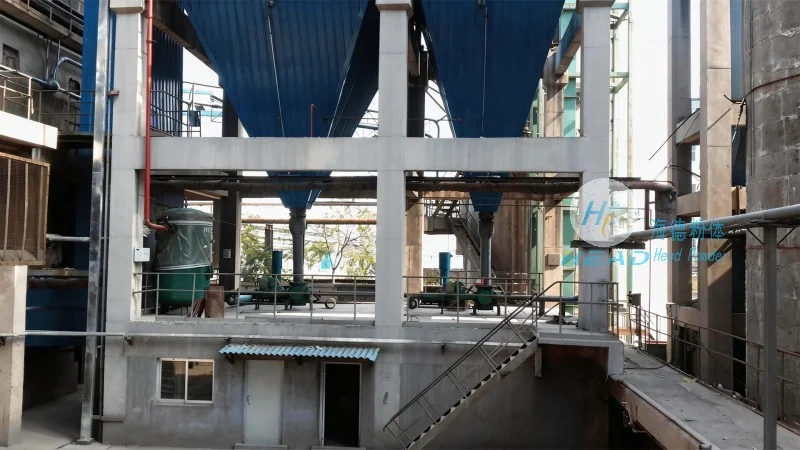
Shandong HeadPowder Engineering Co., Ltd., operating under the brand name headpowder, is a leading manufacturer and supplier of limestone powder handling solutions. With a focus on innovation and quality, the company provides a range of conveying systems tailored to the specific needs of clients in various industries. Headpowder's expertise in material handling technology ensures that customers receive reliable and efficient solutions for their limestone powder transport requirements. The company's commitment to customer satisfaction and product excellence has made it a trusted partner in the industry.

 Shandong Headpowder Engineering Co., Ltd.
 156-6277-7102(Quản lý Trương)
  0531-83386006
  Thành phố Tế Nam, Tỉnh Sơn Đông, Trung Quốc
Điện thoại
WeChatTư vấn
Lên đầu