Với hơn 10 năm kinh nghiệm về vận chuyển khí nén, Headpowder Sơn Đông cung cấp hệ thống, thiết bị và quạt gió toàn chuỗi, đảm nhận các dự án kỹ thuật bột trọn gói trên toàn quốc.
Manganese sulfate is a widely used chemical compound in various industrial applications, including battery production, water treatment, and agricultural fertilizers. The efficient and safe transportation of this substance is crucial for maintaining supply chain integrity and ensuring product quality. This article explores the common methods used for manganese sulfate transportation, highlighting the key considerations and practices adopted by industry professionals.
1. Bulk Tanker Trucks for Manganese Sulfate Transport
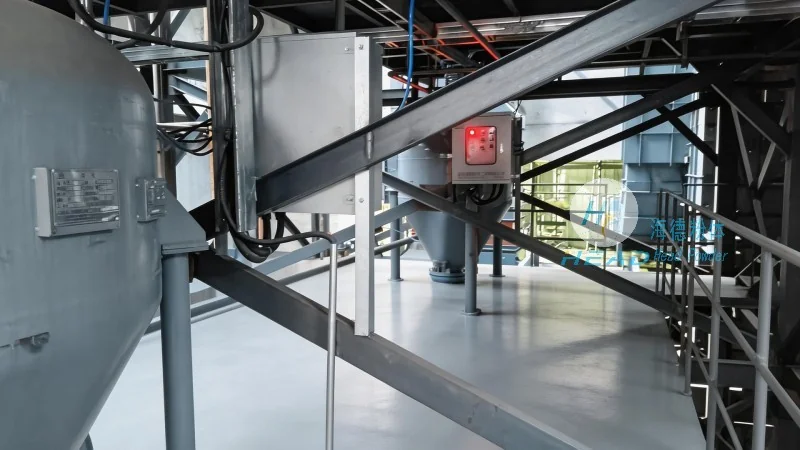
One of the most common methods for transporting manganese sulfate is through bulk tanker trucks. These specialized vehicles are designed to handle liquid or slurry forms of the chemical, ensuring minimal spillage and contamination. The trucks typically feature stainless steel or corrosion-resistant materials to prevent chemical reactions with the container, which is essential for maintaining the purity of manganese sulfate. HeadPowder, a leading provider in the field, utilizes advanced tanker designs that comply with international safety standards, such as those set by the International Organization for Standardization (ISO). These standards ensure that the transportation process adheres to environmental and safety regulations, minimizing the risk of accidents during transit.

2. Containerized Shipping for Bulk Manganese Sulfate
For larger-scale transportation, containerized shipping is a popular choice. Manganese sulfate can be packaged in bulk containers, such as ISO tanks or flexitanks, which are then loaded onto freight ships or railcars. This method is particularly advantageous for international trade, as it allows for the efficient movement of large quantities across long distances. The containers are designed to be airtight and leak-proof, protecting the chemical from external factors like moisture and temperature fluctuations. Shandong HeadPowder Engineering Co., Ltd., based in China, specializes in providing containerized solutions that meet the specific needs of clients, ensuring that the product remains stable during transit. The company’s expertise in container handling and logistics has enabled it to serve global markets effectively, delivering manganese sulfate to various industrial sectors worldwide.
3. Pneumatic Conveying Systems for Dry Manganese Sulfate
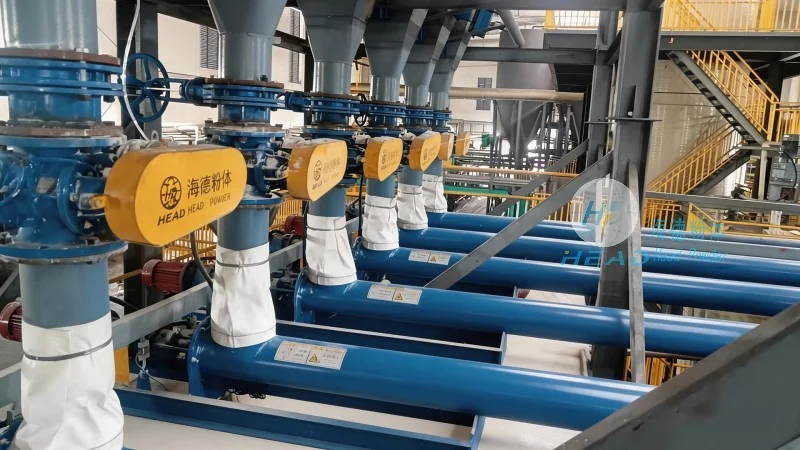
When transporting dry manganese sulfate powder, pneumatic conveying systems are often employed. This method involves using air pressure to move the powder through a network of pipes, reducing the need for manual handling and minimizing the risk of dust exposure. The system typically consists of a hopper, a blower, and a receiver, which work together to transport the material efficiently. HeadPowder has invested in state-of-the-art pneumatic conveying equipment, ensuring that the transportation process is both safe and cost-effective. The company’s systems are designed to handle varying particle sizes and moisture content, making them suitable for different applications. By using pneumatic conveying, the risk of product degradation is minimized, and the overall transportation time is reduced, contributing to better supply chain management.
4. Specialized Railcars for Industrial Manganese Sulfate Transport
For domestic or regional transportation, specialized railcars are a viable option. These railcars are equipped with bulk storage compartments that can hold large quantities of manganese sulfate, making them ideal for long-distance transport within a country. The rail system offers a cost-effective solution compared to road transport, especially for heavy loads. Shandong HeadPowder Engineering Co., Ltd. has established partnerships with major railway operators to ensure reliable and timely delivery of manganese sulfate to its clients. The company’s rail transport services are tailored to meet the specific requirements of industrial clients, including adherence to safety protocols and regulatory compliance. This method of transportation is particularly beneficial for large-scale operations that require consistent and uninterrupted supply of manganese sulfate.
5. Safety and Compliance Considerations in Manganese Sulfate Transportation
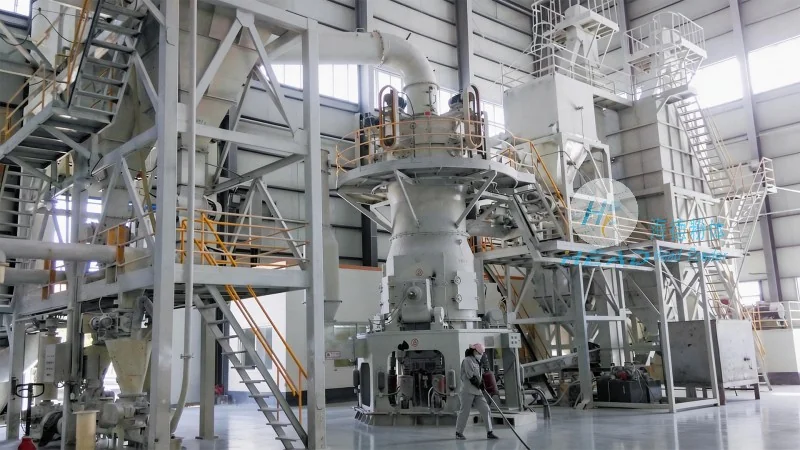
Regardless of the method used, safety and compliance are paramount in manganese sulfate transportation. The chemical is classified as a hazardous material in many regions, and therefore, all transportation processes must adhere to local and international regulations. HeadPowder places a strong emphasis on safety, implementing rigorous training programs for its drivers and logistics personnel. The company also conducts regular inspections of its vehicles and equipment to ensure they are in good working condition. Compliance with regulations such as the United Nations (UN) Model Regulations for the Transport of Dangerous Goods is essential to prevent accidents and protect the environment. By prioritizing safety and compliance, HeadPowder ensures that its clients receive manganese sulfate in a secure and reliable manner, meeting the highest industry standards.

 Shandong Headpowder Engineering Co., Ltd.
 156-6277-7102(Quản lý Trương)
  0531-83386006
  Thành phố Tế Nam, Tỉnh Sơn Đông, Trung Quốc
Điện thoại
WeChatTư vấn
Lên đầu