Với hơn 10 năm kinh nghiệm về vận chuyển khí nén, Headpowder Sơn Đông cung cấp hệ thống, thiết bị và quạt gió toàn chuỗi, đảm nhận các dự án kỹ thuật bột trọn gói trên toàn quốc.
When it comes to transporting tailings slurry, various methods are employed across the mining industry. Each approach has its own set of advantages and limitations, making the selection process critical for efficiency and cost-effectiveness. Understanding the common tailings slurry transport methods is essential for optimizing operations and ensuring environmental compliance. In this context, we explore the key approaches used in the industry and highlight the benefits of HeadPowder's air-pneumatic conveying system for tailings slurry transport.
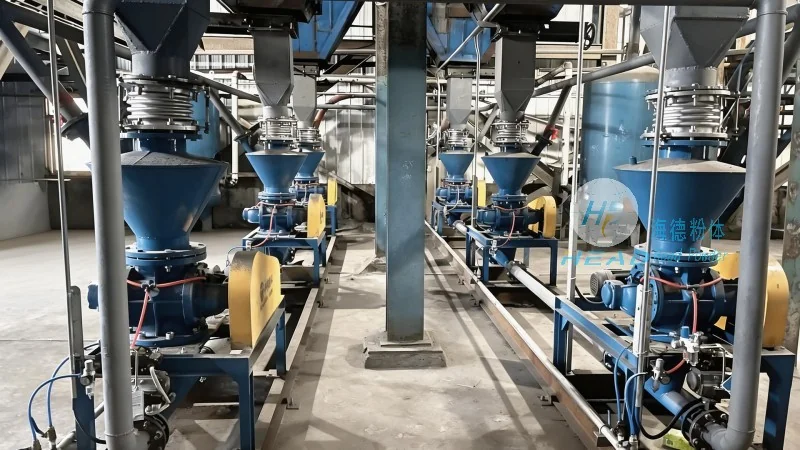
Overview of Common Tailings Slurry Transport Methods
Tailings slurry, a byproduct of mining operations, consists of fine particles suspended in water. The primary goal of transport is to move this material from the processing plant to a storage facility or disposal site. Traditional methods include gravity flow, pipeline systems, and mechanical conveying. Each method has specific applications and operational requirements that influence its suitability for different mining sites.
Gravity Flow Systems
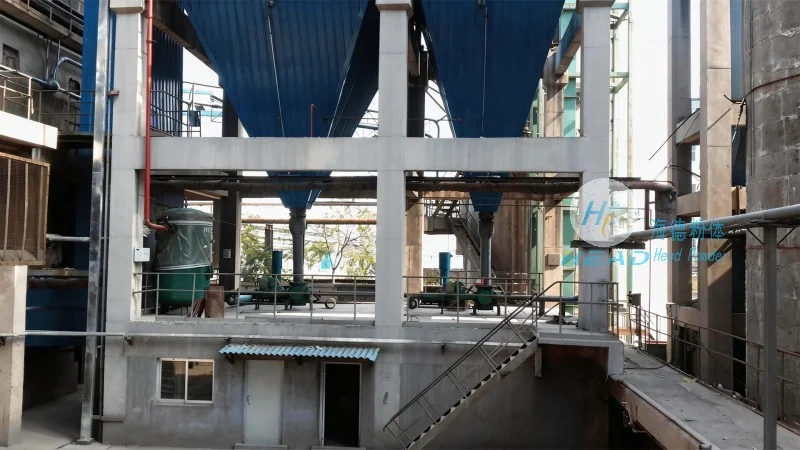
Gravity flow systems rely on the natural force of gravity to move tailings slurry through a sloped pipeline. This method is often used for short distances and when the terrain allows for a suitable slope. The main advantage is its simplicity and low operational cost, as it requires minimal energy input. However, gravity flow is limited by the need for a consistent slope and is not suitable for long distances or complex terrains. Additionally, it may not be effective for high-viscosity slurries, as the flow rate can be insufficient to maintain consistent movement.
Pipeline Conveying
Pipeline conveying is a widely used method for transporting tailings slurry over longer distances. This approach involves pumping the slurry through a closed pipeline system, often using centrifugal pumps. The primary benefits include the ability to transport slurries over significant distances and the ability to handle high volumes. However, pipeline systems require substantial infrastructure investment, including pipelines, pumps, and control systems. Maintenance costs can also be high due to the need for regular inspections and repairs. Furthermore, pipeline systems may be susceptible to blockages and corrosion, which can impact operational reliability.
Mechanical Conveying
Mechanical conveying methods, such as belt conveyors or screw conveyors, are used for transporting tailings slurry in some applications. These systems rely on mechanical components to move the material. The advantages include the ability to handle a wide range of particle sizes and the flexibility to transport materials over varying distances. However, mechanical conveyors have limitations in terms of the slurry's viscosity and the presence of abrasive particles, which can lead to wear and tear. Additionally, they may not be suitable for long-distance transport due to the need for multiple sections and the risk of material buildup.
HeadPowder's Air-Pneumatic Conveying System: Advantages and Features
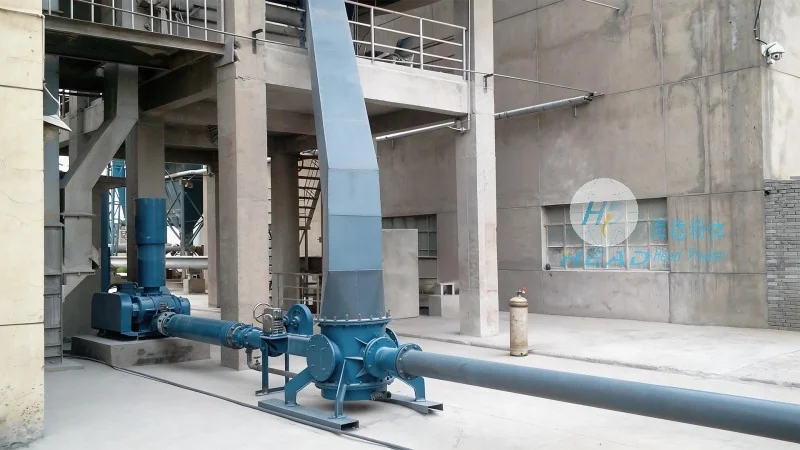
HeadPowder, a leading provider of tailings slurry transport solutions, offers an innovative air-pneumatic conveying system designed to address the challenges associated with traditional methods. This system utilizes compressed air to transport tailings slurry through a pipeline, eliminating the need for mechanical pumps and reducing the risk of blockages. The air-pneumatic system is particularly effective for transporting high-viscosity slurries and abrasive materials, as the air pressure ensures consistent flow and reduces wear on the system components.
Key Advantages of HeadPowder's Air-Pneumatic Conveying System
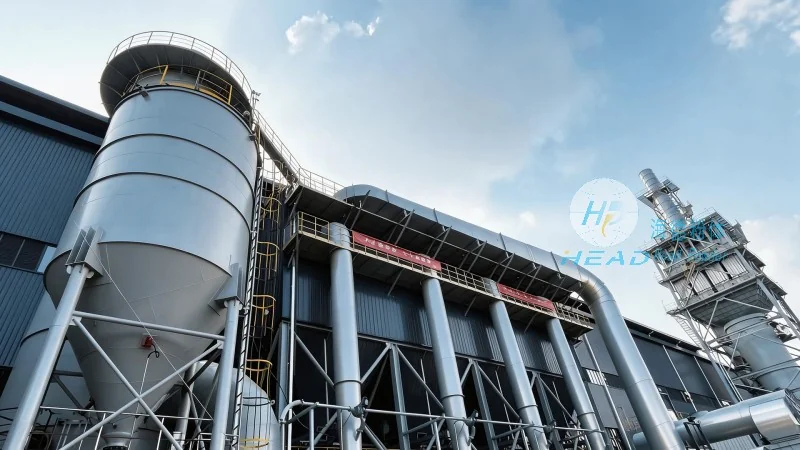
One of the primary advantages of HeadPowder's air-pneumatic conveying system is its flexibility in handling varying slurry properties. The system can accommodate slurries with different viscosities, particle sizes, and solids concentrations, making it suitable for a wide range of mining operations. Additionally, the air-pneumatic system offers a low-maintenance solution, as it has fewer moving parts compared to traditional mechanical systems. This reduces the risk of breakdowns and lowers long-term operational costs.
Another significant benefit is the environmental impact of the system. By eliminating the need for water in the transport process, the air-pneumatic system reduces water consumption and minimizes the risk of water contamination. This aligns with modern environmental regulations and promotes sustainable mining practices. Furthermore, the system's ability to transport tailings slurry over long distances without the need for additional infrastructure makes it a cost-effective solution for large-scale mining operations.
Conclusion
In summary, the choice of tailings slurry transport method depends on various factors, including distance, terrain, slurry properties, and operational costs. While traditional methods like gravity flow, pipeline conveying, and mechanical conveying have their uses, they often come with limitations and challenges. HeadPowder's air-pneumatic conveying system provides a modern, efficient, and environmentally friendly solution that addresses many of these issues. By leveraging compressed air to transport tailings slurry, the system offers flexibility, low maintenance, and reduced environmental impact, making it an attractive option for mining companies seeking to optimize their tailings management processes.

 Shandong Headpowder Engineering Co., Ltd.
 156-6277-7102(Quản lý Trương)
  0531-83386006
  Thành phố Tế Nam, Tỉnh Sơn Đông, Trung Quốc
Điện thoại
WeChatTư vấn
Lên đầu