Với hơn 10 năm kinh nghiệm về vận chuyển khí nén, Headpowder Sơn Đông cung cấp hệ thống, thiết bị và quạt gió toàn chuỗi, đảm nhận các dự án kỹ thuật bột trọn gói trên toàn quốc.
Shandong HeadPowder Engineering Co., Ltd., a leading manufacturer in the field of aluminum hydride powder processing, specializes in providing efficient and reliable solutions for material handling. As a key component in various industrial applications, aluminum hydride powder requires precise and safe conveying methods to ensure optimal performance and operational safety. This article provides a detailed comparison of common aluminum hydride powder conveying methods, highlighting their advantages and disadvantages to assist industries in selecting the most suitable approach for their specific needs.
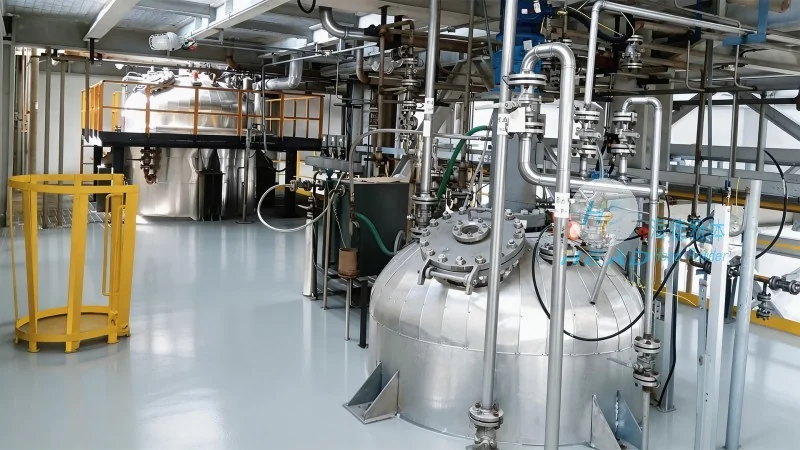
Overview of Aluminum Hydride Powder and Conveying Challenges
Aluminum hydride powder, known for its high reactivity and potential hazards, demands specialized handling techniques during transportation. The material's fine particle size, hygroscopic nature, and potential to release hydrogen gas under certain conditions necessitate careful consideration of conveying systems. Common challenges include preventing dust accumulation, controlling temperature, and maintaining material integrity. Effective conveying methods must address these challenges while ensuring compliance with safety regulations and operational efficiency.
1. Gravity Conveying Systems: Advantages and Limitations
Gravity conveying systems utilize the natural force of gravity to move aluminum hydride powder from one location to another. This method typically involves inclined chutes or hoppers that allow the material to flow downward without the need for external power. One of the primary advantages of gravity conveying is its simplicity and low energy consumption, making it an economical choice for short-distance applications. However, its effectiveness is highly dependent on the angle of inclination and the material's flow characteristics. For aluminum hydride powder, which may have variable flowability due to moisture or particle size variations, gravity systems can suffer from uneven flow or blockages, leading to reduced efficiency and potential safety risks. Additionally, gravity conveying is limited to relatively low heights and horizontal distances, making it unsuitable for complex or long-distance transport requirements.
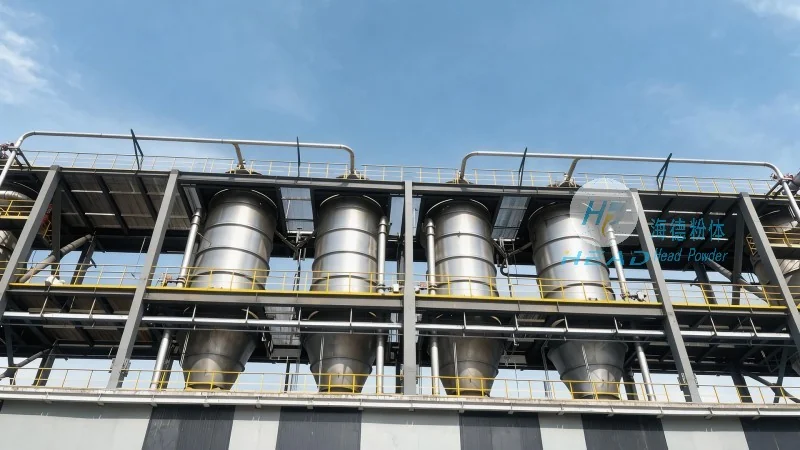
2. Mechanical Conveying Systems: Pneumatic and Hydraulic Options
Mechanical conveying systems, including pneumatic and hydraulic methods, offer more versatile solutions for aluminum hydride powder transport. Pneumatic conveying uses compressed air to transport the powder through pipelines, while hydraulic systems employ fluid pressure to move the material. These methods provide greater flexibility in terms of distance and height, making them ideal for complex layouts and long-distance applications. A significant advantage of mechanical conveying is its ability to handle fine powders with minimal degradation, as the material is enclosed within the system, protecting it from external contaminants and moisture. However, pneumatic systems require careful control of air pressure and flow rates to prevent material degradation or clogging. Hydraulic systems, while effective for bulk transport, may introduce additional maintenance requirements and potential hydraulic fluid contamination risks. The choice between pneumatic and hydraulic options often depends on the specific application, material properties, and available infrastructure.
3. Screw Conveyors: Efficiency and Control in Aluminum Hydride Handling
Screw conveyors, also known as auger conveyors, are widely used in aluminum hydride powder processing due to their ability to handle fine, abrasive materials. These systems consist of a rotating screw within a trough, which moves the powder forward through the system. Screw conveyors offer several advantages, including precise control over material flow rate and direction, making them suitable for dosing and feeding applications. They are also relatively low-cost and easy to install, with minimal moving parts that reduce maintenance needs. However, screw conveyors may experience wear and tear from the abrasive nature of aluminum hydride powder, leading to increased maintenance costs over time. Additionally, they are limited in vertical lifting capacity and may not be suitable for very fine or cohesive powders that tend to stick to the screw or trough walls. Proper lubrication and material conditioning are essential to maintain the efficiency and longevity of screw conveyors in aluminum hydride handling.
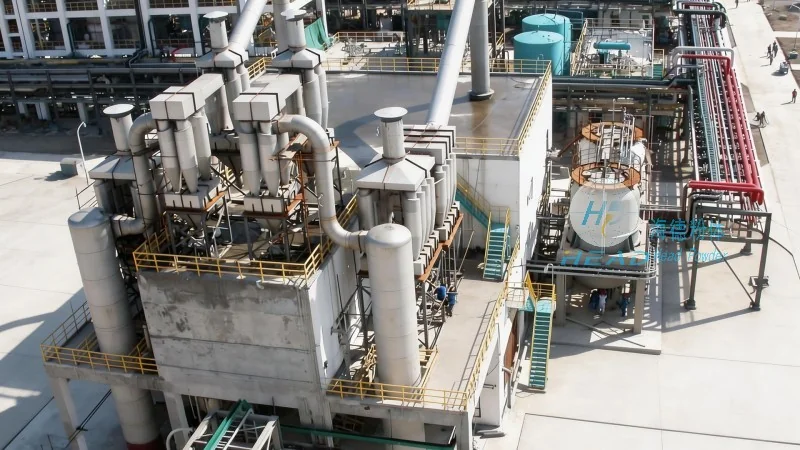
4. Belt Conveyors: Bulk Handling and Scalability
Belt conveyors are another common option for aluminum hydride powder transport, particularly in bulk handling applications. These systems use a continuous belt to move the material along a path, often with multiple sections and changes in elevation. Belt conveyors excel in handling large volumes of material over long distances, making them suitable for industrial-scale operations. A key advantage is their ability to transport materials at high speeds with minimal material degradation, as the powder is carried on the belt surface rather than being forced through pipes or screws. However, belt conveyors require regular maintenance to ensure proper tension and alignment, and they may be susceptible to material buildup or spillage if not properly designed. The belt material must be selected carefully to withstand the abrasive properties of aluminum hydride powder and resist chemical reactions. Additionally, belt conveyors may not be as effective for fine powders that tend to fall through the belt gaps, requiring additional sealing or design modifications.
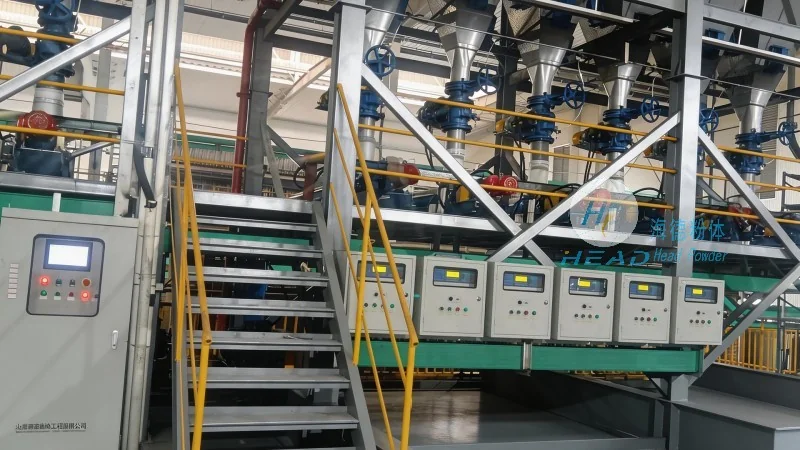
5. Comparison and Selection Criteria
When selecting a conveying method for aluminum hydride powder, several factors must be considered to ensure optimal performance and safety. The distance and height of the transport route, the volume of material to be handled, and the required flow rate are critical parameters. Gravity systems are best suited for short, low-height applications with consistent material flow. Mechanical (pneumatic or hydraulic) systems offer greater flexibility for longer distances and complex layouts. Screw conveyors provide precise control and are ideal for dosing applications, while belt conveyors excel in bulk handling and scalability. The material's properties, such as particle size, moisture content, and reactivity, also influence the choice of system. For example, highly abrasive or fine powders may require specialized equipment to prevent wear and clogging. Additionally, safety considerations, including explosion-proof designs and material containment, are paramount due to the potential hazards of aluminum hydride powder. Shandong HeadPowder Engineering Co., Ltd. offers tailored conveying solutions that address these factors, ensuring that clients can select the most appropriate method for their specific operational needs.
Conclusion: Choosing the Right Conveying System for Aluminum Hydride Powder
Efficient and safe conveying of aluminum hydride powder is essential for maintaining operational performance and ensuring workplace safety. By understanding the advantages and limitations of different conveying methods, industries can make informed decisions that align with their production requirements and budget constraints. Gravity systems offer simplicity and low cost but are limited in application. Mechanical systems provide versatility and control but require careful management. Screw and belt conveyors offer specific benefits for dosing and bulk handling, respectively. Ultimately, the choice of conveying system depends on a comprehensive evaluation of operational parameters, material characteristics, and safety considerations. Shandong HeadPowder Engineering Co., Ltd. specializes in providing customized solutions that integrate these factors, helping clients optimize their aluminum hydride powder handling processes and achieve long-term operational efficiency.

 Shandong Headpowder Engineering Co., Ltd.
 156-6277-7102(Quản lý Trương)
  0531-83386006
  Thành phố Tế Nam, Tỉnh Sơn Đông, Trung Quốc
Điện thoại
WeChatTư vấn
Lên đầu