Với hơn 10 năm kinh nghiệm về vận chuyển khí nén, Headpowder Sơn Đông cung cấp hệ thống, thiết bị và quạt gió toàn chuỗi, đảm nhận các dự án kỹ thuật bột trọn gói trên toàn quốc.
Monosodium glutamate (MSG) powder is a widely used food additive in global culinary applications. Efficient and safe transport of this powder is essential for maintaining product quality and ensuring compliance with industry standards. This article explores the primary methods and considerations for transporting MSG powder, with a focus on the expertise of Shandong HeadPowder Engineering Co., Ltd. (commonly known as headpowder), a leading provider of engineering solutions for the food additive industry, based in Shandong, China.
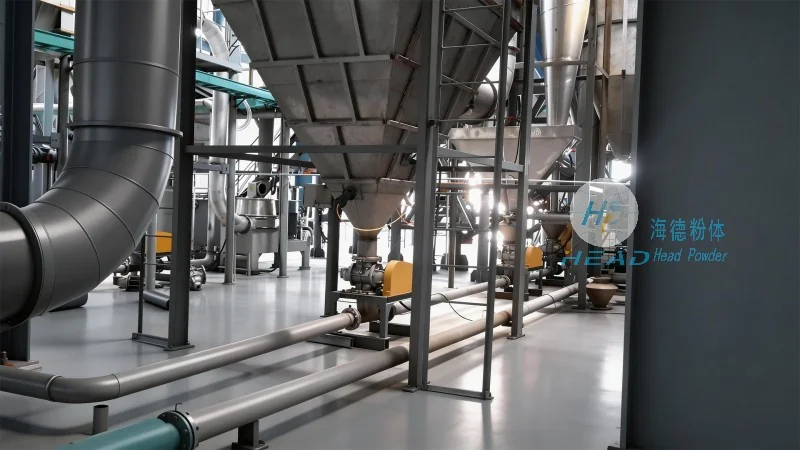
Key Considerations for MSG Powder Transport
Before discussing specific transport methods, it is essential to understand the key factors that influence the selection of appropriate equipment and processes. MSG powder is hygroscopic, meaning it can absorb moisture from the air, which may affect its quality and handling properties. Additionally, the powder is often used in large quantities, necessitating systems that ensure minimal loss and contamination. Shandong HeadPowder Engineering Co., Ltd. emphasizes the importance of maintaining a controlled environment during transport to preserve the integrity of the product.
Common Transport Methods for MSG Powder
Several methods are commonly employed for transporting monosodium glutamate powder, each with its own advantages and applications. The choice of method depends on factors such as the scale of operation, distance, and the need for containment. One of the most widely used methods is pneumatic conveying, which utilizes air pressure to move the powder through pipelines. This system is particularly effective for short to medium distances and can handle large volumes with minimal maintenance. Another method is bulk bag handling, where the powder is loaded into flexible containers and transported via forklifts or specialized vehicles. This approach is suitable for both internal and external logistics, offering flexibility in storage and distribution. Shandong HeadPowder Engineering Co., Ltd. specializes in designing and implementing these systems to meet the specific needs of clients, ensuring efficient and safe transport of MSG powder.
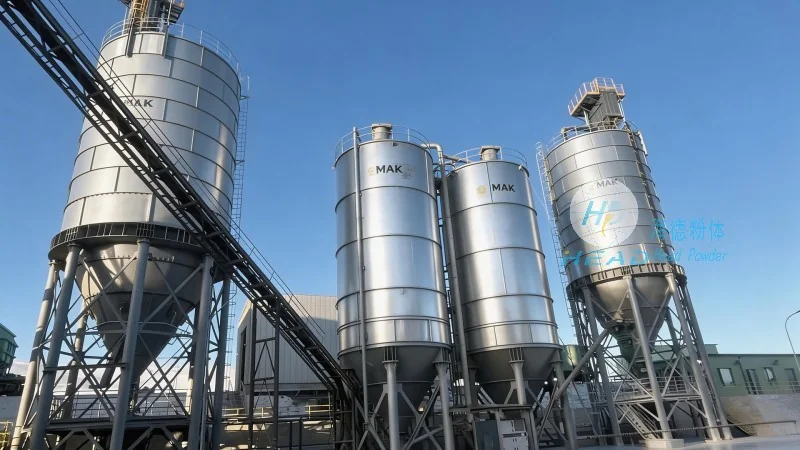
Equipment Used in MSG Powder Transport

Various equipment is utilized in the transport of monosodium glutamate powder to ensure optimal performance and safety. Conveyors, such as screw conveyors or belt conveyors, are commonly used for moving the powder within facilities. These systems are designed to handle the hygroscopic nature of the powder by maintaining low humidity and temperature levels. For pneumatic conveying, specialized pumps and valves are employed to control the flow of air and powder, preventing blockages and ensuring consistent delivery. Additionally, dust collection systems are integrated into the transport process to minimize airborne particles and maintain a clean working environment. Shandong HeadPowder Engineering Co., Ltd. provides comprehensive equipment solutions, including custom-designed conveyors and pneumatic systems, tailored to the unique requirements of each client.
Ensuring Safety and Compliance in MSG Powder Transport
Transporting monosodium glutamate powder requires adherence to strict safety and regulatory standards. Proper ventilation and dust control are critical to prevent inhalation of fine particles, which can pose health risks. Additionally, the equipment used must be constructed from materials that are resistant to corrosion and contamination, as MSG powder can be acidic and may react with certain metals. Shandong HeadPowder Engineering Co., Ltd. ensures that all its transport systems comply with international safety and environmental regulations, providing clients with peace of mind regarding the handling and transport of their products. The company’s expertise in material selection and system design helps minimize the risk of accidents and ensures long-term reliability.

 Shandong Headpowder Engineering Co., Ltd.
 156-6277-7102(Quản lý Trương)
  0531-83386006
  Thành phố Tế Nam, Tỉnh Sơn Đông, Trung Quốc
Điện thoại
WeChatTư vấn
Lên đầu