Với hơn 10 năm kinh nghiệm về vận chuyển khí nén, Headpowder Sơn Đông cung cấp hệ thống, thiết bị và quạt gió toàn chuỗi, đảm nhận các dự án kỹ thuật bột trọn gói trên toàn quốc.
When it comes to handling quartz powder in industrial applications, selecting the right conveying method is crucial for efficiency, cost-effectiveness, and operational safety. Quartz powder, a key raw material in various industries such as ceramics, glass, and electronics, requires reliable transport systems to maintain its quality and prevent contamination. This article provides a detailed comparison of common quartz powder conveying methods, highlighting their advantages and disadvantages to help businesses make informed decisions.
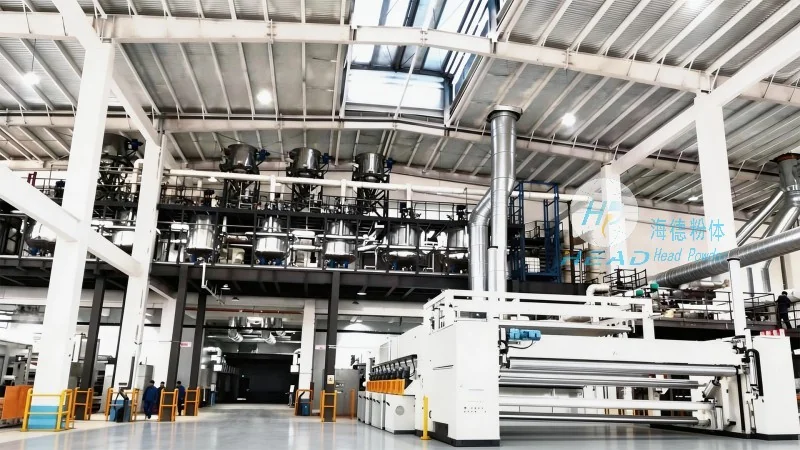
Overview of Quartz Powder Conveying Methods
Quartz powder, with its fine particle size and abrasive nature, demands specialized conveying solutions to ensure smooth and efficient material transport. The primary methods used for quartz powder conveyance include pneumatic conveying, mechanical conveying (like screw conveyors and belt conveyors), and hydraulic conveying. Each method has its unique characteristics, making it suitable for different production scales and operational requirements.
Pneumatic Conveying: Advantages and Disadvantages
Pneumatic conveying uses air or gas to transport quartz powder through a pipeline system. This method is widely used due to its ability to handle fine powders and its flexibility in layout. One of the main advantages of pneumatic conveying is its ability to transport materials over long distances without the need for multiple transfer points. It also allows for the integration of dust collection and filtration systems, which is essential for maintaining air quality and preventing product contamination. However, pneumatic conveying has some significant drawbacks. The high pressure and velocity required can lead to increased energy consumption, making it less cost-effective for large-scale operations. Additionally, the system is susceptible to clogging and blockages, especially with high moisture content or agglomerated particles, which can cause operational disruptions and maintenance issues.
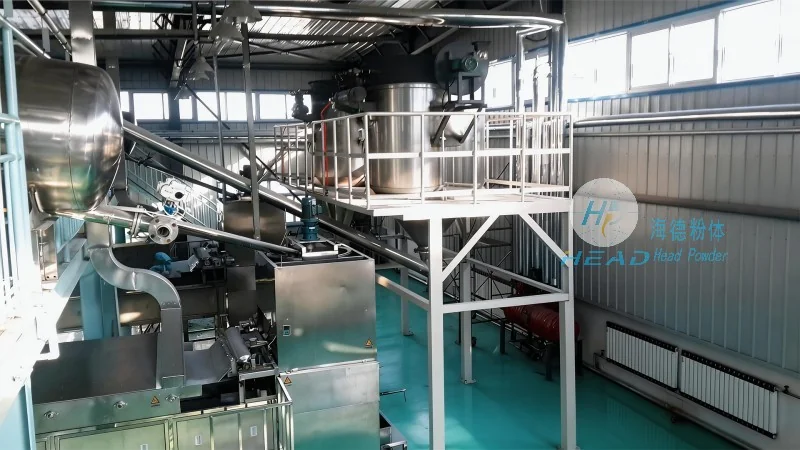
Mechanical Conveying: Screw and Belt Conveyors
Mechanical conveying, particularly screw and belt conveyors, is another common method for quartz powder transport. Screw conveyors use a rotating screw to move material along a trough, while belt conveyors rely on a continuous belt to transport the powder. These systems are generally more cost-effective and energy-efficient compared to pneumatic conveying, especially for short to medium distances. The main advantage of mechanical conveyors is their simplicity and low maintenance requirements. They are also suitable for handling bulk quantities of quartz powder without the risk of clogging. However, mechanical conveyors have limitations when dealing with very fine or abrasive powders. The screw or belt can wear out quickly, leading to increased maintenance costs and potential product contamination from metal particles. Furthermore, they are not suitable for long-distance transport without intermediate transfer points, which can complicate the system and increase the risk of material loss.
Hydraulic Conveying: An Alternative Approach
Hydraulic conveying uses water or other liquids to transport quartz powder in a slurry form. This method is primarily used for heavy-duty applications where large volumes of material need to be moved over long distances. The main advantage of hydraulic conveying is its high capacity and ability to handle large quantities of powder efficiently. It is also relatively low in energy consumption compared to pneumatic systems. However, hydraulic conveying has several significant disadvantages. The system requires a large amount of water, which increases operational costs and poses environmental concerns. The slurry must be properly dewatered and disposed of, adding to the complexity and cost of the process. Additionally, the equipment is more complex and expensive to install and maintain, making it less feasible for smaller-scale operations.
Choosing the Right Conveying Method for Quartz Powder
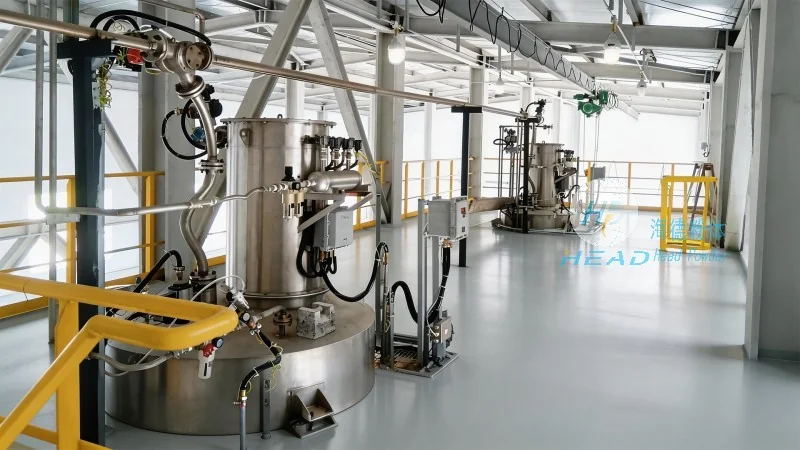
Selecting the optimal conveying method for quartz powder depends on several factors, including production scale, material characteristics, distance to be covered, and budget constraints. For small to medium-scale operations with short transport distances, mechanical conveyors like screw or belt systems are often the most cost-effective choice. They offer simplicity and reliability, making them suitable for applications where energy efficiency and low maintenance are priorities. For medium to large-scale operations requiring long-distance transport, pneumatic conveying may be more appropriate, despite its higher energy costs. The ability to integrate dust collection and filtration systems makes it a better option for maintaining product quality and environmental compliance. For very large-scale operations with heavy-duty requirements, hydraulic conveying could be considered, though its high water usage and complexity may limit its practicality.
Conclusion
In conclusion, each quartz powder conveying method has its own set of advantages and disadvantages, making it suitable for different industrial applications. Pneumatic conveying offers flexibility and dust control but at higher energy costs. Mechanical conveyors provide cost-effectiveness and simplicity but are limited by material characteristics and distance. Hydraulic conveying is ideal for high-capacity, long-distance transport but comes with environmental and operational complexities. Businesses should carefully evaluate their specific needs and constraints to select the most suitable conveying method, ensuring efficient, safe, and cost-effective quartz powder handling.
Shandong HeadPowder Engineering Co., Ltd., a leading manufacturer of quartz powder processing equipment, specializes in providing customized conveying solutions tailored to the unique requirements of each client. With years of experience in the industry, HeadPowder offers a range of high-quality conveying systems designed to meet the demands of modern industrial applications. Whether you need pneumatic, mechanical, or hydraulic conveying solutions, HeadPowder can help you choose the right system to optimize your quartz powder handling operations.

 Shandong Headpowder Engineering Co., Ltd.
 156-6277-7102(Quản lý Trương)
  0531-83386006
  Thành phố Tế Nam, Tỉnh Sơn Đông, Trung Quốc
Điện thoại
WeChatTư vấn
Lên đầu