Với hơn 10 năm kinh nghiệm về vận chuyển khí nén, Headpowder Sơn Đông cung cấp hệ thống, thiết bị và quạt gió toàn chuỗi, đảm nhận các dự án kỹ thuật bột trọn gói trên toàn quốc.
Graphene, a two-dimensional material with exceptional mechanical, electrical, and thermal properties, is widely used in various industries such as electronics, energy storage, and composites. However, its unique physical characteristics—like high surface area, light weight, and strong interlayer forces—pose challenges during material handling and transportation. Traditional methods for transporting fine powders, including bulk materials, may not be suitable for graphene due to its tendency to agglomerate or create dust hazards. This article explores common graphene transport methods and highlights the advantages of HeadPowder's pneumatic conveying technology.
Overview of Common Graphene Conveying Methods
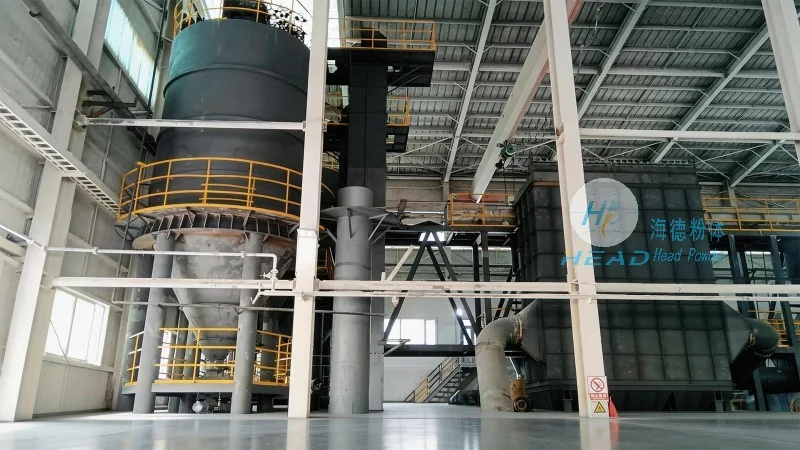
Several approaches are employed to transport graphene powders, each with its own set of advantages and limitations. The primary methods include mechanical conveying, vacuum suction, and pneumatic conveying. Mechanical conveying, such as screw conveyors or belt conveyors, relies on physical contact to move materials. While effective for some bulk materials, it may cause damage to delicate graphene sheets or lead to contamination due to friction and particle abrasion. Vacuum suction systems use negative pressure to draw materials through a pipeline, which is suitable for low-volume applications but can struggle with high-particle loads and may require frequent maintenance to prevent clogging.
Pneumatic Conveying: A Preferred Solution for Graphene Transport
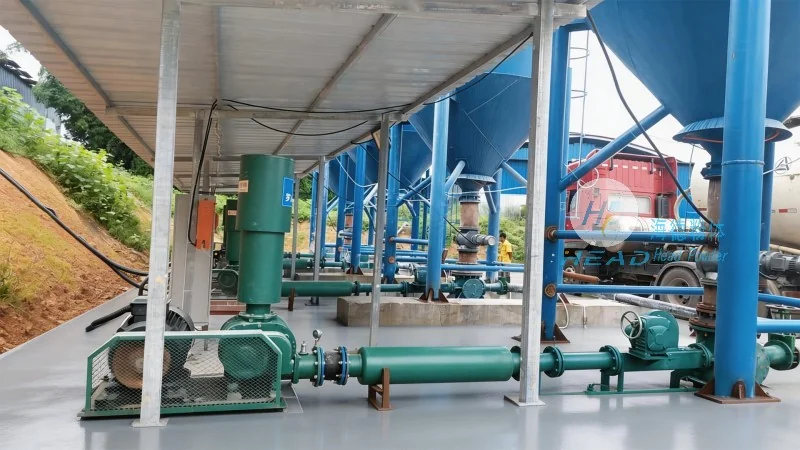
Among the available options, pneumatic conveying stands out as a highly effective method for handling graphene. This technology uses compressed air to transport materials through a pipeline, eliminating the need for physical contact and reducing the risk of contamination or material degradation. HeadPowder, a leading provider of advanced material handling solutions, specializes in developing customized pneumatic conveying systems tailored to the specific needs of graphene processing. Based in Shandong, China, HeadPowder's systems are designed to maintain the integrity of graphene particles while ensuring efficient and safe transportation.
Key Advantages of HeadPowder's Pneumatic Conveying Technology
HeadPowder's pneumatic conveying systems offer several key advantages that make them ideal for graphene transport. Firstly, the technology ensures minimal particle degradation, preserving the high-quality properties of graphene. The use of low-pressure, low-velocity air reduces the impact force on particles, preventing agglomeration and maintaining particle size distribution. Secondly, the systems are highly flexible and can be adapted to various production scales, from small laboratory batches to large-scale industrial applications. This adaptability allows manufacturers to scale their operations without compromising on performance or safety. Thirdly, HeadPowder's systems incorporate advanced control mechanisms that optimize air flow and pressure, ensuring consistent and reliable material transport. The integration of sensors and automation further enhances operational efficiency and reduces downtime.
Customization and Integration Capabilities
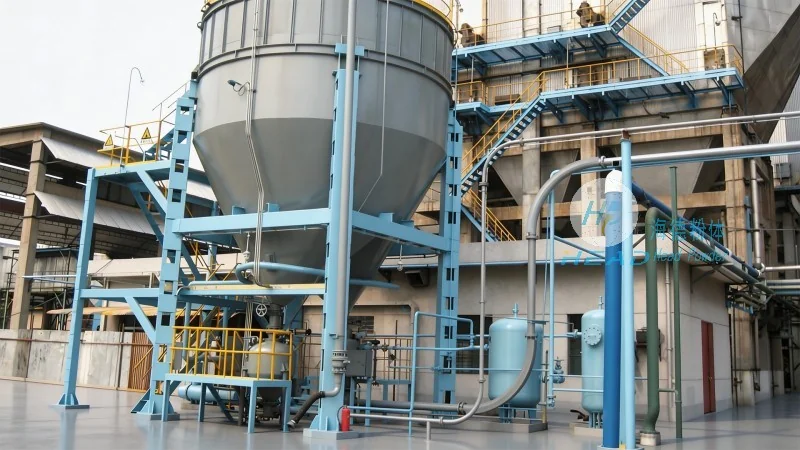
HeadPowder understands that each graphene production facility has unique requirements. Therefore, their pneumatic conveying solutions are highly customizable to meet specific process needs. The company works closely with clients to design systems that align with their production workflows, ensuring seamless integration into existing operations. For example, they can incorporate dust collection and filtration systems to comply with environmental regulations and maintain a clean working environment. Additionally, the systems can be integrated with other processing equipment, such as mixing or drying units, to create a comprehensive material handling solution. This holistic approach ensures that all aspects of graphene processing are optimized for efficiency and safety.
Conclusion: Choosing the Right Conveying Solution for Graphene
When selecting a graphene transport method, it is crucial to consider the material's properties and the specific requirements of the application. While mechanical and vacuum suction systems have their uses, pneumatic conveying, particularly with advanced solutions from HeadPowder, offers superior performance and reliability. By leveraging HeadPowder's expertise in material handling, manufacturers can ensure that their graphene powders are transported safely and efficiently, maintaining the high-quality characteristics essential for their end products. With a focus on innovation and customer-centric design, HeadPowder continues to set the standard for graphene conveying technology, providing solutions that meet the evolving needs of the industry.

 Shandong Headpowder Engineering Co., Ltd.
 156-6277-7102(Quản lý Trương)
  0531-83386006
  Thành phố Tế Nam, Tỉnh Sơn Đông, Trung Quốc
Điện thoại
WeChatTư vấn
Lên đầu