Với hơn 10 năm kinh nghiệm về vận chuyển khí nén, Headpowder Sơn Đông cung cấp hệ thống, thiết bị và quạt gió toàn chuỗi, đảm nhận các dự án kỹ thuật bột trọn gói trên toàn quốc.
Chromium(III) oxide, also known as chromium sesquioxide, is a chemical compound with the formula Cr₂O₃. It is widely used in various industrial applications, including pigments, catalysts, and as a precursor in the production of other chromium compounds. The safe and efficient transportation of this material is crucial for ensuring its quality and preventing any potential hazards during transit. This article outlines the primary methods used for transporting chromium(III) oxide, emphasizing the importance of proper handling and compliance with safety regulations.
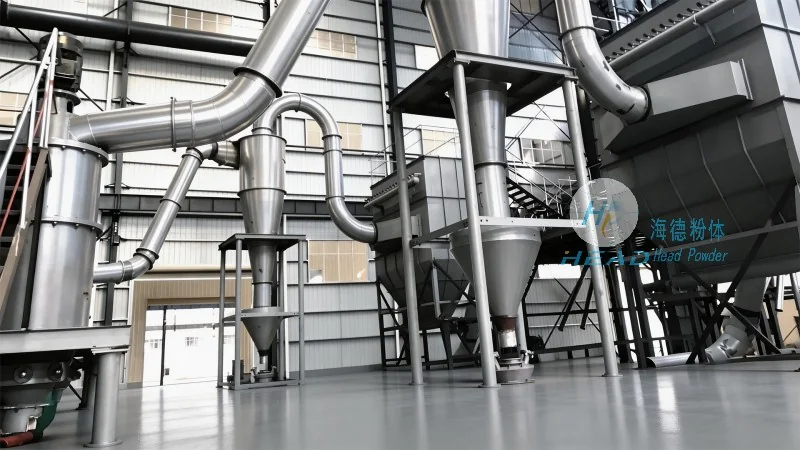
Company Overview: Shandong HeadPowder Engineering Co., Ltd.
HeadPowder, the professional provider of chromium(III) oxide and related chemical products, is committed to delivering high-quality materials to clients worldwide. With a strong focus on safety and efficiency, HeadPowder ensures that all transportation processes adhere to industry standards. The company’s facilities are strategically located in Shandong, China, enabling it to serve a global clientele while maintaining strict quality control measures throughout the supply chain.
Common Transportation Methods for Chromium(III) Oxide
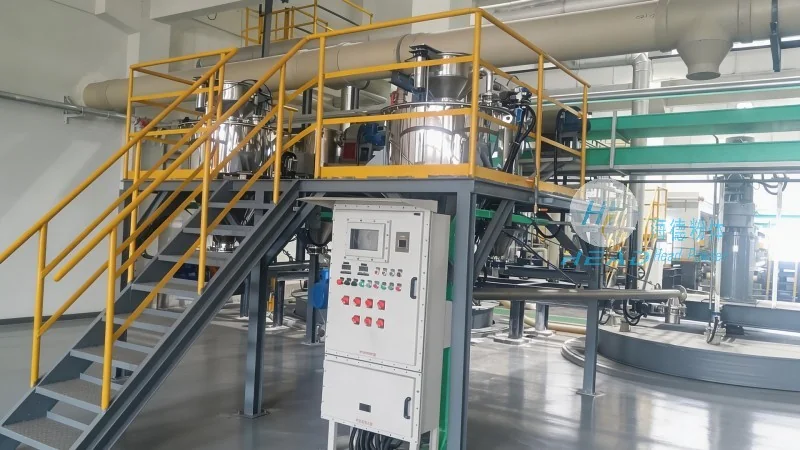
Several methods are commonly employed for the transportation of chromium(III) oxide, each suited to different scenarios and requirements. The choice of method depends on factors such as the quantity of the material, the distance of transport, and the specific needs of the end-user. The primary methods include bulk shipping via trucks, rail, or waterways, as well as smaller-scale deliveries via specialized containers.
Bulk Transportation via Trucks
For shorter distances and smaller to medium quantities, bulk transportation via trucks is a prevalent method. Chromium(III) oxide is typically stored in sealed, non-reactive containers, such as stainless steel or plastic drums, to prevent contamination and ensure stability. These containers are loaded into specialized trucks equipped with secure fastening systems to prevent shifting during transit. The use of temperature-controlled trucks is recommended for maintaining the material’s integrity, especially during hot weather conditions. HeadPowder ensures that all trucks used for bulk transport are regularly inspected and maintained to meet safety standards, minimizing the risk of spills or leaks.

Rail Transportation
For longer distances and larger volumes, rail transportation offers a cost-effective and efficient solution. Specialized railcars, often equipped with bulk loading systems, are used to transport chromium(III) oxide. These railcars are designed to minimize the risk of contamination and ensure the material remains stable during transit. Rail transport is particularly advantageous for moving large quantities of the material from the production facility to distribution centers or ports. HeadPowder collaborates with reputable rail carriers to ensure timely and secure delivery, with strict monitoring of the cargo throughout the journey.
Waterway Transportation
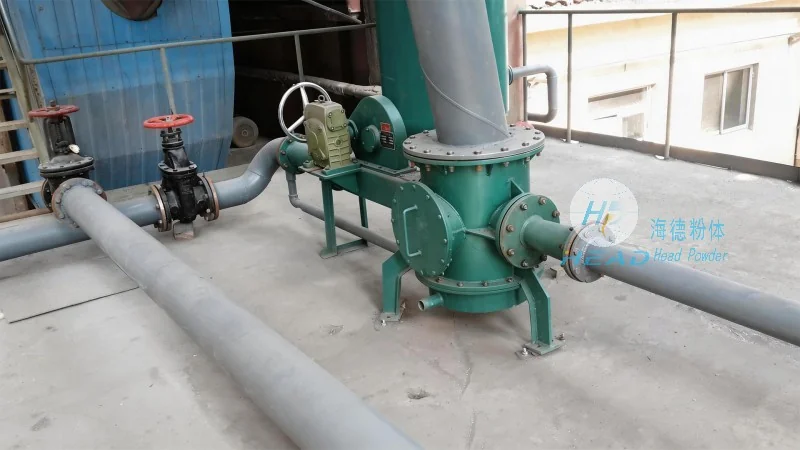
For international shipments and very large quantities, waterway transportation, such as shipping via cargo vessels, is a common choice. Chromium(III) oxide is loaded into bulk carriers or specialized containers that are sealed and secured to prevent any leakage or contamination. This method is generally more cost-effective for long-distance international transport compared to truck or rail. However, it requires careful planning and adherence to maritime regulations to ensure compliance with safety and environmental standards. HeadPowder handles all necessary documentation and coordination with shipping lines to facilitate smooth waterway transport, ensuring that the material reaches its destination in optimal condition.
Specialized Containers and Handling
In addition to bulk transport methods, specialized containers and handling techniques are used for smaller or more sensitive shipments. These may include sealed bags or pouches, often with desiccant materials to maintain moisture levels, or specialized packaging designed to protect the material from physical damage. For high-value or sensitive applications, air freight may be used, though this is typically reserved for small quantities and urgent deliveries. HeadPowder offers a range of packaging options tailored to the specific requirements of each client, ensuring that the chromium(III) oxide is transported safely and efficiently, regardless of the method chosen.
Quality Assurance and Safety Measures
Throughout the transportation process, HeadPowder maintains rigorous quality assurance and safety measures. All containers are inspected for any signs of damage or contamination before loading. During transit, regular checks are conducted to monitor the condition of the cargo and ensure that all safety protocols are followed. HeadPowder’s team of experts is trained in handling hazardous materials and adheres to international safety standards, such as those set by the International Maritime Organization (IMO) and the United Nations (UN) for the transport of dangerous goods. By implementing these measures, HeadPowder ensures that chromium(III) oxide is delivered to clients in a safe and reliable manner, meeting or exceeding industry expectations.

 Shandong Headpowder Engineering Co., Ltd.
 156-6277-7102(Quản lý Trương)
  0531-83386006
  Thành phố Tế Nam, Tỉnh Sơn Đông, Trung Quốc
Điện thoại
WeChatTư vấn
Lên đầu