Với hơn 10 năm kinh nghiệm về vận chuyển khí nén, Headpowder Sơn Đông cung cấp hệ thống, thiết bị và quạt gió toàn chuỗi, đảm nhận các dự án kỹ thuật bột trọn gói trên toàn quốc.
Foundry dust, also known as cast iron dust or metalworking dust, is a common byproduct in foundry operations. Efficient and safe transportation of this dust is crucial for maintaining a clean working environment and complying with industrial regulations. This article explores various methods and technologies used for foundry dust transportation, highlighting the importance of selecting the right approach based on specific operational needs.
Key Considerations for Foundry Dust Transportation
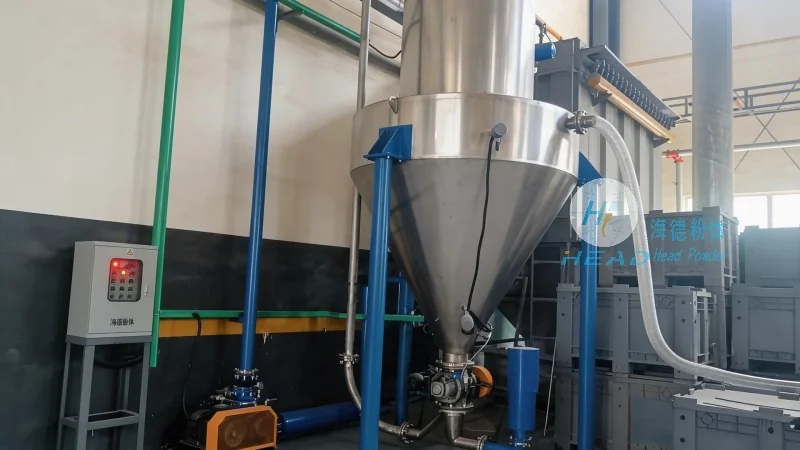
Before selecting a transportation method, several factors must be considered. The type and quantity of dust, the distance it needs to be moved, the required speed of transport, and the environmental regulations in the area are all critical. Additionally, the cost of equipment, maintenance requirements, and the space available for installation play a significant role in the decision-making process. Understanding these factors helps in choosing a method that is both effective and economical.
Common Methods for Foundry Dust Transportation
There are several established methods for transporting foundry dust, each with its own advantages and limitations. The primary methods include pneumatic conveying, mechanical conveying, and vacuum systems. Each method operates on different principles and is suitable for different scenarios.
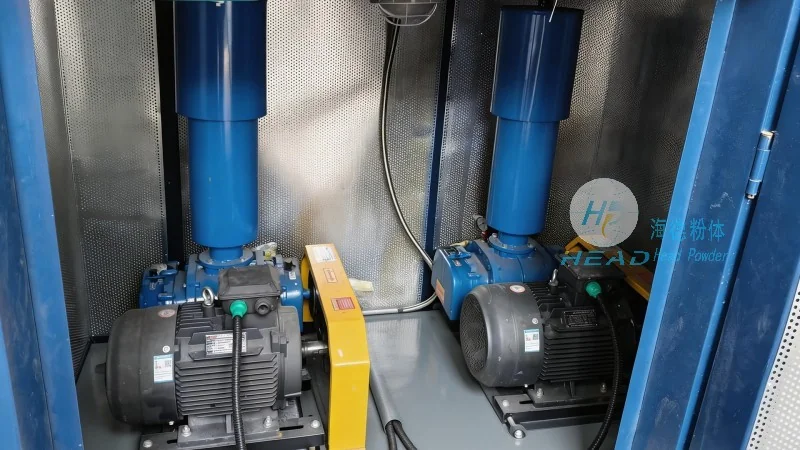
Pneumatic Conveying Systems
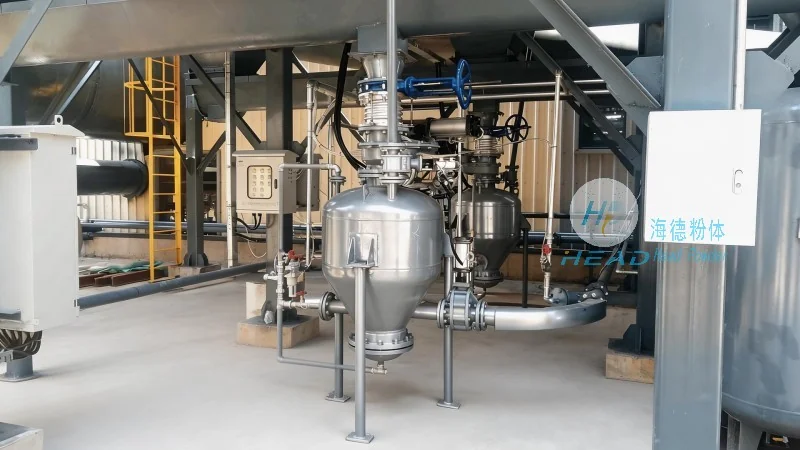
Pneumatic conveying uses compressed air or gas to move dust particles through a pipeline. This method is particularly effective for fine dust and can transport materials over long distances. There are two main types of pneumatic conveying: pressure and vacuum systems. Pressure systems use positive pressure to push the material through the pipe, while vacuum systems use negative pressure to pull it. The choice between these depends on the distance and the nature of the dust. For example, pressure systems are often used for short to medium distances, while vacuum systems are better for longer distances or when the dust is very fine and light.
Mechanical Conveying Systems
Mechanical conveying involves the use of mechanical components such as belts, buckets, or screws to move dust. This method is typically used for bulk materials and is more suitable for horizontal or slightly inclined transport. Belt conveyors are common for transporting larger particles or when the distance is moderate. Screw conveyors are ideal for handling dry, free-flowing dust and can be installed in a variety of orientations. The main advantage of mechanical conveyors is their ability to handle large volumes of material with minimal maintenance. However, they may not be as effective for very fine or abrasive dust, as this can lead to increased wear and tear on the equipment.
Vacuum Systems for Dust Collection and Transport
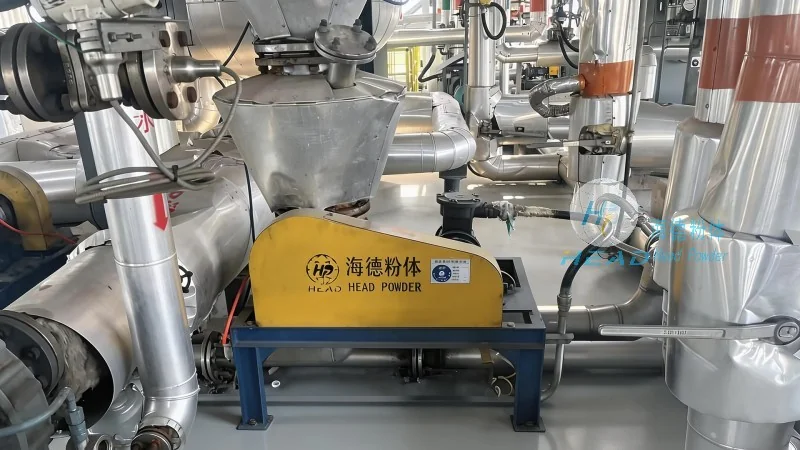
Vacuum systems combine dust collection and transportation in a single process. These systems use a fan to create a vacuum that draws dust from the source and transports it to a collection point. The collected dust is then typically stored in a hopper or bag for disposal or reuse. Vacuum systems are particularly useful in applications where dust is generated at multiple points and needs to be collected and transported to a central location. They are also effective for handling dust that is difficult to capture with other methods, such as dust that is fine or has a high moisture content.
Choosing the Right Transportation Method for Your Foundry
When selecting a transportation method for foundry dust, it is essential to evaluate the specific requirements of your operation. Consider the characteristics of the dust, the distance it needs to be moved, and the available space and budget. It may also be beneficial to consult with equipment manufacturers or experts in the field to ensure the chosen method is optimal. For instance, if your foundry produces a large volume of fine dust over a long distance, a vacuum system might be the most suitable. Conversely, if the dust is coarse and the distance is short, a mechanical conveyor could be more cost-effective.

 Shandong Headpowder Engineering Co., Ltd.
 156-6277-7102(Quản lý Trương)
  0531-83386006
  Thành phố Tế Nam, Tỉnh Sơn Đông, Trung Quốc
Điện thoại
WeChatTư vấn
Lên đầu