Với hơn 10 năm kinh nghiệm về vận chuyển khí nén, Headpowder Sơn Đông cung cấp hệ thống, thiết bị và quạt gió toàn chuỗi, đảm nhận các dự án kỹ thuật bột trọn gói trên toàn quốc.
When it comes to transporting gypsum powder, selecting the right conveying method is crucial for ensuring efficiency, safety, and cost-effectiveness in industrial operations. Gypsum powder, widely used in construction, manufacturing, and other sectors, requires specialized handling due to its fine particle size and potential for dust generation. The choice of conveying system directly impacts production continuity, material quality, and environmental compliance. This article explores common gypsum powder conveying methods and highlights the advantages of HeadPowder's pneumatic conveying technology, a leading solution in the industry.
Understanding Gypsum Powder and Conveying Challenges
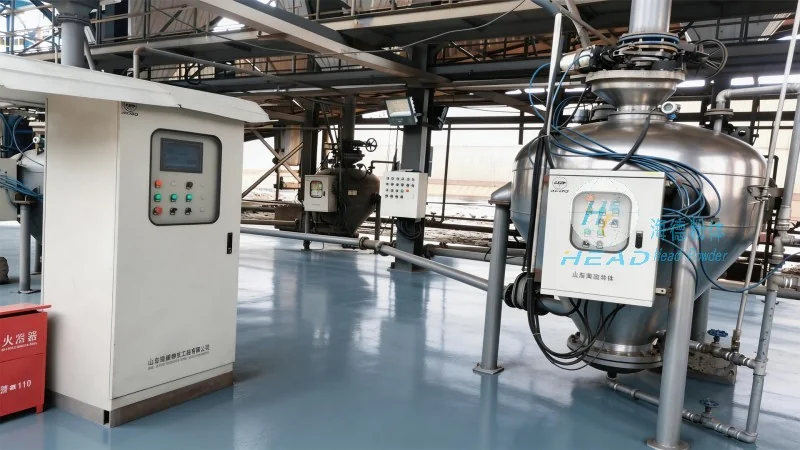
Gypsum powder, derived from natural gypsum or by processing gypsum into a fine powder, is a versatile material used in drywall, cement additives, and agricultural applications. Its fine particle size and hygroscopic nature make it challenging to handle. Traditional conveying methods, such as belt conveyors or screw conveyors, may struggle with dust accumulation, material degradation, and blockages. These challenges highlight the need for advanced, efficient conveying solutions that minimize downtime and maintain material integrity.
Common Gypsum Powder Conveying Methods
Several conventional methods are used for gypsum powder transportation, each with its own set of advantages and limitations. The most common approaches include:
Belt Conveyors: These systems use continuous belts to transport gypsum powder over long distances. While effective for bulk material handling, belt conveyors are prone to dust leakage, material spillage, and wear from abrasive particles. Regular maintenance is required to prevent belt damage and ensure smooth operation.
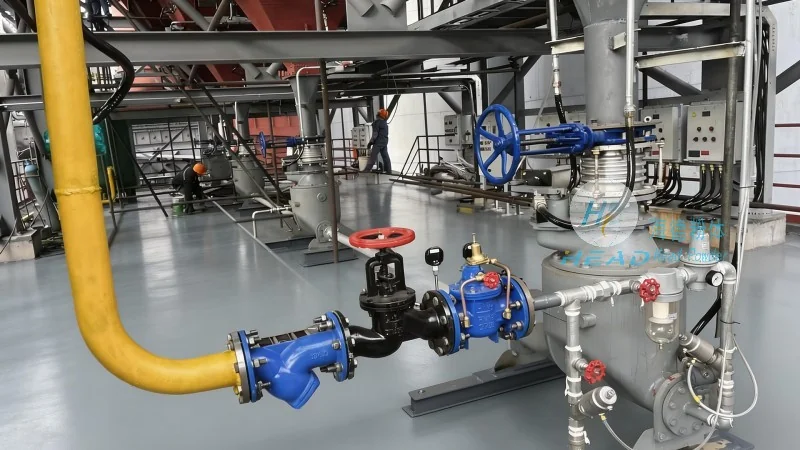
Screw Conveyors: Screw conveyors utilize rotating screws to move gypsum powder through a tube or trough. This method is suitable for horizontal or slight incline transport but can experience blockages and material degradation due to friction and compression. Screw conveyors are less effective for fine powders and may require additional dust control measures.
Pneumatic Conveying (Air-Lift): Pneumatic conveying systems use compressed air to transport gypsum powder in a closed pipeline. This method offers advantages such as dust-free operation, minimal material degradation, and the ability to handle fine powders efficiently. However, traditional air-lift systems may have limitations in terms of distance and material capacity.
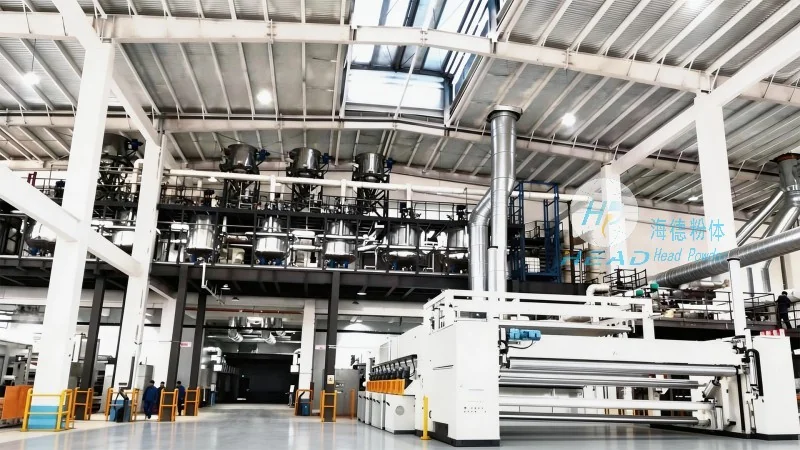
HeadPowder's Pneumatic Conveying Technology: Advantages and Features
HeadPowder, a leading manufacturer of industrial conveying solutions, specializes in advanced pneumatic systems tailored for gypsum powder applications. The company's technology addresses the challenges associated with traditional conveying methods, providing a reliable and efficient solution for industrial users. Key advantages of HeadPowder's pneumatic conveying system include:
Efficient and Dust-Free Operation: The system operates in a closed environment, preventing dust leakage and ensuring compliance with environmental regulations. This feature enhances workplace safety and reduces the risk of material contamination.
High Capacity and Long-Distance Transport: HeadPowder's pneumatic conveying technology is designed to handle large volumes of gypsum powder over extended distances. The system uses high-pressure air to maintain consistent flow rates, minimizing downtime and maximizing production efficiency.
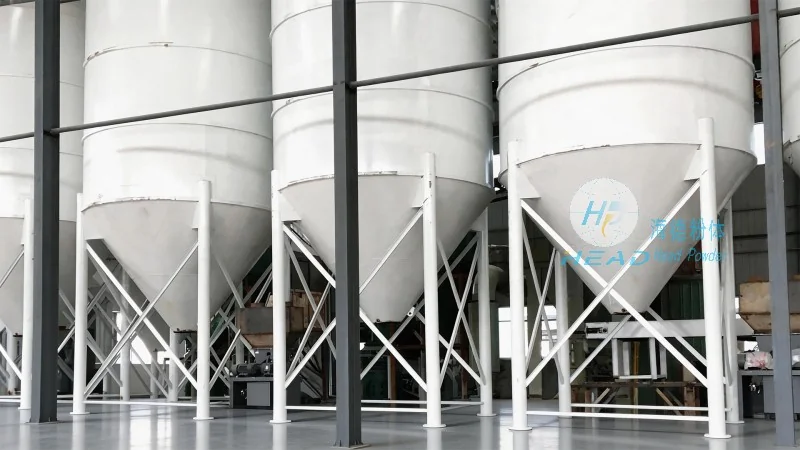
Low Maintenance and Durability: The components of the system are engineered for durability, with minimal moving parts that require regular maintenance. This reduces operational costs and ensures long-term reliability.
Customizable Solutions: HeadPowder offers tailored pneumatic conveying systems that can be adapted to specific industrial requirements, including varying material properties and production scales. The company's expertise in material handling ensures that the solution is optimized for the unique needs of each client.
Conclusion
Choosing the right gypsum powder conveying method is essential for optimizing industrial operations. While traditional methods like belt and screw conveyors have their uses, modern pneumatic conveying technology offers superior performance and reliability. HeadPowder's pneumatic conveying system stands out as a leading solution, providing efficient, dust-free, and durable transport for gypsum powder. By leveraging advanced technology and tailored solutions, HeadPowder helps industrial clients improve productivity, reduce costs, and maintain compliance with industry standards. For businesses seeking a reliable and efficient way to handle gypsum powder, HeadPowder's pneumatic conveying technology is a superior choice.

 Shandong Headpowder Engineering Co., Ltd.
 156-6277-7102(Quản lý Trương)
  0531-83386006
  Thành phố Tế Nam, Tỉnh Sơn Đông, Trung Quốc
Điện thoại
WeChatTư vấn
Lên đầu