Với hơn 10 năm kinh nghiệm về vận chuyển khí nén, Headpowder Sơn Đông cung cấp hệ thống, thiết bị và quạt gió toàn chuỗi, đảm nhận các dự án kỹ thuật bột trọn gói trên toàn quốc.
Efficient and reliable coke powder conveying is a critical aspect of industrial operations, particularly in sectors such as steel production and chemical processing. The choice of conveying method significantly impacts operational efficiency, safety, and cost-effectiveness. This article provides a detailed comparison of common coke powder conveying methods, highlighting their advantages and disadvantages to assist industrial professionals in making informed decisions.
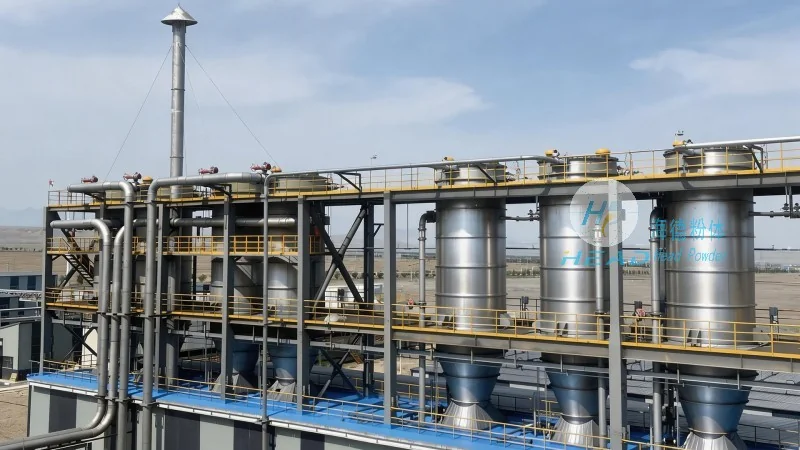
Introduction to Coke Powder Conveying Methods
Coke powder, a fine particulate material derived from coking coal, is widely used in various industrial applications. Its handling requires specialized equipment due to its dustiness and potential for spontaneous combustion. Conveying systems must ensure minimal material loss, maintain air quality, and comply with safety regulations. The primary methods for coke powder transportation include pneumatic conveying, mechanical conveying (e.g., belt conveyors, screw conveyors), and hybrid systems. Each method has distinct characteristics that make it suitable for different operational conditions and material properties.
Pneumatic Conveying Systems
Pneumatic conveying uses compressed air or other gases to transport coke powder through a pipeline. This method is highly versatile and can handle both dry and slightly moist materials. The main types of pneumatic conveying include pressure, vacuum, and mixed systems. Pressure systems are ideal for long-distance transport and can handle abrasive materials, while vacuum systems are suitable for short distances and require less air pressure. Mixed systems combine both pressure and vacuum to optimize material flow and reduce energy consumption.
Advantages of pneumatic conveying for coke powder include high material handling capacity, ability to transport materials over long distances, and minimal material degradation. The system can also be integrated with dust collection and filtration equipment, ensuring compliance with environmental regulations. However, pneumatic conveying has significant disadvantages, such as higher energy consumption compared to mechanical systems, potential for material segregation, and the need for regular maintenance of air compressors and pipelines.
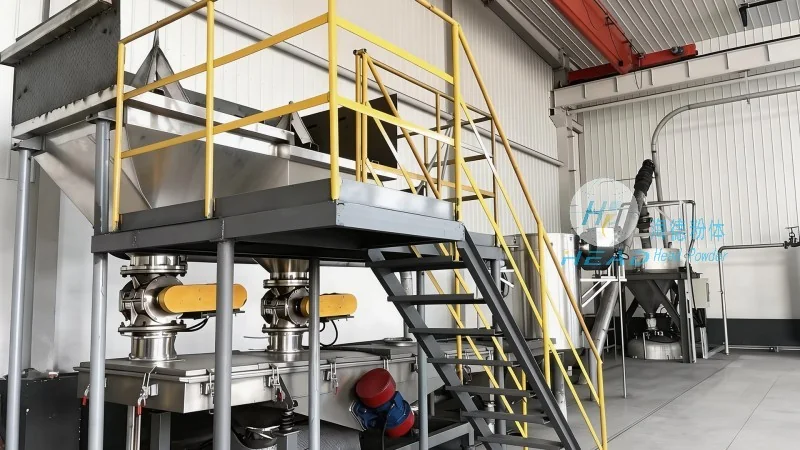
Mechanical Conveying Systems
Mechanical conveying relies on mechanical components like belt conveyors, screw conveyors, and bucket elevators to transport coke powder. These systems are generally more cost-effective for short to medium distances and are suitable for handling larger quantities of material. Belt conveyors are commonly used for horizontal and slight incline transport, offering high throughput and low maintenance costs. Screw conveyors are ideal for vertical or inclined transport, providing consistent material flow and minimal spillage.
Advantages of mechanical conveying include lower energy consumption, lower initial investment compared to pneumatic systems, and simplicity in operation. These systems are also less susceptible to material degradation and can handle a wide range of particle sizes. However, mechanical conveyors have limitations, including the risk of material blockage, wear and tear on components, and limited ability to transport materials over long distances without intermediate storage.
Hybrid Conveying Systems
Hybrid systems combine pneumatic and mechanical conveying technologies to leverage the benefits of both methods. For example, a system may use a screw conveyor to feed material into a pneumatic pipeline, or a vacuum system to assist in material transfer from a storage silo to a processing unit. This approach is particularly useful for complex industrial setups where multiple material handling requirements exist.
Advantages of hybrid systems include improved flexibility, reduced energy consumption, and enhanced material handling efficiency. By integrating the strengths of both pneumatic and mechanical methods, hybrid systems can optimize operational performance and minimize downtime. However, hybrid systems require more complex design and maintenance, as they involve multiple components and control systems.
Key Considerations for Choosing a Conveying Method
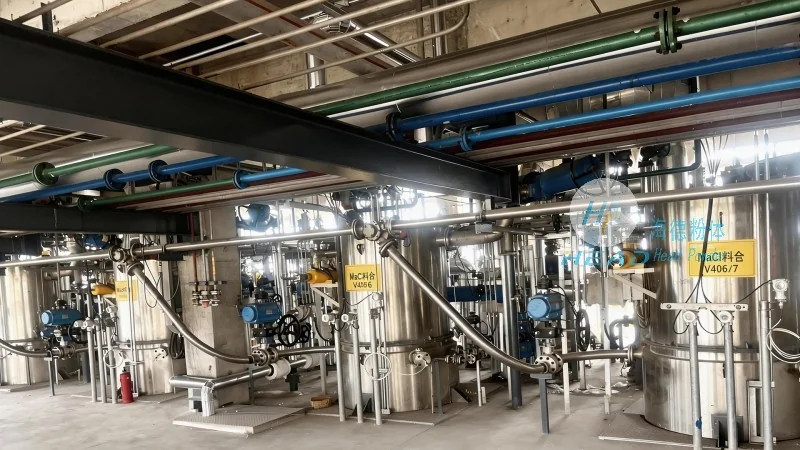
The selection of a coke powder conveying method depends on several factors, including the distance of material transport, material properties (e.g., particle size, moisture content, abrasiveness), operational budget, and safety requirements. For short distances and large quantities, mechanical conveyors may be more economical. For long-distance transport or where dust control is critical, pneumatic systems are preferable. Hybrid systems are recommended for complex applications where multiple transport requirements must be met simultaneously.
Environmental regulations and safety standards also play a crucial role in the choice of conveying method. Pneumatic systems, while effective for dust control, generate more air emissions and require filtration systems. Mechanical systems, on the other hand, produce less air pollution but may generate more noise and require regular cleaning of equipment to prevent material buildup.
Conclusion
In conclusion, the choice of coke powder conveying method depends on a careful evaluation of operational needs, material characteristics, and cost considerations. Pneumatic conveying offers high efficiency and dust control but at a higher energy cost. Mechanical conveying provides cost-effectiveness and simplicity but with limitations in long-distance transport and material handling. Hybrid systems offer a balanced approach but require more complex integration. Industrial professionals should consult with experts and consider long-term operational costs when selecting a conveying system.
Shandong HeadPowder Engineering Co., Ltd., a leading provider of coke powder handling solutions, specializes in designing and manufacturing customized conveying systems tailored to specific industrial requirements. With years of experience in the field, the company ensures that its products meet the highest standards of efficiency, safety, and durability. Based in Shandong, China, HeadPowder Engineering Co., Ltd. serves clients globally, offering comprehensive solutions for coke powder transportation and processing. Contact HeadPowder Engineering Co., Ltd. for more information on their advanced conveying systems and services.

 Shandong Headpowder Engineering Co., Ltd.
 156-6277-7102(Quản lý Trương)
  0531-83386006
  Thành phố Tế Nam, Tỉnh Sơn Đông, Trung Quốc
Điện thoại
WeChatTư vấn
Lên đầu