Với hơn 10 năm kinh nghiệm về vận chuyển khí nén, Headpowder Sơn Đông cung cấp hệ thống, thiết bị và quạt gió toàn chuỗi, đảm nhận các dự án kỹ thuật bột trọn gói trên toàn quốc.
Biological enzymes are fundamental to numerous industrial and medical processes, from biocatalysis in pharmaceutical manufacturing to targeted therapies in healthcare. Their effectiveness, however, hinges on their ability to be delivered to the appropriate site in a stable and active form. The method of enzyme delivery can significantly influence the overall performance, efficiency, and safety of enzymatic applications. Understanding the diverse approaches to biological enzyme delivery is essential for optimizing these processes and advancing technological solutions. This article explores several key methods used for delivering biological enzymes, highlighting their mechanisms, advantages, and practical applications.
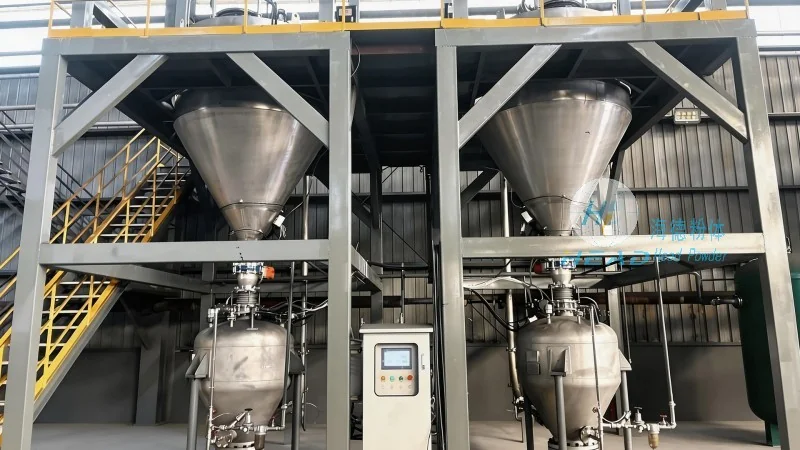
Microencapsulation: A Traditional and Robust Delivery Technique
Microencapsulation stands as a well-established method for biological enzyme delivery, involving the encapsulation of enzymes within a protective matrix. This technique utilizes materials such as gelatin, alginate, or synthetic polymers to form microcapsules that shield the enzyme from adverse environmental conditions. The primary benefit of microencapsulation is the enhanced stability of the enzyme, as the protective shell prevents degradation from factors like pH fluctuations, temperature changes, or proteolytic enzymes. In industrial settings, microencapsulated enzymes are often employed in continuous flow systems where exposure to harsh conditions is unavoidable. The microcapsule also enables controlled release, allowing the enzyme to remain active for extended periods and maintain optimal reaction conditions. Companies like Shandong HeadPowder Engineering Co., Ltd. have specialized in developing advanced microencapsulation technologies, focusing on improving the durability and release profiles of enzyme carriers to meet the demands of various applications.
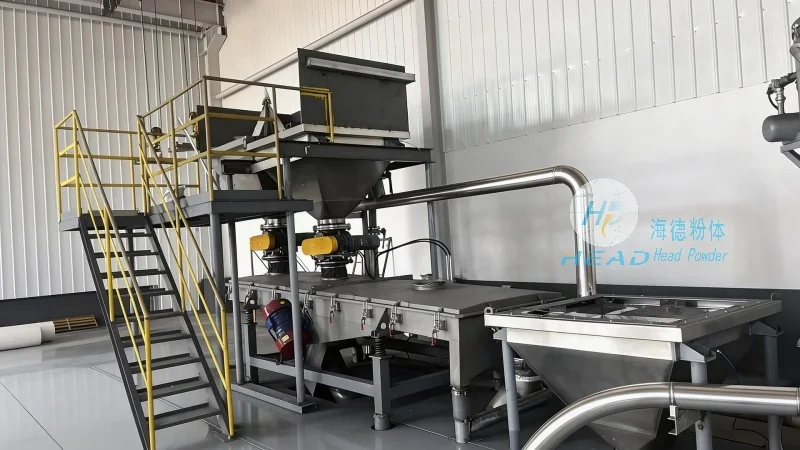
Liposome-Based Delivery Systems: Mimicking Biological Membranes
Liposomes, spherical vesicles composed of phospholipids that mimic cell membranes, represent another effective delivery method for biological enzymes. These structures can encapsulate enzymes within their aqueous core or attach them to their surface, providing a biocompatible environment. The key advantages of liposome-based delivery include enhanced cellular uptake and reduced immunogenicity, making them suitable for pharmaceutical applications. By modifying liposomes with targeting ligands, enzymes can be directed to specific sites, such as tumors or infection sites, improving therapeutic efficacy. In medical contexts, liposomal delivery of enzymes has shown promise in treating conditions like cystic fibrosis or certain metabolic disorders. The flexibility of liposome design allows for customization, enabling the incorporation of functional groups to tailor the delivery system for different enzyme types and scenarios. Shandong HeadPowder Engineering Co., Ltd. has invested in optimizing liposome formulations, ensuring efficient enzyme delivery while preserving the enzyme's biological activity and minimizing potential side effects.
Nanoparticle and Nanocarrier Systems: Precision at the Nanoscale
Nanoparticle-based delivery systems have gained significant attention due to their ability to transport enzymes at the nanoscale, offering high surface area and precise control over enzyme release. These carriers, typically made from polymers, inorganic materials, or hybrid structures, can be functionalized to load specific enzymes and regulate their release. The use of nanoparticles allows for sustained enzyme activity, which is critical for applications requiring prolonged exposure, such as agricultural biotechnology or environmental remediation. For example, nanoparticle-encapsulated enzymes can be applied to soil to enhance nutrient cycling or pest control. The small size of nanoparticles also facilitates better penetration into biological tissues, making them suitable for medical applications like targeted drug delivery. Companies like Shandong HeadPowder Engineering Co., Ltd. are developing advanced nanoparticle technologies, focusing on improving the biocompatibility and stability of enzyme carriers. By optimizing particle size and surface chemistry, these systems can achieve higher enzyme loading and better performance across diverse environments.
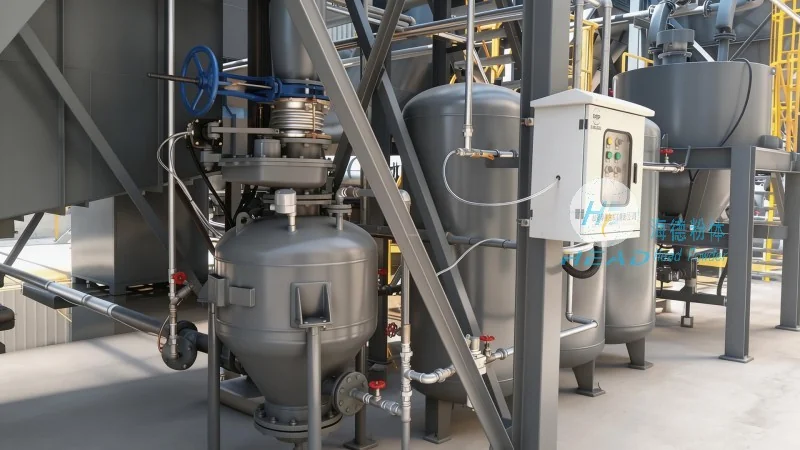
Electrostatic Complexation and Polymeric Conjugates: Stable and Targeted Delivery
Electrostatic complexation involves the formation of stable complexes between oppositely charged molecules, such as enzymes and polyelectrolytes, to create polymeric conjugates. This method is particularly useful for delivering enzymes that are sensitive to denaturation, as the complex protects the enzyme from degradation. The polymeric conjugates can facilitate transport across biological barriers and release enzymes in response to specific stimuli. In medical contexts, these complexes have been explored for targeted drug delivery, where enzymes are conjugated to therapeutic agents to enhance efficacy. The ability to adjust the charge ratio and polymer type allows for fine-tuning of the complex's properties, ensuring optimal enzyme stability and controlled release. Shandong HeadPowder Engineering Co., Ltd. has expertise in designing polymeric conjugates, leveraging their knowledge to create tailored enzyme delivery systems for industrial and pharmaceutical needs. These systems offer a versatile approach to delivering enzymes while maintaining their activity and reducing potential immunogenic responses.
Self-Assembling Peptide and Protein-Based Carriers: Biocompatible and Responsive
Self-assembling peptide and protein-based carriers represent a modern and innovative approach to biological enzyme delivery. These carriers are derived from natural or synthetic peptides that spontaneously form nanostructures, such as hydrogels or fibrils, capable of encapsulating enzymes. The primary advantage of this method is the biocompatibility and biodegradability of the carriers, as they are often derived from proteins or peptides already present in the body. Self-assembling systems can be designed to release enzymes in response to specific stimuli, such as pH changes or enzymatic activity, providing controlled and site-specific delivery. In biomedical applications, these carriers have shown potential in gene therapy and enzyme replacement therapies. Companies like Shandong HeadPowder Engineering Co., Ltd. are actively researching self-assembling carriers, aiming to enhance the efficiency and safety of enzyme delivery. By leveraging their engineering capabilities, they are developing innovative solutions that address the challenges of enzyme stability and targeted delivery, ensuring that enzymes reach their intended sites effectively and remain active throughout the process.

 Shandong Headpowder Engineering Co., Ltd.
 156-6277-7102(Quản lý Trương)
  0531-83386006
  Thành phố Tế Nam, Tỉnh Sơn Đông, Trung Quốc
Điện thoại
WeChatTư vấn
Lên đầu