Với hơn 10 năm kinh nghiệm về vận chuyển khí nén, Headpowder Sơn Đông cung cấp hệ thống, thiết bị và quạt gió toàn chuỗi, đảm nhận các dự án kỹ thuật bột trọn gói trên toàn quốc.
Organic fertilizer granules are a vital component in modern agricultural practices, supplying essential nutrients to soil and supporting sustainable farming. The efficient and reliable transportation of these granules from production sites to application areas is critical for optimizing agricultural operations. This article explores the common methods used for conveying organic fertilizer granules, with a specific focus on the advantages and applications of pneumatic conveying systems.
Overview of Organic Fertilizer Granule Conveying Systems
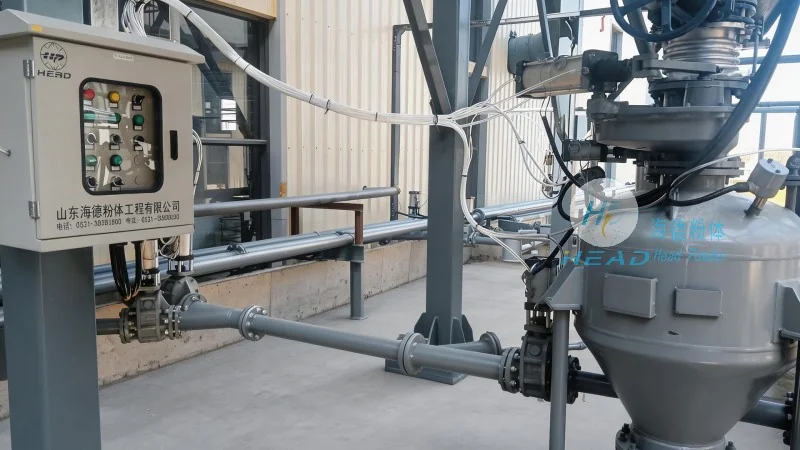
Organic fertilizer granules, such as composted manure, bio-fertilizers, and organic nutrient blends, are typically produced in bulk quantities. Conveying these materials requires systems capable of handling the physical properties of granules, including size, density, and moisture content. Traditional methods like belt conveyors and screw conveyors are widely used but may encounter challenges with dust generation, material degradation, and operational efficiency, particularly when dealing with fine or irregularly shaped granules. Pneumatic conveying, however, offers a more advanced solution that addresses these limitations.
Pneumatic Conveying: A Detailed Overview
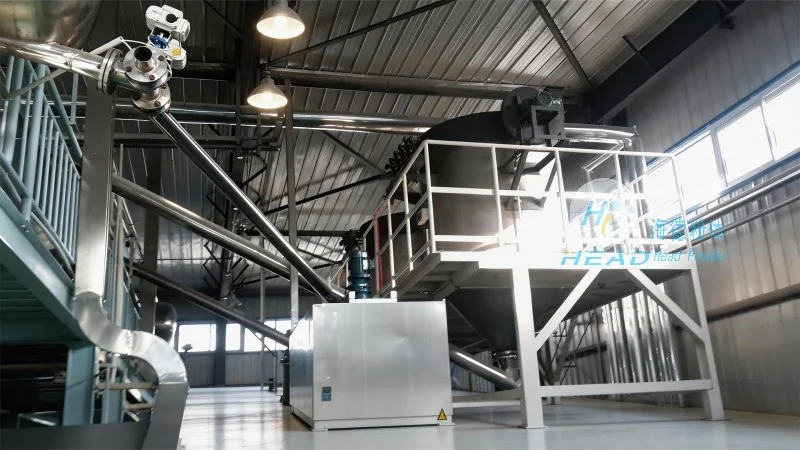
Pneumatic conveying, also known as air conveying, is a technology that utilizes pressurized or suction air to transport bulk materials like organic fertilizer granules through a pipeline system. This method is especially effective for organic fertilizers due to its ability to handle dusty or fine particles without causing segregation or degradation. The system generally consists of a blower, a hopper for material storage, a conveying line, and a discharge point. The process involves feeding granules into the hopper, where they are then drawn or pushed by the air flow through the pipeline to the desired location.
Advantages of Pneumatic Conveying for Organic Fertilizer Granules
One of the primary advantages of pneumatic conveying is its capacity to transport organic fertilizer granules over long distances while preserving material quality. Unlike mechanical systems, pneumatic conveyors do not rely on physical contact with the material, reducing the risk of contamination or degradation. Additionally, pneumatic systems can accommodate varying particle sizes and moisture levels, making them versatile for different types of organic fertilizers. Another key benefit is the reduced labor and maintenance requirements compared to traditional conveyors, as there are fewer moving parts and less wear from material abrasion.
Applications in Organic Fertilizer Production and Distribution
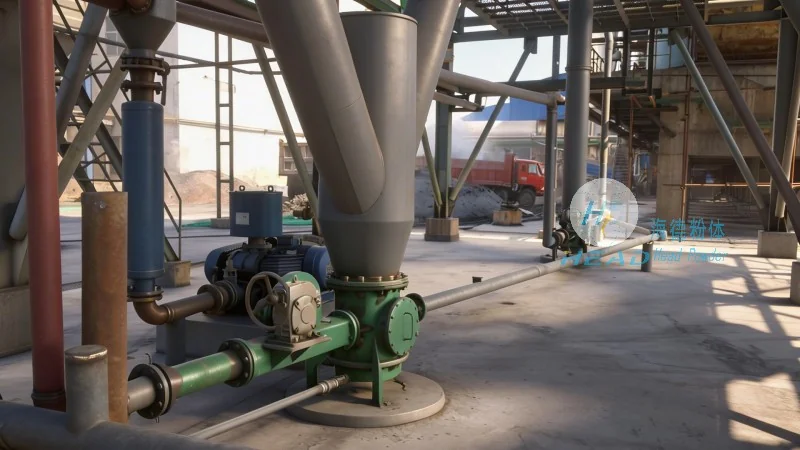
The application of pneumatic conveying in organic fertilizer production and distribution is widespread. In manufacturing facilities, these systems are used to transport granules from mixing and drying stages to packaging units, ensuring a smooth and continuous production flow. During distribution, pneumatic conveyors facilitate the movement of organic fertilizers from storage silos to trucks or application equipment, enabling efficient loading and unloading processes. This technology is particularly valuable in large-scale agricultural operations where high throughput and consistent material quality are essential for meeting production targets and customer demands.
Key Considerations for Implementing Pneumatic Conveying Systems
When implementing a pneumatic conveying system for organic fertilizer granules, several factors must be considered to ensure optimal performance. First, the material characteristics, such as particle size distribution, density, and moisture content, need to be accurately assessed to select the appropriate system configuration. For example, fine granules may require higher air velocities to prevent blockages, while larger particles may need a different blower capacity. Second, the system layout and pipeline design are critical for minimizing pressure losses and ensuring efficient material transport. Properly sized pipelines and appropriate bends and fittings are essential to maintain air flow and prevent material deposition. Third, maintenance and operational considerations, such as regular cleaning of the pipeline and blower maintenance, are necessary to prevent system downtime and ensure long-term reliability.

 Shandong Headpowder Engineering Co., Ltd.
 156-6277-7102(Quản lý Trương)
  0531-83386006
  Thành phố Tế Nam, Tỉnh Sơn Đông, Trung Quốc
Điện thoại
WeChatTư vấn
Lên đầu