Với hơn 10 năm kinh nghiệm về vận chuyển khí nén, Headpowder Sơn Đông cung cấp hệ thống, thiết bị và quạt gió toàn chuỗi, đảm nhận các dự án kỹ thuật bột trọn gói trên toàn quốc.
Phenolic resin powder, as a key material in various industrial applications, requires efficient and reliable transportation methods to ensure smooth production processes. The design of a pneumatic conveying system for phenolic resin powder is a critical task that involves careful consideration of multiple factors to achieve optimal performance, safety, and cost-effectiveness. This article provides a comprehensive guide on designing a reasonable phenolic resin powder pneumatic conveying system, incorporating essential aspects such as material properties, system components, and operational considerations.
Understanding Phenolic Resin Powder Characteristics
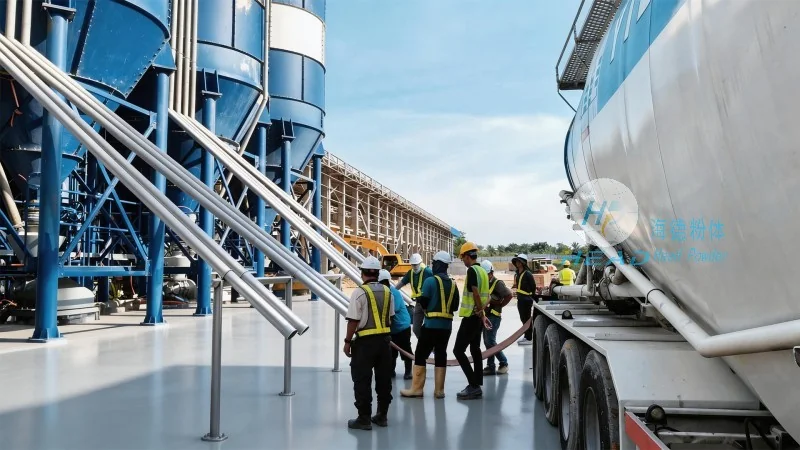
Before designing a pneumatic conveying system for phenolic resin powder, it is crucial to understand the unique characteristics of this material. Phenolic resin powders typically exhibit properties like fine particle size, high density, and potential for static electricity accumulation. These characteristics directly impact the selection of conveying equipment, air flow rates, and system configuration. For instance, fine particles may require higher air velocities to prevent clogging, while high density may necessitate robust material handling components. Additionally, the risk of static electricity discharge must be addressed to prevent sparks and ensure safety in the conveying process. By thoroughly analyzing these material properties, engineers can tailor the system design to meet specific operational requirements.
Key Components of a Phenolic Resin Powder Pneumatic Conveying System
A well-designed phenolic resin powder pneumatic conveying system consists of several interconnected components that work in harmony to transport the material from the source to the destination. The primary components include the material feed system, air supply unit, conveying line, and material discharge unit. The material feed system, often equipped with a hopper and a rotary valve, ensures a controlled and consistent flow of phenolic resin powder into the system. The air supply unit, typically a blower or compressor, generates the necessary air pressure and flow rate to move the powder through the conveying line. The conveying line, which may be made of metal or plastic, must be designed to withstand the pressure and temperature conditions of the material. The material discharge unit, such as a receiver or silo, collects the conveyed powder and prepares it for further processing. Each component must be carefully selected and sized to ensure the system operates efficiently and reliably.
System Design Considerations for Phenolic Resin Powder
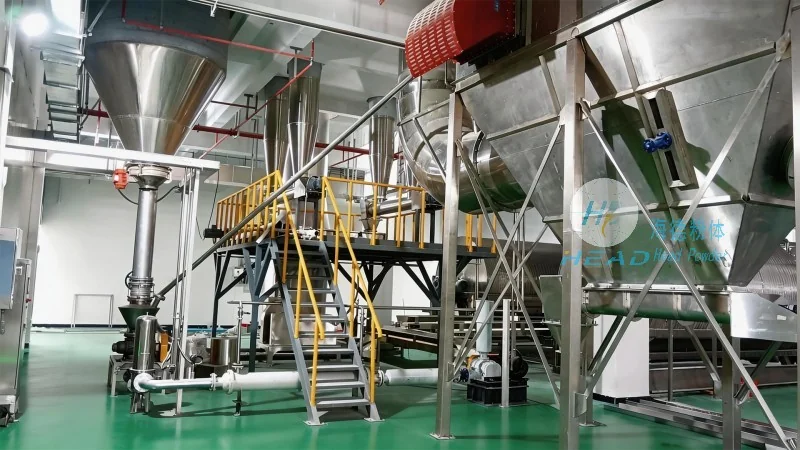
Designing a pneumatic conveying system for phenolic resin powder involves several critical considerations to optimize performance and minimize operational issues. One of the most important factors is the selection of the conveying method, which can be categorized into pressure or vacuum systems. Pressure systems use positive pressure to push the material through the line, while vacuum systems use negative pressure to pull the material. The choice between these methods depends on factors such as the distance between the source and destination, the material's flowability, and the system's overall cost. Another key consideration is the air velocity and pressure requirements. Proper air velocity is essential to prevent material settling or clogging in the conveying line. Excessive air velocity may lead to increased energy consumption and potential damage to the material. Conversely, insufficient air velocity can cause blockages and reduce system efficiency. Engineers must calculate the appropriate air velocity based on the particle size, density, and flow characteristics of the phenolic resin powder.
Material Handling and Safety Measures
Ensuring the safe and efficient handling of phenolic resin powder is paramount in pneumatic conveying system design. Phenolic resins are often used in applications where fire and explosion hazards are a concern, making static electricity control a critical safety measure. The system must include grounding and bonding components to prevent static buildup and discharge. Additionally, the design should incorporate features to prevent dust accumulation, as accumulated dust can pose a fire risk. Regular maintenance and cleaning of the conveying line and components are essential to maintain system performance and safety. The system should also be equipped with safety valves and pressure relief devices to protect against overpressure situations. By implementing these safety measures, the risk of accidents and material loss is significantly reduced, ensuring a reliable operation.
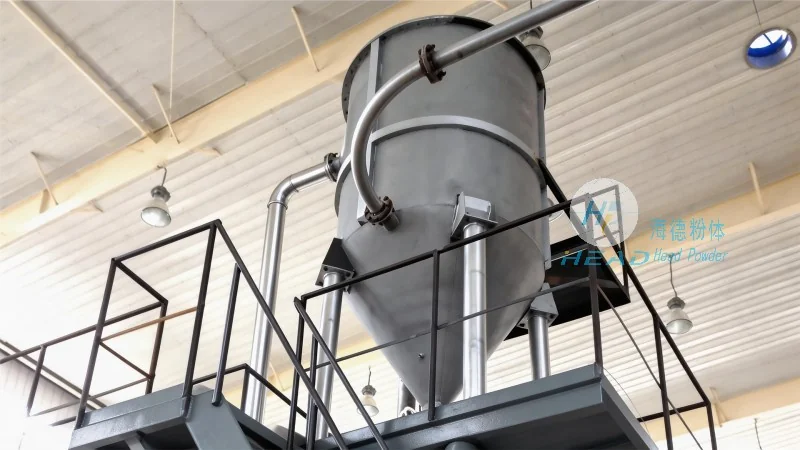
Case Study: HeadPowder's Expertise in Phenolic Resin Powder Conveying
Shandong HeadPowder Engineering Co., Ltd., a leading provider of engineering solutions for powder handling systems, specializes in designing and implementing pneumatic conveying systems for phenolic resin powders. With years of experience in the industry, HeadPowder has developed a comprehensive approach to system design that addresses the unique challenges of phenolic resin powder transportation. The company's engineers work closely with clients to understand their specific requirements, including production capacity, material properties, and operational constraints. Based on this understanding, HeadPowder designs customized systems that optimize material flow, minimize energy consumption, and ensure safety. For example, a recent project involved designing a pneumatic conveying system for a phenolic resin powder plant in China, where the system was tailored to handle the fine particle size and high density of the material. The system successfully reduced material handling time by 30% and improved overall production efficiency. HeadPowder's expertise in material handling and system design makes them a trusted partner for companies seeking reliable phenolic resin powder pneumatic conveying solutions.
Conclusion and Recommendations
Designing a reasonable phenolic resin powder pneumatic conveying system requires a thorough understanding of material properties, system components, and operational considerations. By carefully selecting and integrating the key components, such as the material feed system, air supply unit, and conveying line, engineers can create a system that meets the specific needs of the application. Additionally, implementing safety measures and regular maintenance is essential to ensure long-term system performance and reliability. For companies in need of phenolic resin powder pneumatic conveying systems, partnering with experienced engineering firms like Shandong HeadPowder Engineering Co., Ltd. can provide the expertise and support needed to achieve optimal results. By following the guidelines outlined in this article, companies can design and implement effective pneumatic conveying systems that enhance productivity, reduce costs, and ensure safety in the handling of phenolic resin powders.

 Shandong Headpowder Engineering Co., Ltd.
 156-6277-7102(Quản lý Trương)
  0531-83386006
  Thành phố Tế Nam, Tỉnh Sơn Đông, Trung Quốc
Điện thoại
WeChatTư vấn
Lên đầu