Với hơn 10 năm kinh nghiệm về vận chuyển khí nén, Headpowder Sơn Đông cung cấp hệ thống, thiết bị và quạt gió toàn chuỗi, đảm nhận các dự án kỹ thuật bột trọn gói trên toàn quốc.
Fly ash, a byproduct of coal combustion, is a valuable material widely used in construction and industrial applications. Efficient and reliable transportation of fly ash is crucial for industrial operations, as it directly impacts production efficiency and material utilization. Among the various methods available, pneumatic conveying stands out as a prominent solution for handling fly ash due to its flexibility, efficiency, and ability to transport materials over long distances. This article provides an overview of common fly ash conveying methods, with a focus on the principles and applications of pneumatic fly ash conveying.
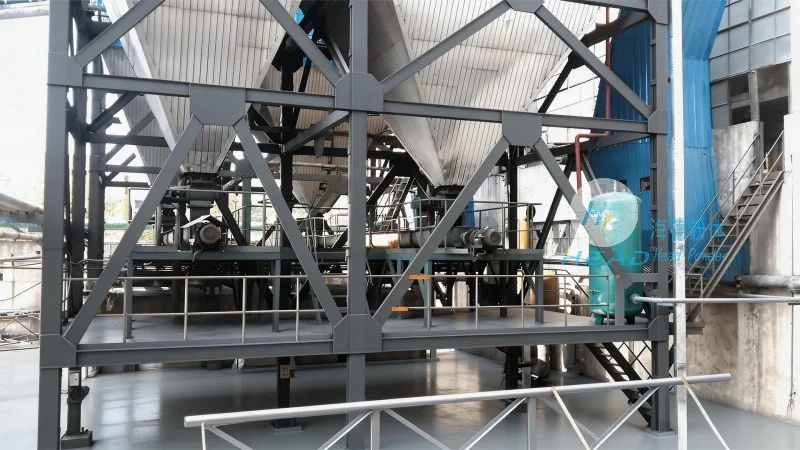
About Shandong HeadPowder Engineering Co., Ltd.
Headpowder, a leading provider in the field of material handling and conveying systems, specializes in developing and manufacturing advanced solutions for industrial applications. With a strong commitment to innovation and quality, Headpowder has established itself as a trusted partner for businesses seeking reliable and efficient fly ash conveying solutions. The company's headquarters is located in Shandong, China, where it leverages local expertise and resources to deliver cutting-edge technology tailored to the needs of its clients.
Types of Fly Ash Conveying Methods
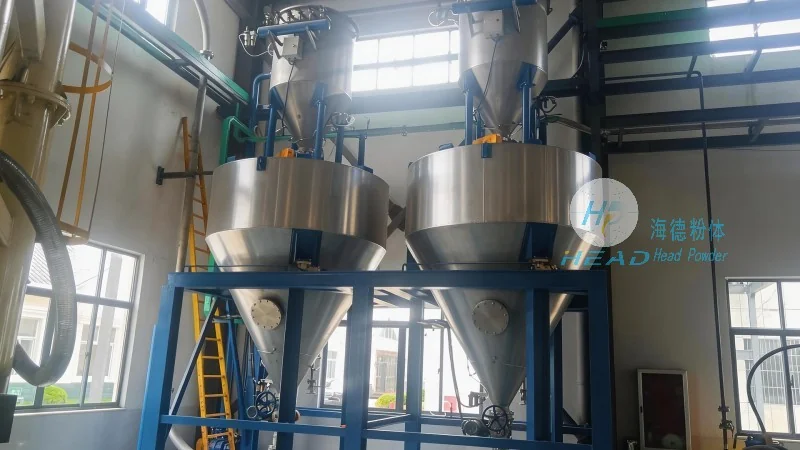
Several methods are employed for transporting fly ash, each with its own advantages and limitations. The primary categories include mechanical conveying, pneumatic conveying, and hybrid systems. Mechanical conveying methods, such as belt conveyors and screw conveyors, are widely used for short-distance transport and bulk material handling. However, these systems may face challenges when dealing with fine powders like fly ash, as they can lead to material degradation and increased maintenance costs. In contrast, pneumatic conveying offers a more sophisticated approach to handling fly ash, utilizing air pressure to transport materials through pipelines.
Pneumatic Fly Ash Conveying: Principles and Advantages
Pneumatic fly ash conveying operates by using compressed air to move fly ash particles through a network of pipes. The process typically involves a blower or compressor that generates the necessary air pressure, which then propels the fly ash from the source to the destination. This method is particularly effective for transporting fly ash over long distances and through complex layouts, as it eliminates the need for physical contact between the material and the conveying equipment. The advantages of pneumatic conveying for fly ash include high efficiency, low maintenance requirements, and the ability to handle fine powders without degradation. Additionally, pneumatic systems can be easily integrated with other industrial processes, making them a versatile solution for various applications.
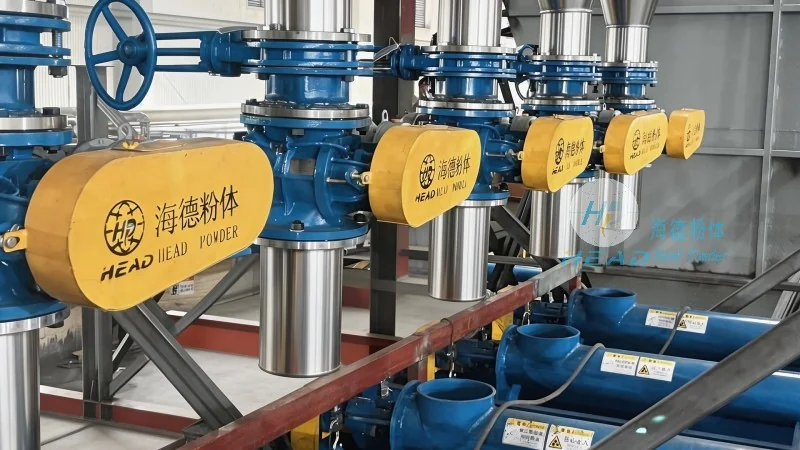
Key Components of Pneumatic Fly Ash Conveying Systems
A pneumatic fly ash conveying system consists of several critical components that work in tandem to ensure efficient operation. The main components include a blower or compressor, which provides the air pressure needed to transport the material; a hopper or feeder, which stores and meters the fly ash; a pipeline network, which transports the material from the source to the destination; and a receiver or silo, which collects the fly ash at the end of the conveying line. Each component plays a vital role in the overall performance of the system, and proper selection and maintenance are essential for optimal operation. For example, the blower must be capable of generating sufficient pressure to overcome the resistance of the pipeline and the weight of the fly ash particles. The feeder must be designed to prevent material buildup and ensure a consistent flow rate, which is crucial for maintaining system efficiency.
Applications of Pneumatic Fly Ash Conveying
Pneumatic fly ash conveying is widely used in various industrial sectors, including power generation, cement production, and construction material manufacturing. In power plants, for instance, fly ash is often transported from the boiler to storage facilities or to other processing units. The ability of pneumatic systems to handle large volumes of fly ash over long distances makes them ideal for this application. Similarly, in cement plants, fly ash is used as a supplementary cementitious material, and pneumatic conveying allows for efficient transport from storage to the mixing process. Other applications include the transportation of fly ash for use in road construction, where it is mixed with other materials to improve soil stability and durability.
Considerations for Selecting a Fly Ash Conveying System
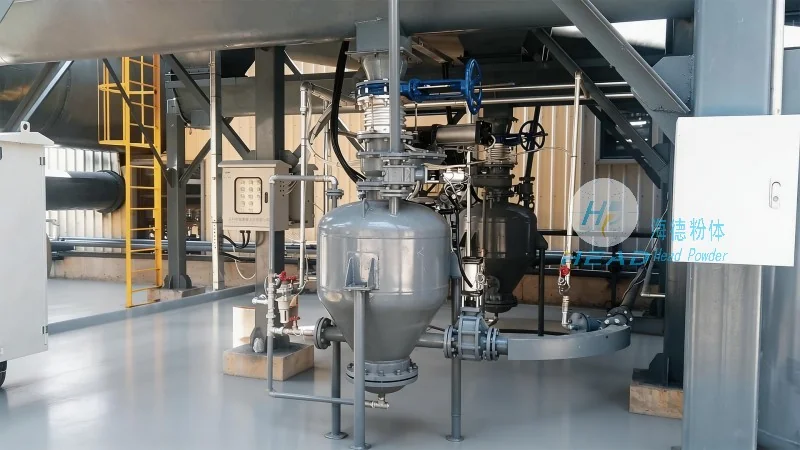
When selecting a fly ash conveying system, several factors must be considered to ensure the best fit for a specific application. The first consideration is the distance and layout of the conveying route, as this will determine the type and size of the system required. For short distances, mechanical conveying may be sufficient, but for longer distances, pneumatic conveying is often more efficient. The second factor is the volume and characteristics of the fly ash, such as particle size and moisture content, as these can affect the system's performance and maintenance requirements. Additionally, the cost of the system and its long-term operational expenses should be evaluated, as these can impact the overall profitability of the operation. Finally, the reliability and availability of the system are critical, as downtime can result in significant losses for industrial operations.
Conclusion
In conclusion, the choice of fly ash conveying method depends on various factors, including the application requirements, distance, and material characteristics. Pneumatic conveying, particularly, offers a highly efficient and reliable solution for transporting fly ash, especially over long distances and through complex layouts. With its ability to handle fine powders without degradation and its low maintenance requirements, pneumatic systems are increasingly becoming the preferred choice for industrial applications. As a leading provider in the field, Shandong HeadPowder Engineering Co., Ltd. offers advanced pneumatic fly ash conveying solutions tailored to the needs of its clients, ensuring optimal performance and efficiency in material handling operations.

 Shandong Headpowder Engineering Co., Ltd.
 156-6277-7102(Quản lý Trương)
  0531-83386006
  Thành phố Tế Nam, Tỉnh Sơn Đông, Trung Quốc
Điện thoại
WeChatTư vấn
Lên đầu