Với hơn 10 năm kinh nghiệm về vận chuyển khí nén, Headpowder Sơn Đông cung cấp hệ thống, thiết bị và quạt gió toàn chuỗi, đảm nhận các dự án kỹ thuật bột trọn gói trên toàn quốc.
When it comes to transporting magnesium oxide powder, selecting the right conveying method is crucial for ensuring efficiency, safety, and cost-effectiveness in industrial applications. Magnesium oxide, also known as magnesia, is a widely used chemical compound in various industries, including construction, pharmaceuticals, and metallurgy. The choice of conveying system directly impacts the overall performance of production lines, as different methods offer distinct advantages and challenges. This article explores the primary methods for magnesium oxide powder conveyance, with a focus on the benefits and characteristics of pneumatic conveying, a popular choice for handling fine powders like magnesium oxide.
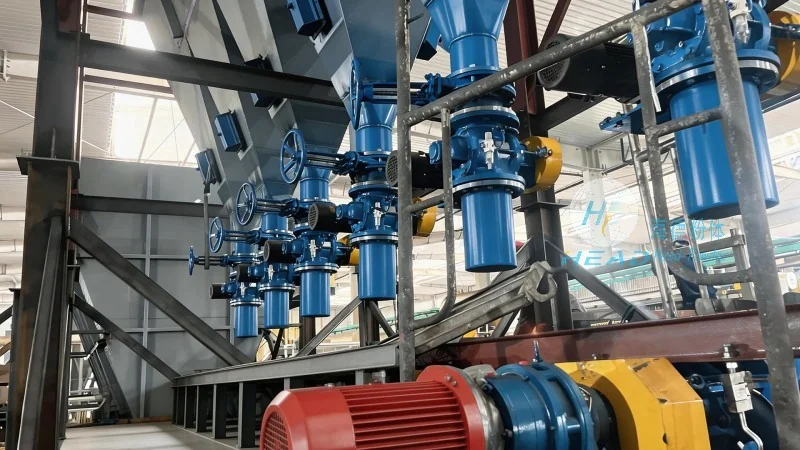
Overview of Common Magnesium Oxide Powder Conveying Methods
There are several conventional methods used for transporting magnesium oxide powder, each with its own set of applications and limitations. The most common approaches include mechanical conveying systems and pneumatic conveying systems. Mechanical methods, such as belt conveyors, screw conveyors, and bucket elevators, are widely used for bulk material handling but may not be suitable for fine powders due to issues like dust generation and material degradation. In contrast, pneumatic conveying offers a more efficient and controlled solution for handling magnesium oxide powder, especially in applications requiring high precision and minimal contamination.
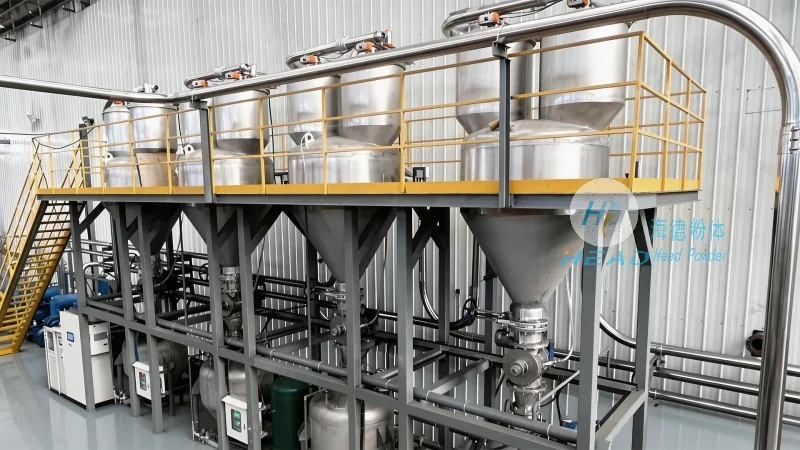
Pneumatic Conveying: A Preferred Solution for Magnesium Oxide Powder
Pneumatic conveying, also known as air conveying, is a method that uses compressed air to transport solid particles through a pipeline. This technique is particularly advantageous for magnesium oxide powder due to its ability to handle fine, dusty materials without the need for mechanical components that might cause wear or contamination. The core components of a pneumatic conveying system include a blower or compressor, a hopper for material storage, a conveying line, and a receiver for the material at the destination. The system operates by creating a pressure differential that propels the powder particles through the pipeline, ensuring a smooth and continuous flow.
Key Advantages of Pneumatic Conveying for Magnesium Oxide Powder
One of the primary benefits of pneumatic conveying for magnesium oxide powder is its high efficiency in material transport. Unlike mechanical systems that may experience blockages or require frequent maintenance, pneumatic systems can handle large volumes of fine powder with minimal downtime. Additionally, pneumatic conveying reduces the risk of material degradation, as the powder is not subjected to mechanical stress or friction that could alter its properties. This is particularly important for magnesium oxide, which is often used in applications where purity and consistency are critical, such as in pharmaceuticals or high-grade construction materials.
Another significant advantage is the ability to achieve precise control over the conveying process. Pneumatic systems allow for adjustable air flow rates and pressure levels, enabling operators to tailor the conveying speed to the specific requirements of the application. This flexibility is essential for maintaining consistent product quality and preventing over-conveying or under-conveying, which can lead to production inefficiencies. Furthermore, pneumatic conveying systems are generally more compact and can be installed in a variety of layouts, making them suitable for both new and existing production facilities.
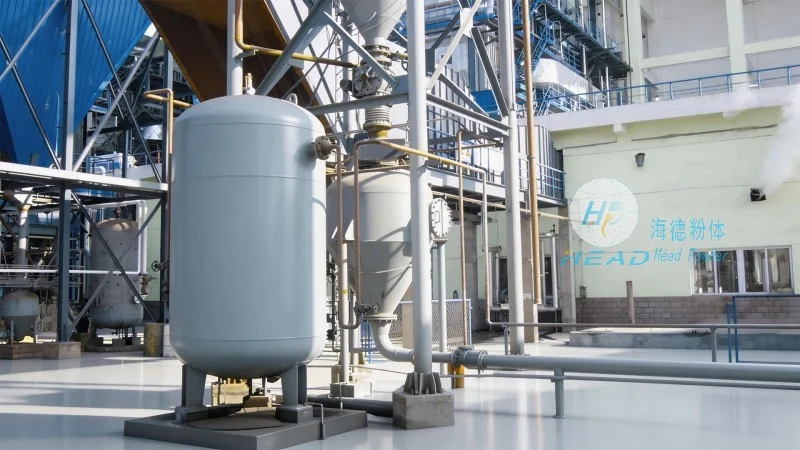
Features and Considerations for Pneumatic Conveying Systems
While pneumatic conveying offers numerous benefits, there are several features and considerations that must be taken into account when implementing such a system for magnesium oxide powder. First, the selection of the appropriate air velocity is critical to prevent material deposition or blockages in the pipeline. For magnesium oxide powder, a typical air velocity range of 20 to 30 meters per second is recommended to ensure smooth transport without excessive energy consumption. Second, the design of the system must account for the dust properties of magnesium oxide, including its particle size distribution and moisture content. Proper filtration and cleaning systems are essential to maintain air quality and prevent dust accumulation in the system components.
Third, the choice of materials for the conveying line and components is crucial to avoid corrosion or chemical reactions with the magnesium oxide powder. Magnesium oxide is a basic compound, and certain materials like stainless steel or specialized plastics may be required to prevent degradation. Additionally, the system must be equipped with proper safety features, such as pressure relief valves and dust collection systems, to ensure safe operation and compliance with industrial safety standards. These considerations are vital for maintaining the longevity of the system and ensuring consistent performance over time.
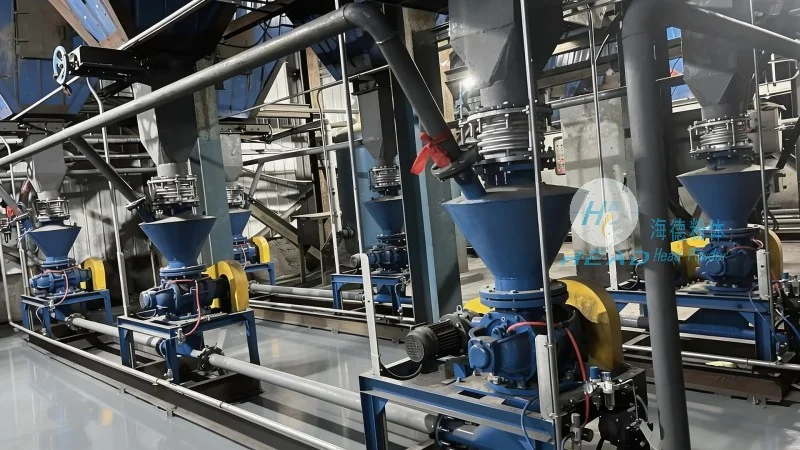
Conclusion: Choosing the Right Conveying Method for Magnesium Oxide Powder
In conclusion, the choice of conveying method for magnesium oxide powder depends on the specific requirements of the application, including material properties, production scale, and operational constraints. While mechanical conveying systems are suitable for certain bulk handling tasks, pneumatic conveying stands out as the preferred solution for fine, dusty materials like magnesium oxide due to its efficiency, control, and minimal material degradation. By understanding the advantages and features of pneumatic conveying systems, industries can optimize their production processes, enhance product quality, and reduce operational costs. As a leading provider of engineering solutions for powder handling, Shandong HeadPowder Engineering Co., Ltd. specializes in designing and manufacturing customized pneumatic conveying systems tailored to the unique needs of magnesium oxide powder applications, ensuring reliable and efficient material transport in various industrial settings.

 Shandong Headpowder Engineering Co., Ltd.
 156-6277-7102(Quản lý Trương)
  0531-83386006
  Thành phố Tế Nam, Tỉnh Sơn Đông, Trung Quốc
Điện thoại
WeChatTư vấn
Lên đầu