Với hơn 10 năm kinh nghiệm về vận chuyển khí nén, Headpowder Sơn Đông cung cấp hệ thống, thiết bị và quạt gió toàn chuỗi, đảm nhận các dự án kỹ thuật bột trọn gói trên toàn quốc.
PTFE, or polytetrafluoroethylene, is a widely used fluoropolymer known for its exceptional chemical resistance, thermal stability, and non-stick properties. In industrial applications, efficiently transporting PTFE powders and granules is crucial for maintaining product quality and operational efficiency. This article explores common PTFE conveying methods, with a focus on pneumatic conveying, and highlights the expertise of Shandong HeadPowder Engineering Co., Ltd. (referred to as HeadPowder) in providing advanced solutions for PTFE material handling.
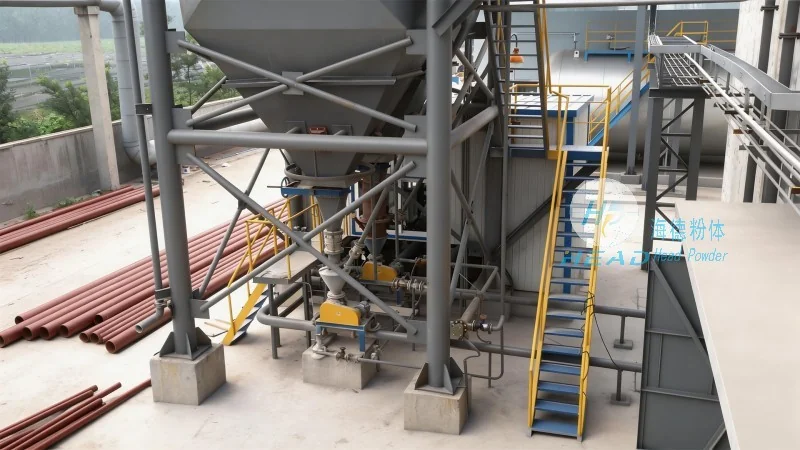
Understanding PTFE and Conveying Challenges
Polytetrafluoroethylene is a high-performance polymer that requires specialized handling due to its fine particle size and potential for static charge buildup. Traditional conveying methods like belt conveyors or screw conveyors may not be suitable for PTFE powders, as they can cause particle degradation, contamination, or uneven flow. PTFE materials are often sensitive to moisture, heat, and mechanical stress, making the choice of conveying system critical for preserving their properties. HeadPowder specializes in designing and manufacturing custom PTFE conveying equipment that addresses these challenges, ensuring reliable and safe material transport.
Common PTFE Conveying Methods
Several methods are employed to transport PTFE materials, each with its advantages and limitations. The primary options include pneumatic conveying, mechanical conveying, and vacuum systems. Pneumatic conveying, which uses air or gas to move materials, is particularly effective for PTFE due to its ability to handle fine powders and minimize contamination. Mechanical conveying methods, such as screw conveyors or belt conveyors, are often used for bulkier PTFE granules but may not be ideal for fine powders. Vacuum systems are also utilized for PTFE, especially in applications requiring gentle handling and low pressure.
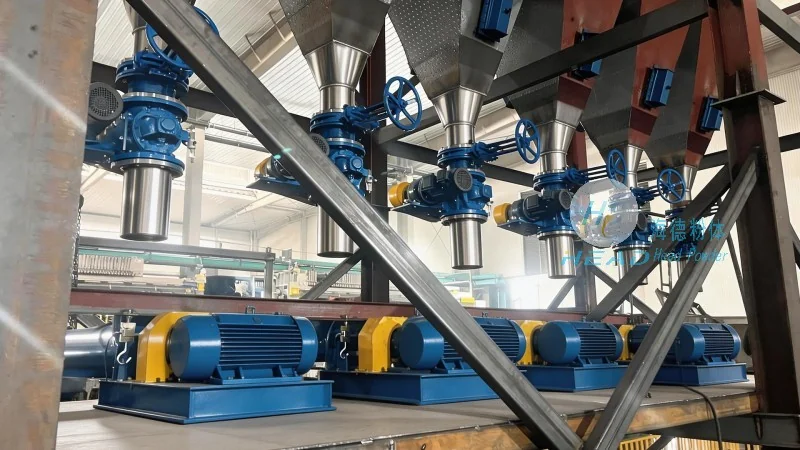
Pneumatic Conveying: The Preferred Method for PTFE
Pneumatic conveying is widely regarded as the most suitable method for transporting PTFE powders and granules. This technique involves using compressed air or gas to create a flow that moves the material through a pipeline. There are two main types of pneumatic conveying: pressure and vacuum. Pressure conveying uses high-pressure air to push the material forward, while vacuum conveying uses a vacuum to pull the material into the system. Both methods are effective for PTFE, but pressure conveying is often preferred for its ability to handle longer distances and larger quantities of material.
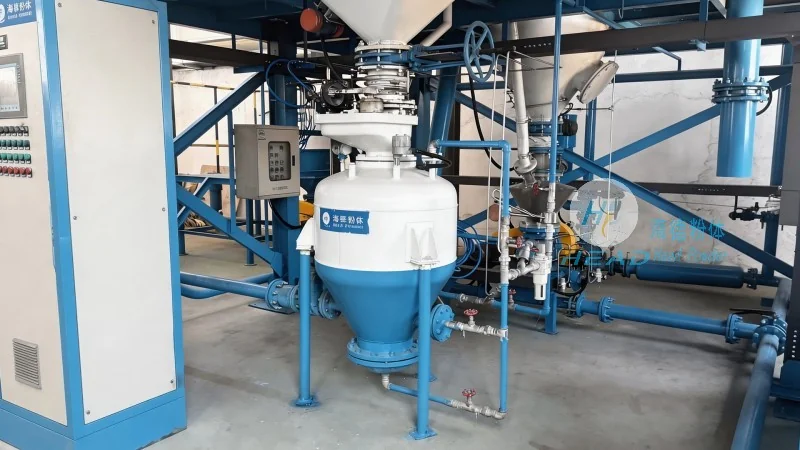
HeadPowder's expertise lies in designing pneumatic conveying systems tailored to PTFE's unique properties. Their systems are equipped with specialized components, such as low-shear pumps and anti-static filters, to prevent particle degradation and static charge buildup. The company's engineers work closely with clients to determine the optimal conveying parameters, including air velocity, pressure, and pipeline design, to ensure efficient and safe transport of PTFE materials.
Key Features of PTFE Pneumatic Conveying Systems
PTFE pneumatic conveying systems from HeadPowder are designed with several key features to enhance performance and reliability. These systems typically include: (1) Low-shear pumps that minimize particle damage during transport; (2) Anti-static filters to prevent static buildup and ensure safe operation; (3) Customized pipeline designs that accommodate PTFE's flow characteristics; (4) Control systems that monitor and adjust conveying parameters in real-time; and (5) Material handling accessories, such as hoppers and feeders, that ensure smooth and consistent material flow.
By incorporating these features, HeadPowder's pneumatic conveying systems provide a reliable solution for transporting PTFE materials while maintaining their quality and integrity. The company's commitment to using high-quality materials and advanced engineering ensures that their systems are durable, efficient, and easy to maintain.
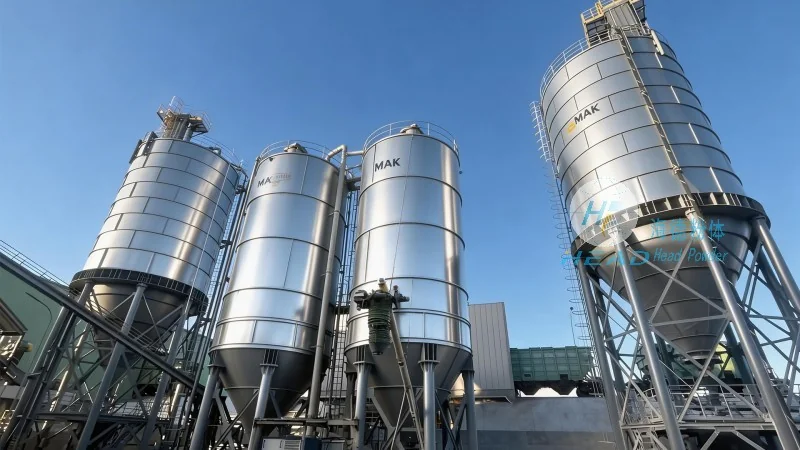
Applications of PTFE Conveying Systems
PTFE conveying systems are used in a variety of industrial applications, including chemical processing, pharmaceutical manufacturing, and food processing. In chemical processing, PTFE is often used as a coating or additive, and conveying systems are essential for moving it from storage to processing equipment. In pharmaceutical manufacturing, PTFE is used in medical devices and drug delivery systems, and the conveying process must meet stringent quality and safety standards. HeadPowder's systems are designed to meet these requirements, ensuring that PTFE materials are handled with the utmost care and precision.

 Shandong Headpowder Engineering Co., Ltd.
 156-6277-7102(Quản lý Trương)
  0531-83386006
  Thành phố Tế Nam, Tỉnh Sơn Đông, Trung Quốc
Điện thoại
WeChatTư vấn
Lên đầu