Với hơn 10 năm kinh nghiệm về vận chuyển khí nén, Headpowder Sơn Đông cung cấp hệ thống, thiết bị và quạt gió toàn chuỗi, đảm nhận các dự án kỹ thuật bột trọn gói trên toàn quốc.
Perlite, a lightweight, porous volcanic rock widely utilized in construction and industrial applications, requires efficient and reliable conveying systems to ensure smooth material handling. Understanding the common methods of perlite conveying is essential for optimizing production processes and maintaining operational efficiency. This article explores the primary techniques used for transporting perlite, highlighting their applications, advantages, and considerations for different industrial settings.
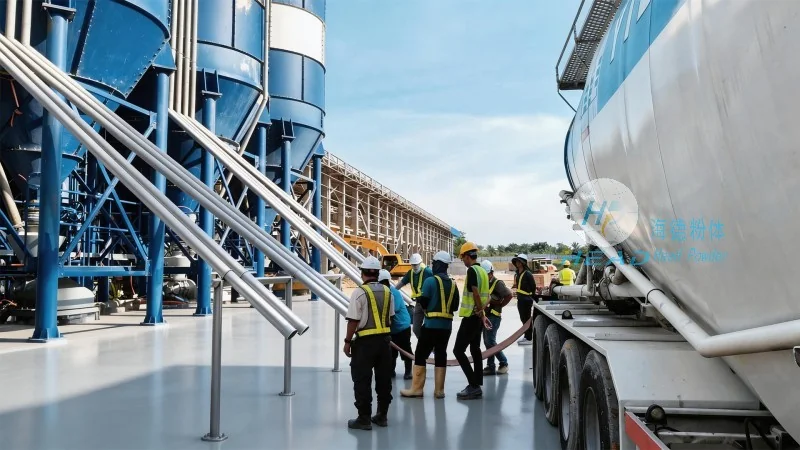
1. Screw Conveyors for Perlite Transport
Screw conveyors, also known as auger conveyors, are among the most widely used equipment for perlite conveying. These systems consist of a rotating helical screw within a trough, which moves material from one point to another through gravity or mechanical force. For perlite, screw conveyors are particularly effective due to their ability to handle dry, free-flowing materials without the need for additional dust control measures. The design of screw conveyors allows for vertical or inclined transport, making them versatile for various facility layouts. Key advantages include low maintenance requirements, compact footprint, and the capacity to operate in both continuous and intermittent modes. However, screw conveyors may struggle with very fine or cohesive perlite particles, as these can cause blockages or reduced efficiency. Proper selection of screw speed and trough dimensions is essential to prevent material degradation or system overload.
2. Pneumatic Conveying Systems
Pneumatic conveying systems utilize air or gas to transport perlite particles through a pipeline network. This method is ideal for applications requiring dust-free, enclosed material handling, as it prevents contamination and environmental issues. There are two main types of pneumatic conveying: pressure and vacuum systems. Pressure systems use compressed air to push perlite through the pipeline, while vacuum systems draw material into the system using a vacuum pump. For perlite, pressure systems are often preferred because they can handle larger particle sizes and higher material loads. The efficiency of pneumatic conveying depends on factors such as air velocity, particle size distribution, and system pressure. Proper air velocity is critical to prevent particle deposition or system clogging. Pneumatic systems offer advantages like minimal maintenance, ability to transport materials over long distances, and compatibility with automated control systems. However, they may require higher energy consumption compared to mechanical conveyors and can be less effective for very fine perlite particles that tend to settle in the pipeline.
3. Belt Conveyors in Perlite Handling
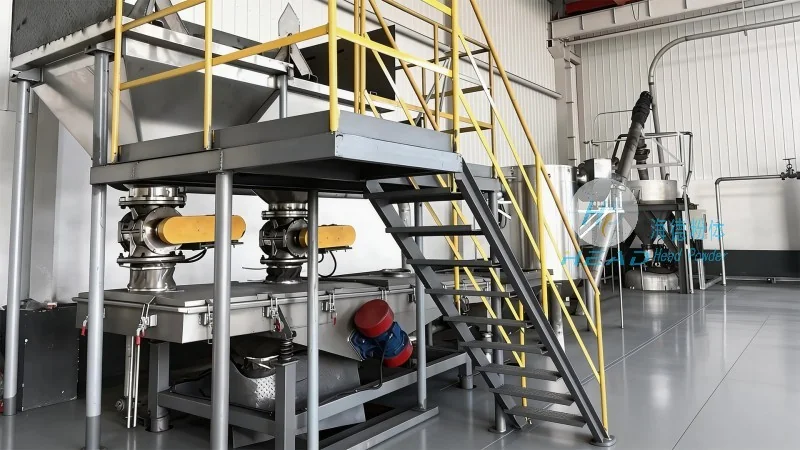
Belt conveyors are another common method for perlite conveying, especially in bulk material handling operations. These systems consist of a continuous belt that moves material along a path, supported by rollers or idlers. Belt conveyors are highly effective for transporting large volumes of perlite over short to medium distances, making them suitable for loading and unloading operations in storage facilities or processing plants. The design of belt conveyors allows for horizontal, inclined, or even vertical transport, depending on the system configuration. Key advantages include high capacity, low operational cost, and the ability to handle a wide range of material types, including abrasive perlite particles. Belt conveyors are relatively simple to install and maintain, with minimal moving parts compared to other systems. However, they may require regular cleaning to prevent material buildup on the belt surface and can be less efficient for fine perlite particles that may fall through the belt or cause wear on the conveyor components.
4. Bucket Elevators for Vertical Perlite Transport
Bucket elevators are specialized equipment designed for vertical transport of perlite, particularly in applications where material needs to be lifted to significant heights. These systems consist of a vertical or inclined conveyor with a series of buckets attached to a chain or belt. As the conveyor rotates, the buckets scoop up perlite from a hopper and transport it upward, depositing the material at the top of the system. Bucket elevators are highly efficient for vertical transport, with the ability to handle large volumes of material at high speeds. They are commonly used in industrial settings where vertical space is limited or where material needs to be elevated to processing equipment. Key advantages include high capacity, low energy consumption, and the ability to operate continuously without interruption. However, bucket elevators require careful maintenance to ensure proper bucket alignment and chain tension, as misalignment can lead to material spillage or system failure. The design of the bucket elevator must also consider the particle size and density of the perlite to prevent bucket wear or material degradation.
5. Vibrating Conveyors for Perlite Handling
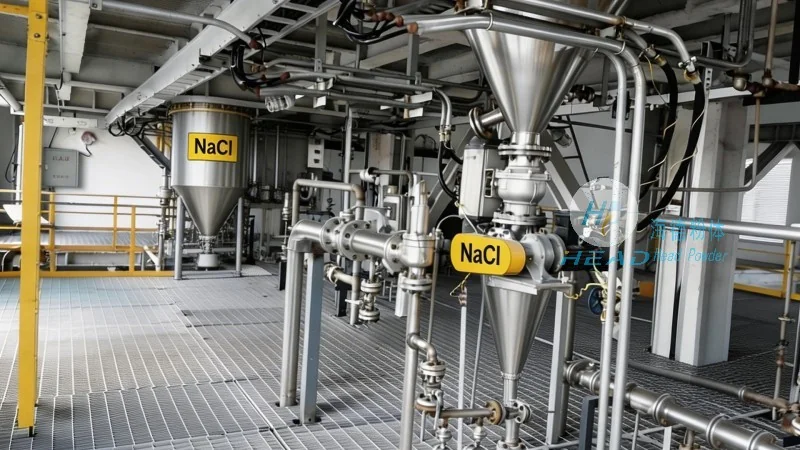
Vibrating conveyors use mechanical vibration to move perlite along a trough or conveyor bed. These systems are particularly effective for handling materials with poor flow characteristics, such as fine or cohesive perlite particles. The vibration helps to break up agglomerates and maintain material movement, preventing blockages and ensuring consistent throughput. Vibrating conveyors can be designed for horizontal, inclined, or vertical transport, depending on the application requirements. They are often used in combination with other conveying systems to improve material flow and reduce the need for manual intervention. Key advantages include low maintenance, ability to handle a wide range of material densities and sizes, and the capacity to operate in dusty or harsh environments. However, vibrating conveyors may require more energy compared to other systems and can generate noise, which may need to be mitigated in certain industrial settings. Proper selection of vibration frequency and amplitude is critical to optimize material transport and prevent equipment wear.
6. Considerations for Choosing the Right Perlite Conveying Method
When selecting a perlite conveying method, several factors must be considered to ensure optimal performance and cost-effectiveness. The first consideration is the material characteristics of the perlite, including particle size, density, and flowability. Fine or cohesive perlite may require specialized equipment like vibrating conveyors or pneumatic systems with low air velocity to prevent clogging. The second factor is the distance and layout of the conveying system, as different methods are better suited for short versus long distances. For example, screw conveyors are ideal for short horizontal or vertical transport, while pneumatic systems excel at long-distance transport. The third consideration is the required capacity and throughput, as high-volume operations may necessitate multiple conveyors or larger systems. Additionally, the operational environment, such as the presence of dust or moisture, can influence the choice of equipment, with enclosed systems like pneumatic conveyors being preferred in dusty conditions. Finally, the budget and maintenance requirements must be evaluated, as some systems, like screw conveyors, offer lower initial costs and easier maintenance compared to more complex systems like pneumatic conveyors.
7. HeadPowder Engineering: Experts in Perlite Conveying Solutions
Shandong HeadPowder Engineering Co., Ltd., a leading provider of engineering solutions for perlite processing, specializes in designing and implementing efficient conveying systems tailored to the unique needs of each client. With years of experience in the industry, HeadPowder understands the challenges associated with perlite handling and offers customized solutions that optimize material flow, reduce downtime, and enhance overall operational efficiency. The company’s expertise includes the selection and integration of various conveying methods, such as screw conveyors, pneumatic systems, and belt conveyors, to meet specific production requirements. HeadPowder’s team of engineers works closely with clients to assess their material characteristics, facility layout, and operational goals, ensuring that the chosen conveying system is both effective and cost-effective. By leveraging advanced technology and industry best practices, HeadPowder provides reliable and durable equipment that meets the highest standards of performance and safety. Whether for new installations or system upgrades, HeadPowder Engineering is committed to delivering solutions that enhance the productivity and sustainability of perlite processing operations.

 Shandong Headpowder Engineering Co., Ltd.
 156-6277-7102(Quản lý Trương)
  0531-83386006
  Thành phố Tế Nam, Tỉnh Sơn Đông, Trung Quốc
Điện thoại
WeChatTư vấn
Lên đầu