Với hơn 10 năm kinh nghiệm về vận chuyển khí nén, Headpowder Sơn Đông cung cấp hệ thống, thiết bị và quạt gió toàn chuỗi, đảm nhận các dự án kỹ thuật bột trọn gói trên toàn quốc.
When it comes to the transportation of bauxite, a crucial raw material in the aluminum industry, selecting the right method is essential for ensuring efficiency, safety, and cost-effectiveness. Bauxite, primarily composed of aluminum oxide, is extracted from bauxite mines and needs to be transported to processing facilities or ports for further refinement. The choice of transportation method depends on various factors including the distance, volume, terrain, and specific requirements of the bauxite being moved. In this article, we will explore the common methods used for bauxite transportation, highlighting their advantages and applications. As a leading provider in the field, Shandong HeadPowder Engineering Co., Ltd. specializes in offering tailored transportation solutions for bauxite, ensuring that clients receive the most suitable method based on their operational needs.
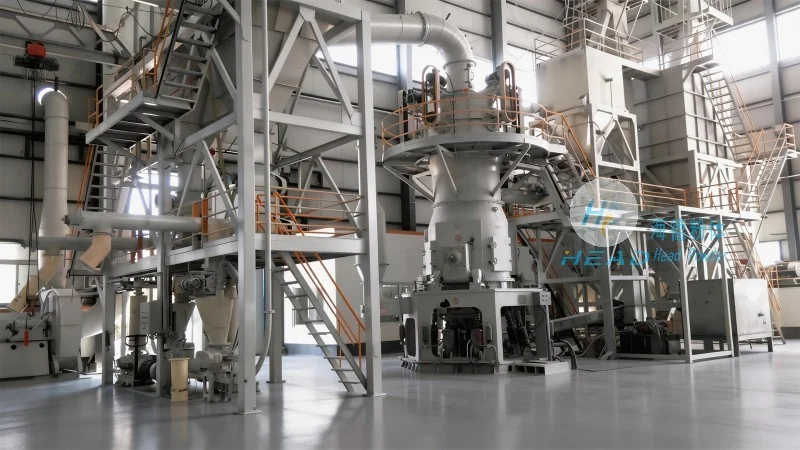
1. Road Transportation
Road transportation is a widely used method for bauxite movement, especially for shorter distances and when the bauxite is to be delivered to nearby processing plants or storage facilities. Trucks equipped with specialized trailers, such as bulk transport trailers or hopper trucks, are commonly employed. These vehicles can carry large quantities of bauxite, often in bulk, and are flexible in terms of route selection. Road transport allows for direct delivery to the destination, reducing the need for additional handling and storage. However, it may face limitations in terms of distance and may not be suitable for very large volumes or long-distance transport due to fuel costs and road infrastructure constraints.
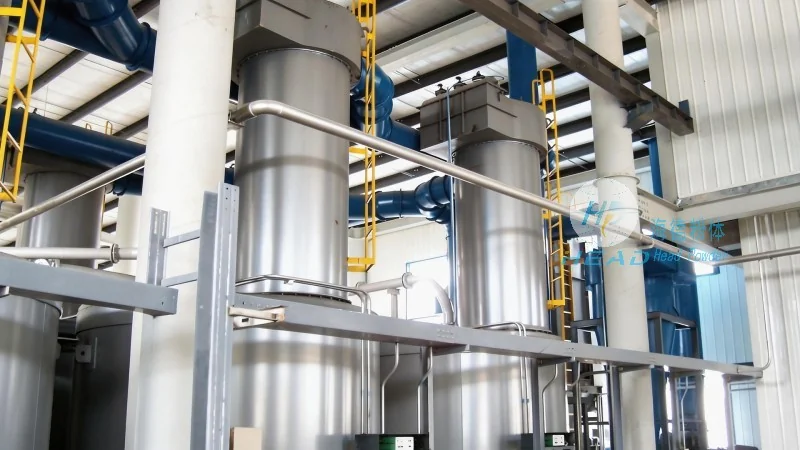
2. Railway Transportation
For longer distances and larger volumes of bauxite, railway transportation becomes a more efficient option. Specialized railcars, such as open-top wagons or covered hoppers, are used to transport bauxite. This method is particularly advantageous for bulk shipments, as it can carry substantial quantities in a single trip. Railways offer a cost-effective solution for long-distance transport, especially when the bauxite is to be moved to distant processing centers or ports. The use of dedicated rail lines or shared freight networks ensures that the material is transported in a controlled environment, minimizing the risk of spillage or loss. Additionally, railway transport is less affected by weather conditions compared to road transport, making it a reliable option for consistent supply.
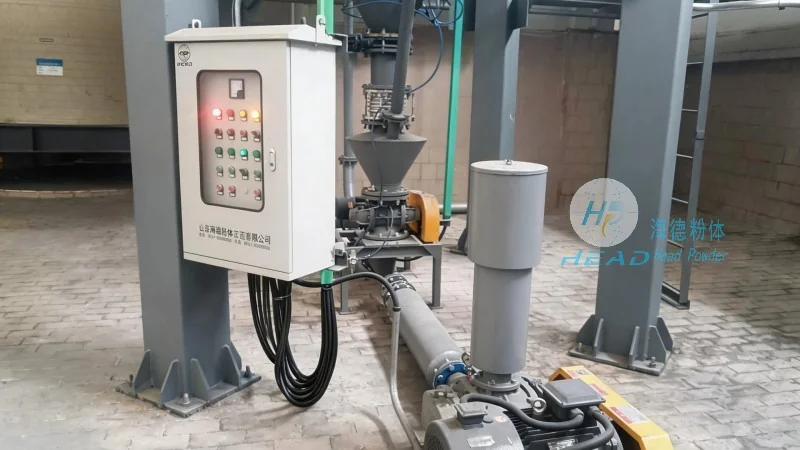
3. Waterway Transportation
Waterway transportation, including shipping via barges or bulk carriers, is ideal for transporting bauxite over very long distances, particularly when the material is to be moved to ports for export or to distant processing facilities located near water bodies. Bauxite is typically loaded into large cargo ships or barges, which can carry thousands of tons in a single voyage. This method is highly cost-effective for bulk shipments over long distances, as it reduces fuel consumption and operational costs per ton. However, the reliance on waterways means that transportation is subject to seasonal variations and weather conditions, which can impact delivery timelines. Additionally, the need for port facilities and loading/unloading equipment adds to the complexity of the process.
4. Pipeline Transportation
While less common for bauxite, pipeline transportation can be used in specific scenarios where the bauxite is in a slurry form or has been processed into a liquid or semi-liquid state. This method involves pumping the bauxite slurry through pipelines to the processing facility. It offers a continuous and automated transport solution, minimizing the risk of spillage and loss. However, the initial investment in pipeline infrastructure is high, and the method is only suitable for bauxite that has been pre-treated into a slurry. This approach is typically used in industrial settings where the bauxite is processed on-site and the slurry is transported directly to the processing units.
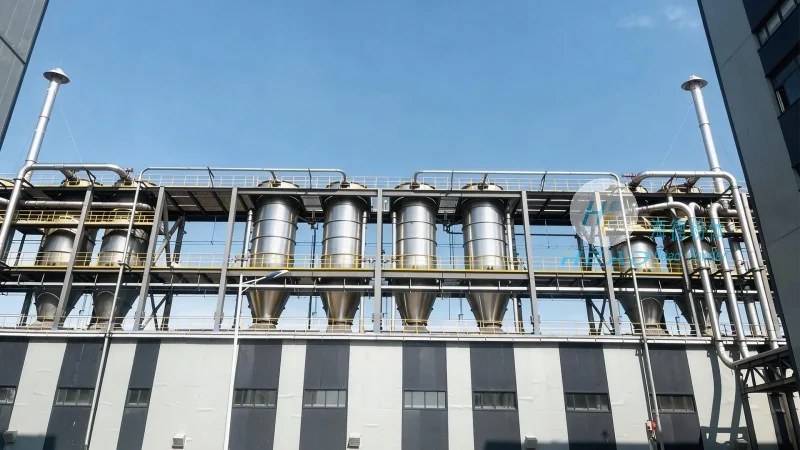
5. Combined Transport Methods
In many cases, a combination of the above methods is used to optimize the transportation process. For example, bauxite may be transported by road from the mine to a railway station, then by rail to a port, and finally by waterway to the destination. This integrated approach allows for the utilization of the strengths of each mode of transport, such as road flexibility for the initial leg, rail efficiency for the middle leg, and waterway cost-effectiveness for the final leg. Combined transport methods help in reducing overall transportation costs, improving delivery reliability, and ensuring that the bauxite reaches its destination in the most efficient manner possible.

 Shandong Headpowder Engineering Co., Ltd.
 156-6277-7102(Quản lý Trương)
  0531-83386006
  Thành phố Tế Nam, Tỉnh Sơn Đông, Trung Quốc
Điện thoại
WeChatTư vấn
Lên đầu