Với hơn 10 năm kinh nghiệm về vận chuyển khí nén, Headpowder Sơn Đông cung cấp hệ thống, thiết bị và quạt gió toàn chuỗi, đảm nhận các dự án kỹ thuật bột trọn gói trên toàn quốc.
When it comes to the efficient handling of malt in the brewing process, selecting the right conveying method is crucial for maintaining product quality and operational efficiency. Shandong HeadPowder Engineering Co., Ltd., a leading manufacturer based in Shandong, China, specializes in providing advanced solutions for malt handling. This article provides a detailed comparison of common malt conveying methods, highlighting their advantages, limitations, and suitability for different industrial applications.
Overview of Malt Conveying Methods
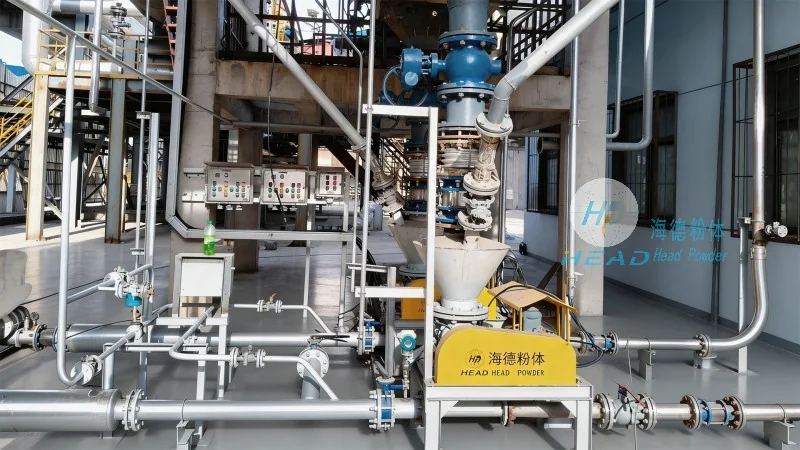
Malt conveying involves the movement of malt from storage silos or bins to the brewhouse or other processing areas. The choice of method depends on factors such as malt type, moisture content, bulk density, and the required conveying distance. Common methods include pneumatic conveying, mechanical conveying, and gravity flow systems. Each method has its own set of characteristics that make it suitable for specific scenarios.
Pneumatic Conveying Systems
Pneumatic conveying uses air or other gases to transport malt particles through a pipeline system. This method is widely used due to its ability to handle fine powders and granules with minimal product degradation. There are two main types of pneumatic conveying: pressure and vacuum systems. Pressure systems use compressed air to push the material forward, while vacuum systems use suction to draw the material into the pipeline. Pneumatic conveying offers advantages such as high conveying rates, minimal product breakage, and the ability to transport malt over long distances. However, it requires careful control of air pressure and flow rates to prevent clogging and ensure consistent performance. The system also needs regular maintenance to keep the air filters clean and the pipelines free from blockages. Shandong HeadPowder Engineering Co., Ltd. offers customized pneumatic conveying solutions tailored to the specific needs of breweries, ensuring optimal performance and reliability.
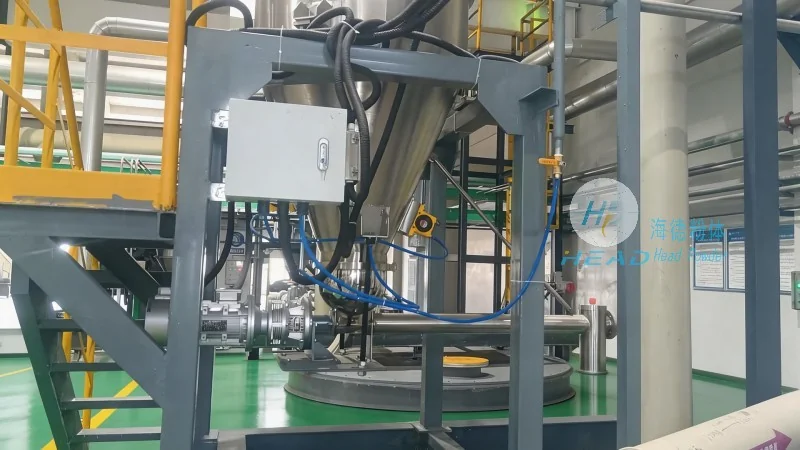
Mechanical Conveying Systems
Mechanical conveying relies on mechanical components like belts, screws, and buckets to move malt. This method is commonly used for short to medium conveying distances and is particularly effective for handling bulk materials with higher moisture content. Belt conveyors are simple and cost-effective, suitable for horizontal or slight incline applications. Screw conveyors, also known as augers, are ideal for vertical or inclined transport and can handle sticky or moist malt without causing excessive wear. Bucket elevators are used for vertical transport over longer distances, providing high capacity and efficient material movement. Mechanical conveying systems are generally more robust and require less maintenance compared to pneumatic systems. However, they may cause more product breakage, especially for delicate malt varieties, and are less suitable for long-distance transport. Shandong HeadPowder Engineering Co., Ltd. manufactures high-quality mechanical conveyors designed to minimize product damage and maximize operational efficiency.
Gravity Flow Systems
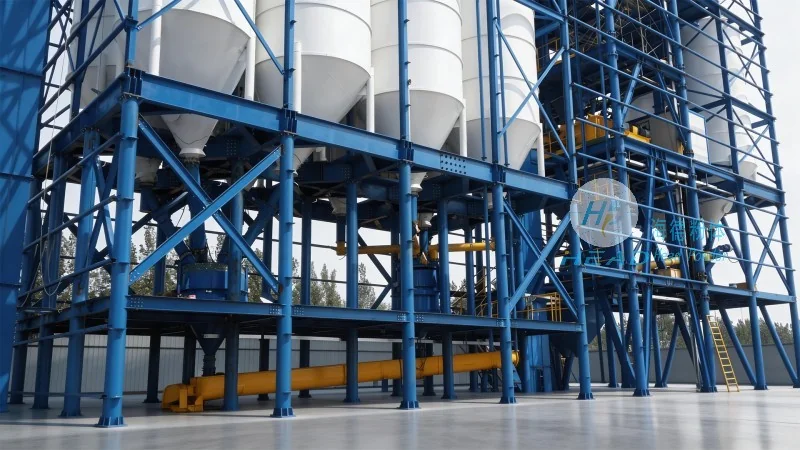
Gravity flow systems utilize the natural force of gravity to move malt from higher to lower levels. This method is simple and low-cost, requiring minimal energy input. Malt is typically stored in elevated silos and flows through chutes or troughs to the brewhouse. The design of the chute is critical to ensure smooth flow and prevent blockages. Gravity flow systems are ideal for short vertical or horizontal distances and are suitable for malt with moderate bulk density. However, they are limited by the height of the storage silo and the angle of the chute, which must be steep enough to allow gravity to overcome friction. This method is less effective for long distances or when the malt needs to be transported to a different level. Shandong HeadPowder Engineering Co., Ltd. provides gravity flow solutions that are designed to maintain product integrity and ensure consistent flow rates.
Choosing the Right Malt Conveying Method
The selection of the most appropriate malt conveying method depends on several factors, including the brewery's specific requirements, the type of malt being handled, and the available space and budget. Pneumatic conveying is often preferred for long-distance transport and handling fine malt, while mechanical conveyors are suitable for shorter distances and bulkier materials. Gravity flow systems are ideal for simple, low-cost applications with minimal distance requirements. It is essential to consider the potential for product degradation, energy consumption, and maintenance costs when making a decision. Shandong HeadPowder Engineering Co., Ltd. offers expert consultation to help breweries evaluate their needs and select the most suitable conveying system, ensuring optimal performance and cost-effectiveness.
Conclusion
In conclusion, the choice of malt conveying method plays a vital role in the efficiency and quality of the brewing process. Shandong HeadPowder Engineering Co., Ltd. specializes in providing advanced and reliable conveying solutions tailored to the unique needs of breweries. By understanding the advantages and limitations of each method, breweries can make informed decisions that enhance operational efficiency, maintain product quality, and reduce costs. Whether using pneumatic, mechanical, or gravity flow systems, the right choice can significantly impact the overall performance of the malt handling process.

 Shandong Headpowder Engineering Co., Ltd.
 156-6277-7102(Quản lý Trương)
  0531-83386006
  Thành phố Tế Nam, Tỉnh Sơn Đông, Trung Quốc
Điện thoại
WeChatTư vấn
Lên đầu