Với hơn 10 năm kinh nghiệm về vận chuyển khí nén, Headpowder Sơn Đông cung cấp hệ thống, thiết bị và quạt gió toàn chuỗi, đảm nhận các dự án kỹ thuật bột trọn gói trên toàn quốc.
When it comes to transporting sand particles, selecting the right conveying method is crucial for efficiency, cost-effectiveness, and operational reliability. Various technologies are available, each suited to different applications, particle sizes, and environmental conditions. This article explores the primary methods used for sand particle conveying, highlighting their advantages and typical applications.
1. Screw Conveyors for Sand Particle Transport
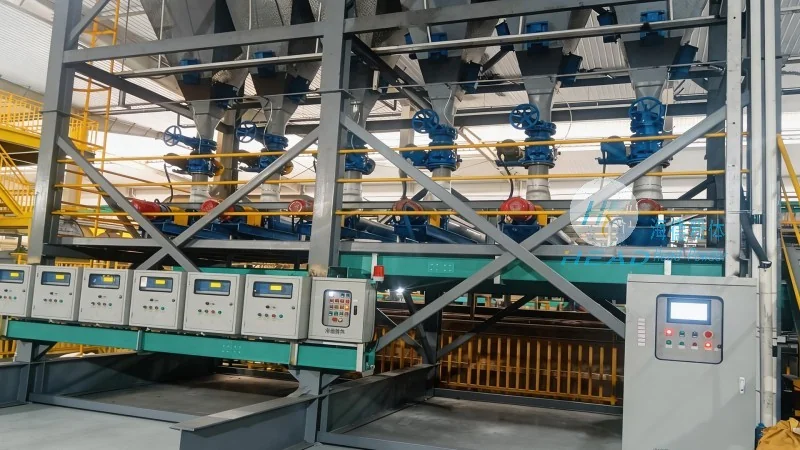
Screw conveyors, also known as auger conveyors, are among the most common equipment for moving sand particles. These systems consist of a rotating helical screw blade inside a trough or tube. As the screw rotates, it pushes the material forward, making them ideal for horizontal or slightly inclined transport. For sand, screw conveyors are particularly effective for handling dry, free-flowing particles without the need for additional power sources beyond the motor driving the screw. They are often used in construction sites, sand processing plants, and material handling operations where a compact, enclosed system is required to prevent dust dispersion. The design allows for easy integration with other processing equipment, such as mixers or screens, enabling a seamless workflow in sand production and handling.
2. Pneumatic Conveying Systems for Sand Particles
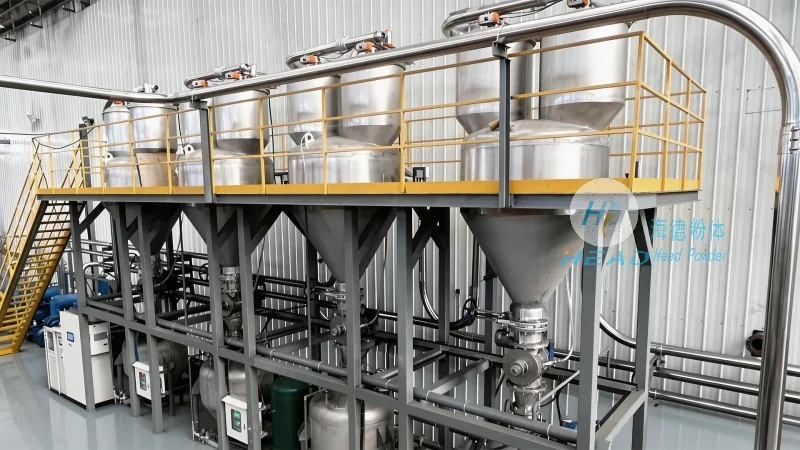
Pneumatic conveying uses air or other gases to transport sand particles through a pipeline. This method is highly effective for moving dry or slightly moist sand over longer distances, especially in applications where dust control is a priority. There are two main types: dilute-phase and dense-phase systems. Dilute-phase pneumatic conveyors use high-velocity air to suspend particles, suitable for short to medium distances and low to medium particle loads. Dense-phase systems, on the other hand, use lower air velocities to push particles in a plug flow, ideal for longer distances and higher loads, minimizing particle degradation and energy consumption. Pneumatic systems are particularly advantageous in environments where dust is a concern, as they can be enclosed and filtered to meet environmental regulations. They are commonly employed in sand processing facilities, where the material needs to be transported from storage silos to processing units or for bulk material handling in construction and mining operations.
3. Belt Conveyors for Bulk Sand Transport
Belt conveyors are widely used for transporting large volumes of sand particles over long distances. These systems consist of a continuous belt that moves over rollers or pulleys, carrying the sand from one point to another. They are particularly suitable for horizontal or gently inclined transport and can handle a wide range of particle sizes and moisture contents. Belt conveyors are known for their high capacity and low maintenance requirements, making them a cost-effective solution for bulk material handling. In sand operations, they are often used to move sand from stockpiles to processing plants or for transporting finished sand products to storage or shipping areas. The design allows for easy integration with other equipment, such as feeders or elevators, to enhance the overall material handling process. Belt conveyors are also versatile, capable of handling both dry and slightly wet sand, and can be customized with features like side walls or impact beds to prevent material spillage and damage.
4. Bucket Elevators for Vertical Sand Transport
Bucket elevators are specialized equipment designed for vertical transport of sand particles. These systems use a continuous chain with attached buckets that move vertically, lifting the sand from a lower to a higher level. They are particularly effective for moving sand in vertical or inclined directions, where other methods may be impractical. Bucket elevators are commonly used in sand processing plants to transport sand from storage bins to processing units or for elevating sand to higher levels in construction sites. The design ensures efficient material handling with minimal spillage, as the buckets are filled and emptied at the top and bottom of the elevator. They are ideal for applications where vertical space is limited and horizontal transport is not feasible. Bucket elevators are also suitable for handling both dry and wet sand, and can be equipped with features like dust suppression systems to meet environmental standards.
5. Hydraulic Conveying for Wet Sand Handling
Hydraulic conveying systems use water to transport sand particles, making them particularly useful for handling wet or slurry-like sand. These systems are often employed in applications where the sand is mixed with water, such as in sand washing or dewatering processes. The sand is suspended in water and pumped through pipelines to the desired location. Hydraulic conveying is effective for moving large volumes of wet sand over moderate distances and is commonly used in mining and construction operations where sand is extracted from water bodies or processing plants. The main advantage of hydraulic systems is their ability to handle high moisture content and prevent dust generation, as the material is kept in a liquid state during transport. However, they require additional equipment for water management and may have higher operational costs compared to dry conveying methods. Hydraulic conveying is particularly suitable for applications where the sand needs to be transported while maintaining its moisture content, such as in sand recycling or reclamation projects.
For businesses seeking reliable solutions for sand particle conveying, Shandong HeadPowder Engineering Co., Ltd. offers a range of specialized equipment and systems tailored to specific needs. With expertise in material handling technology, the company provides customized solutions that enhance operational efficiency and meet industry standards. Located in Shandong, China, HeadPowder Engineering leverages advanced engineering and manufacturing capabilities to deliver high-quality conveying systems for sand and other bulk materials. Their products are designed to optimize performance, reduce maintenance costs, and ensure compliance with environmental regulations, making them a trusted partner for companies in the construction, mining, and sand processing industries.

 Shandong Headpowder Engineering Co., Ltd.
 156-6277-7102(Quản lý Trương)
  0531-83386006
  Thành phố Tế Nam, Tỉnh Sơn Đông, Trung Quốc
Điện thoại
WeChatTư vấn
Lên đầu