Với hơn 10 năm kinh nghiệm về vận chuyển khí nén, Headpowder Sơn Đông cung cấp hệ thống, thiết bị và quạt gió toàn chuỗi, đảm nhận các dự án kỹ thuật bột trọn gói trên toàn quốc.
When it comes to handling PTFE (polytetrafluoroethylene) materials, selecting the right conveying method is crucial for ensuring efficiency, material integrity, and operational safety. PTFE is known for its unique properties, including chemical resistance, low friction, and thermal stability, which makes it widely used in various industries such as chemical processing, pharmaceuticals, and aerospace. However, due to its non-stick nature and potential for static buildup, conventional conveying methods may present challenges. This article explores common PTFE conveying methods, with a focus on the advantages and applications of PTFE pneumatic conveying.
Understanding PTFE and Its Conveying Challenges
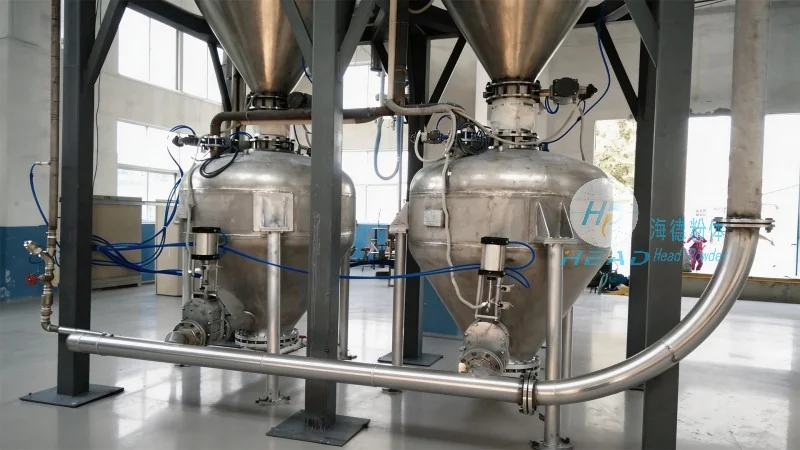
PTFE is a high-performance polymer that offers excellent resistance to chemicals, heat, and abrasion. Its non-porous structure and low surface energy make it ideal for applications where contamination and material degradation must be minimized. However, these same properties can complicate the conveying process. For instance, PTFE's low friction coefficient can lead to material sticking to surfaces, while its tendency to generate static electricity may cause dust or particles to become airborne, posing a risk of explosion or fire in certain environments. Therefore, specialized conveying systems are often required to maintain material integrity and operational safety.
Common PTFE Conveying Methods
Several methods are employed for transporting PTFE materials, each with its own advantages and limitations. The choice of method depends on factors such as material characteristics, processing requirements, and the scale of operation. The primary PTFE conveying methods include gravity flow, mechanical handling, and pneumatic conveying. Each method is briefly discussed below.
1. Gravity Conveying
Gravity conveying involves the use of inclined chutes or hoppers to allow PTFE particles to move under the influence of gravity. This method is simple and cost-effective for transporting bulk PTFE in a dry, free-flowing state. It is particularly suitable for materials that are not prone to caking or agglomeration. However, gravity conveying is limited by the need for a sufficient vertical drop or incline, and it may not be suitable for fine powders or materials with poor flow characteristics. The system typically consists of a hopper at the feed point, an inclined pipe or chute, and a discharge point at the receiving location. The design of the chute must ensure that the PTFE particles maintain a stable flow without bridging or arching, which can be a challenge due to PTFE's cohesive properties.
2. Mechanical Conveying
Mechanical conveying methods use equipment such as screw conveyors, belt conveyors, or bucket elevators to transport PTFE materials. Screw conveyors, for example, are commonly used for moving PTFE powders or granules in a closed system. The screw rotates inside a trough, pushing the material forward. This method is effective for handling bulk PTFE and can be integrated with other processing equipment. However, mechanical conveyors may cause friction and heat generation, which can affect the thermal stability of PTFE. Additionally, the risk of material sticking to the conveyor surface or the screw itself is higher with PTFE due to its low friction coefficient. To mitigate this, materials such as PTFE-coated screws or special lubricants may be used, but these can increase maintenance requirements and costs.
3. PTFE Pneumatic Conveying
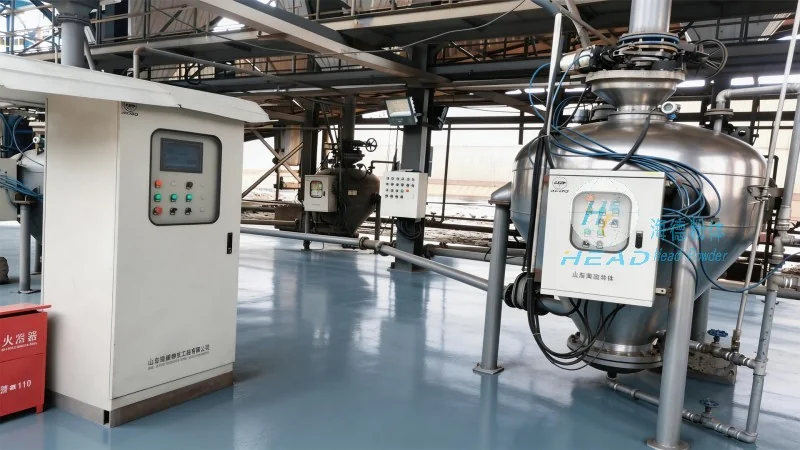
Pneumatic conveying, also known as air conveying, is a widely used method for transporting PTFE materials, especially in applications where dust control and material containment are critical. This method involves using compressed air to move PTFE particles through a pipeline. There are two main types of pneumatic conveying systems: dilute-phase and dense-phase. Dilute-phase systems use low air velocity to transport particles in a dispersed state, while dense-phase systems use higher air velocity and lower pressure to move particles in a slurry-like state. For PTFE, dense-phase conveying is often preferred because it reduces the risk of material degradation and provides better control over the conveying process. The system typically includes a feed hopper, a venturi or blower to generate airflow, and a receiver or discharge point. The compressed air is introduced at the feed end, and the PTFE particles are drawn into the pipeline, moving to the discharge point. Pneumatic conveying offers several advantages for PTFE, including the ability to transport materials over long distances, the reduction of dust exposure, and the ability to handle fine powders or granules that are difficult to convey with other methods.
Advantages of PTFE Pneumatic Conveying
PTFE pneumatic conveying offers numerous benefits that make it an ideal choice for many industrial applications. One of the key advantages is the ability to maintain material integrity. Unlike mechanical conveyors, pneumatic systems do not generate excessive friction or heat, which can degrade the thermal stability of PTFE. This is particularly important for applications where the material must retain its properties, such as in pharmaceutical or food processing. Another advantage is the reduction of dust and airborne particles. PTFE is a fine powder or granule, and conventional conveying methods can lead to significant dust generation, which poses health and safety risks. Pneumatic conveying, especially dense-phase systems, minimizes dust exposure by keeping the material in a controlled flow within the pipeline. This reduces the risk of respiratory issues for operators and prevents contamination of the surrounding environment.
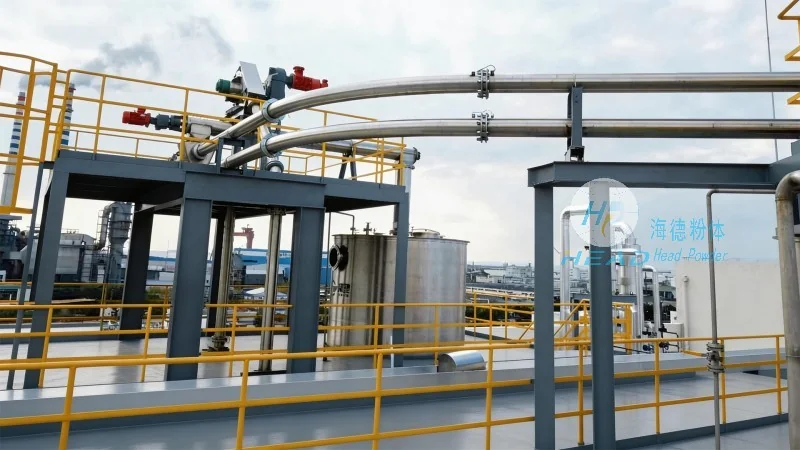
Additionally, pneumatic conveying systems can be designed for enclosed operation, which further enhances safety and environmental control. The enclosed system prevents dust from escaping into the workplace, reducing the risk of explosions or fire in areas where PTFE dust may accumulate. This is particularly important in industries such as chemical processing, where PTFE dust can be a fire hazard. The enclosed design also allows for better control over the conveying process, as the system can be monitored and adjusted to maintain optimal flow rates and pressure.
Applications of PTFE Pneumatic Conveying
PTFE pneumatic conveying is widely used in various industries due to its versatility and effectiveness. In the chemical industry, PTFE is used as a lining material for reactors and pipelines, and pneumatic conveying is used to transport PTFE powders for coating or manufacturing purposes. The pharmaceutical industry also relies on PTFE pneumatic conveying for transporting fine powders used in drug formulations, as the method ensures that the material remains sterile and free from contamination. In the aerospace industry, PTFE is used in high-performance components, and pneumatic conveying is used to transport PTFE granules for manufacturing parts. The automotive industry also uses PTFE in seals and gaskets, and pneumatic conveying is used to transport PTFE powders for coating or blending with other materials.
Conclusion
Choosing the right PTFE conveying method is essential for ensuring efficient and safe material handling. While gravity and mechanical conveying methods have their uses, PTFE pneumatic conveying offers significant advantages, particularly in terms of material integrity, dust control, and enclosed operation. For industries that require high-quality PTFE products and strict safety standards, pneumatic conveying is often the preferred method. As a leading provider of PTFE processing solutions, Shandong HeadPowder Engineering Co., Ltd. specializes in designing and manufacturing PTFE pneumatic conveying systems tailored to the specific needs of each application. With years of experience in the industry, HeadPowder offers reliable and efficient solutions that help businesses optimize their PTFE handling processes and maintain the highest standards of quality and safety.

 Shandong Headpowder Engineering Co., Ltd.
 156-6277-7102(Quản lý Trương)
  0531-83386006
  Thành phố Tế Nam, Tỉnh Sơn Đông, Trung Quốc
Điện thoại
WeChatTư vấn
Lên đầu