Với hơn 10 năm kinh nghiệm về vận chuyển khí nén, Headpowder Sơn Đông cung cấp hệ thống, thiết bị và quạt gió toàn chuỗi, đảm nhận các dự án kỹ thuật bột trọn gói trên toàn quốc.
When it comes to transporting potassium chloride (KCl), various methods are employed across different industries. The choice of a suitable conveying system depends on factors such as material properties, distance, volume, and operational requirements. Among the available options, pneumatic conveying stands out as a highly effective and versatile solution for KCl transport. This article provides an overview of common KCl conveying methods and delves into the key advantages and characteristics of pneumatic conveying technology.
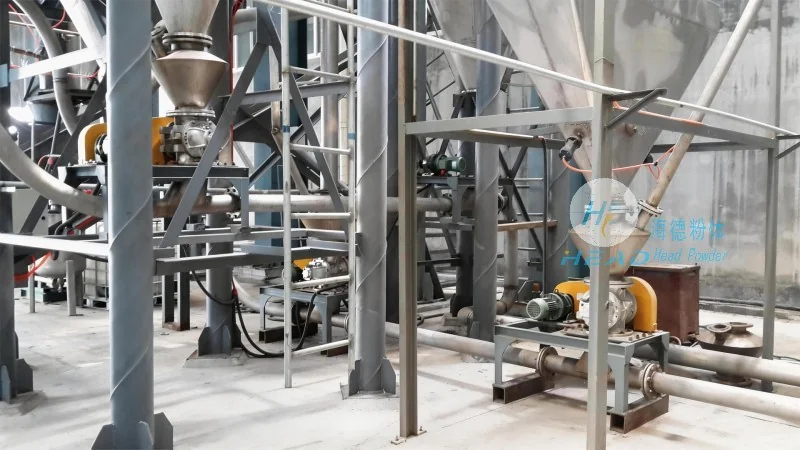
Different Conveying Methods for KCl
Traditional KCl conveying methods include mechanical systems like belt conveyors, screw conveyors, and bucket elevators. These methods are widely used due to their simplicity and cost-effectiveness for short distances and moderate material flow rates. However, they often face limitations when dealing with dusty or abrasive materials, which can lead to wear and maintenance issues. Additionally, mechanical conveyors may not be suitable for high-volume or long-distance transport without significant infrastructure investments.
Principles and Advantages of Pneumatic Conveying for KCl
Pneumatic conveying utilizes air or other gases to transport bulk materials through a pipeline system. In the case of KCl, this method involves creating a flow of air that carries the solid particles, allowing for efficient and continuous movement. The primary advantages of pneumatic conveying for KCl include: enhanced safety by eliminating the need for manual handling of bulk materials, reduced dust generation compared to mechanical systems, and the ability to transport materials over long distances with minimal loss or degradation. Furthermore, pneumatic systems can handle a wide range of particle sizes and moisture contents, making them adaptable to diverse KCl applications.
Key Features of Pneumatic Conveying for KCl
One of the most significant features of pneumatic conveying is its ability to maintain material integrity. Unlike mechanical conveyors that may cause abrasion or breakage, pneumatic systems minimize particle damage, which is crucial for maintaining the quality of KCl, especially in applications where the material is used as a fertilizer or chemical feedstock. Another key feature is the flexibility of pneumatic systems, which can be easily scaled up or down to accommodate varying production demands. This adaptability makes them ideal for both small-scale and large-scale KCl operations.
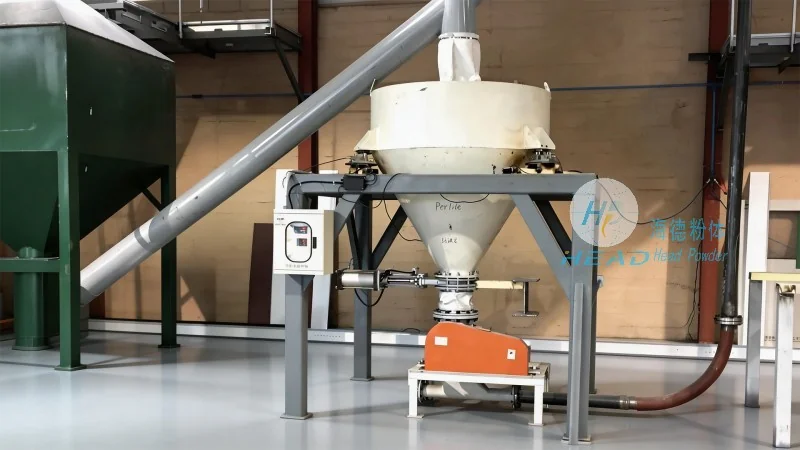
System Components and Operational Efficiency
A typical pneumatic conveying system for KCl consists of a hopper, a feeder, a pipeline network, and a receiver. The hopper stores the KCl, while the feeder controls the flow rate into the pipeline. The pipeline is designed to handle the air and material flow, with appropriate valves and controls to regulate the conveying process. The receiver collects the KCl at the destination. This integrated system ensures smooth and continuous operation, reducing downtime and increasing overall productivity. Moreover, pneumatic conveying can be integrated with other processing equipment, such as storage silos or mixing units, to form a comprehensive material handling solution.
Application Scenarios and Practical Implications
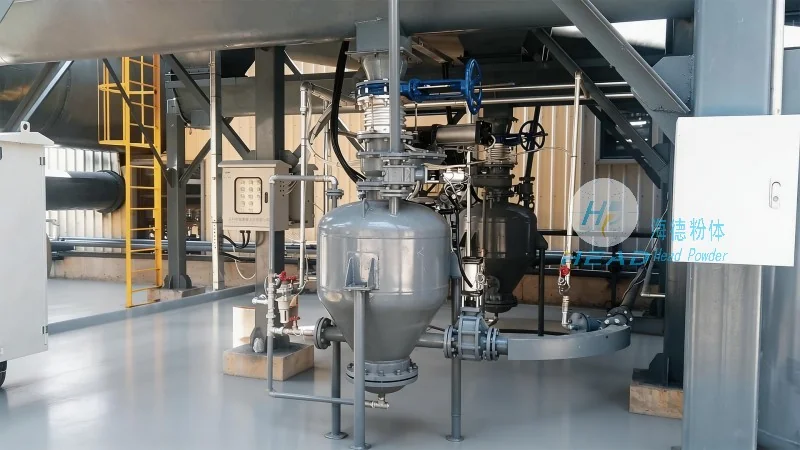
In industrial settings, pneumatic conveying is commonly used in the fertilizer, chemical, and food processing industries for KCl transport. For example, in fertilizer production, KCl is often mixed with other nutrients and conveyed to storage or packaging facilities. The efficiency of pneumatic systems ensures that the material is delivered quickly and without contamination, meeting the demands of modern agricultural operations. Similarly, in chemical processing, KCl is used as a raw material in various reactions, and pneumatic conveying facilitates its precise and controlled addition to reactors.
Maintenance and Cost-Effectiveness
While initial investment in pneumatic conveying systems may be higher than for mechanical conveyors, the long-term benefits often outweigh the costs. The reduced maintenance requirements and lower labor costs associated with pneumatic systems make them economically viable for large-scale operations. Additionally, the ability to handle dusty or corrosive materials without significant wear on components extends the lifespan of the equipment. Regular maintenance, such as cleaning the pipeline and checking air pressure, is essential to ensure optimal performance, but the overall maintenance burden is generally lower compared to mechanical systems.
About Shandong HeadPowder Engineering Co., Ltd.
Shandong HeadPowder Engineering Co., Ltd., a leading provider of material handling solutions, specializes in designing and manufacturing advanced pneumatic conveying systems tailored to the needs of the KCl industry. With a focus on innovation and quality, the company has established itself as a trusted partner for businesses seeking efficient and reliable KCl transport solutions. HeadPowder's expertise in pneumatic technology ensures that their systems are optimized for performance, durability, and cost-effectiveness, helping clients achieve their operational goals while maintaining the highest standards of safety and material integrity.

 Shandong Headpowder Engineering Co., Ltd.
 156-6277-7102(Quản lý Trương)
  0531-83386006
  Thành phố Tế Nam, Tỉnh Sơn Đông, Trung Quốc
Điện thoại
WeChatTư vấn
Lên đầu