Với hơn 10 năm kinh nghiệm về vận chuyển khí nén, Headpowder Sơn Đông cung cấp hệ thống, thiết bị và quạt gió toàn chuỗi, đảm nhận các dự án kỹ thuật bột trọn gói trên toàn quốc.
When it comes to handling and transporting titanium dioxide, selecting the right conveying method is crucial for efficiency, cost-effectiveness, and product integrity. As a leading manufacturer in the field, Shandong HeadPowder Engineering Co., Ltd. (commonly known as HeadPowder) understands the importance of choosing appropriate systems tailored to specific industrial needs. This article explores the various titanium dioxide conveying methods, providing insights into their applications, advantages, and considerations for optimal material handling.
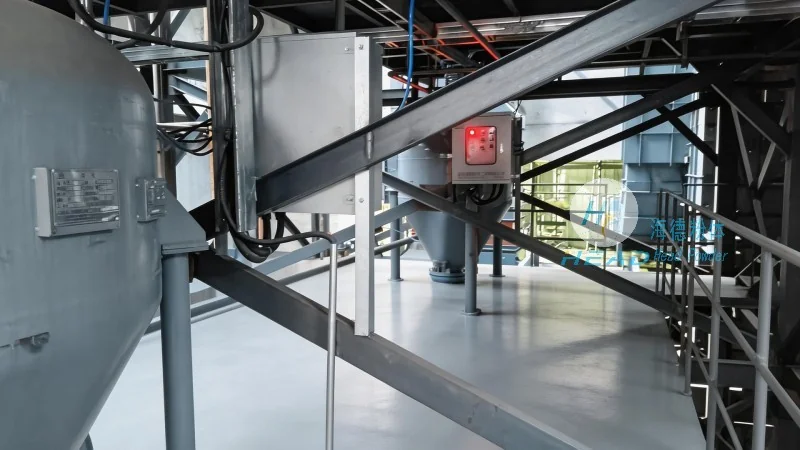
1. Air-Pressure Conveying Systems
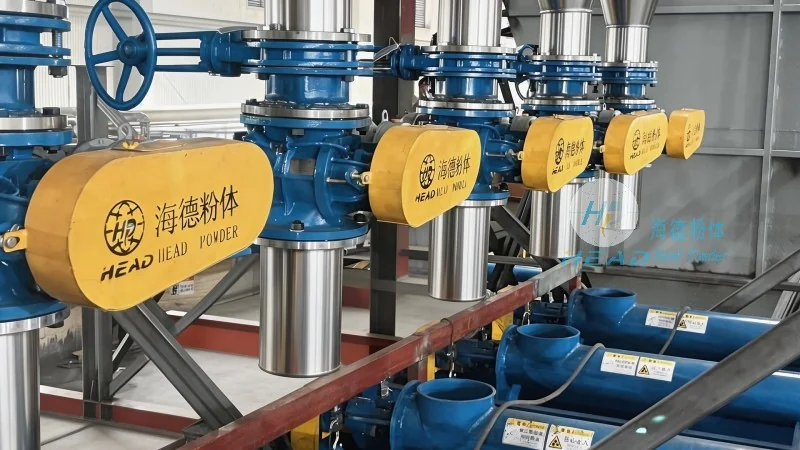
Air-pressure conveying, also known as pneumatic conveying, is a widely used method for transporting titanium dioxide. This technique utilizes compressed air to move the powder through a pipeline system. There are two main types: pressure and vacuum systems. Pressure systems push the material forward using compressed air, while vacuum systems draw the material into the system. The choice between these depends on factors such as the distance to be covered, the volume of material, and the need for dust control. For HeadPowder, pneumatic conveying is often preferred for its ability to handle fine powders like titanium dioxide without the need for mechanical components that might cause contamination or wear. The system can be designed with flexible hoses or rigid pipes, allowing for easy integration into existing production lines. Additionally, pneumatic conveying offers advantages like reduced maintenance compared to mechanical systems and the ability to transport materials over long distances with minimal loss. However, it requires careful control of air pressure and flow rates to prevent clogging or degradation of the powder.
2. Mechanical Conveying Systems
Mechanical conveying systems rely on mechanical components such as belts, screws, and buckets to move titanium dioxide. These methods are typically used for bulk material handling and are suitable for applications where the material is not too fine or where high volumes need to be transported. For instance, bucket elevators are commonly used to lift titanium dioxide vertically, while screw conveyors are effective for horizontal or slight incline transport. HeadPowder may employ mechanical conveyors in scenarios where the titanium dioxide is in a semi-solid or agglomerated form, as these systems can handle larger particles more efficiently than pneumatic methods. Mechanical conveyors are generally more cost-effective for short to medium distances and for materials that are less prone to dust generation. However, they may require more maintenance due to moving parts and can sometimes cause particle attrition, which might affect the quality of the titanium dioxide. The choice of mechanical system depends on the specific characteristics of the titanium dioxide, such as particle size distribution and moisture content.
3. Hydraulic Conveying Systems
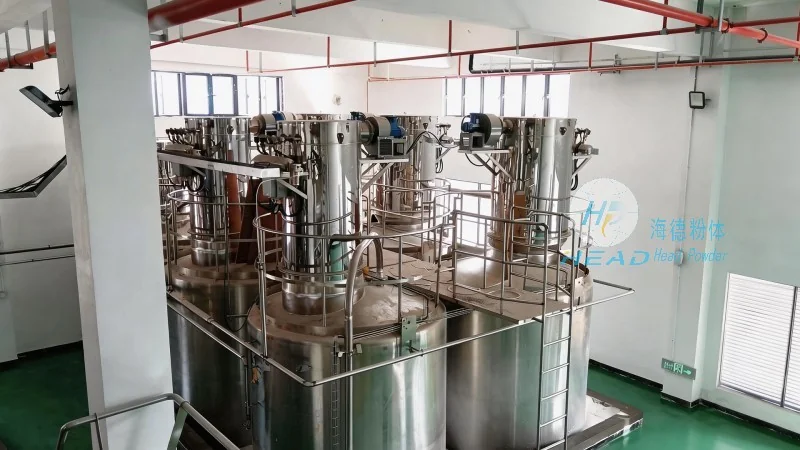
Hydraulic conveying systems use water or other liquids to transport titanium dioxide. This method is particularly useful for handling very fine powders or when the material needs to be transported in a slurry form. The powder is mixed with water to create a slurry, which is then pumped through pipelines. Hydraulic systems are often employed in industries where the titanium dioxide is used in a wet process, such as in the production of pigments or coatings. HeadPowder may utilize hydraulic conveying for applications that require the material to be transported in a controlled, low-dust environment. The main advantage of hydraulic systems is their ability to handle high volumes of material with minimal pressure loss. However, they require additional equipment for slurry preparation and separation, which can increase operational costs. The system also needs to be designed to prevent clogging and to ensure that the water is properly recycled or disposed of, as water usage is a key consideration in the process.
4. Vacuum Conveying Systems
Vacuum conveying is a type of pneumatic conveying that uses a vacuum to draw the titanium dioxide into the system. This method is ideal for applications where the material needs to be transported from a low point to a higher point or where the material is sensitive to pressure changes. The vacuum system creates a negative pressure that pulls the powder into the pipeline, making it suitable for handling fine powders that might be prone to dusting. HeadPowder may use vacuum conveyors in scenarios where the titanium dioxide is stored in containers or hoppers that are at a lower elevation than the processing equipment. The system can be designed with multiple collection points, allowing for the collection of material from various locations and centralizing it for processing. Vacuum conveying offers advantages such as low noise levels and the ability to handle materials that are difficult to move with other methods. However, it may have limitations in terms of the distance it can effectively transport material, as the vacuum pressure decreases with distance. The system also requires regular maintenance of the vacuum pump and filters to ensure efficient operation.
5. Combination Conveying Systems
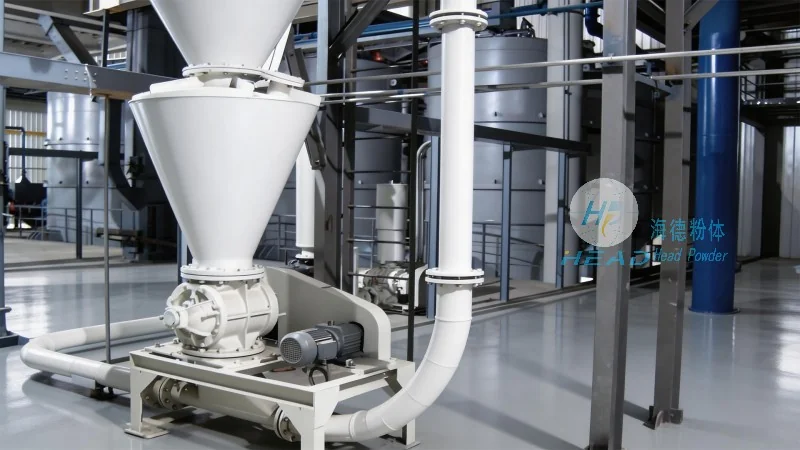
In many industrial settings, a single conveying method may not be sufficient to meet all the requirements for titanium dioxide transport. Therefore, combination systems are often used, integrating different types of conveyors to achieve optimal performance. For example, a system might start with a vacuum conveyor to collect the titanium dioxide from a hopper and then switch to a pressure conveyor to transport it to the processing plant. HeadPowder may employ combination systems in large-scale production facilities where the material needs to be handled over long distances and through multiple stages of processing. These systems allow for flexibility in handling different particle sizes and moisture levels, ensuring that the titanium dioxide is transported efficiently and without degradation. The design of combination systems requires careful planning to ensure smooth transitions between different components and to maintain consistent material flow. This approach maximizes the benefits of each conveying method while minimizing the drawbacks, leading to improved overall operational efficiency.

 Shandong Headpowder Engineering Co., Ltd.
 156-6277-7102(Quản lý Trương)
  0531-83386006
  Thành phố Tế Nam, Tỉnh Sơn Đông, Trung Quốc
Điện thoại
WeChatTư vấn
Lên đầu