Với hơn 10 năm kinh nghiệm về vận chuyển khí nén, Headpowder Sơn Đông cung cấp hệ thống, thiết bị và quạt gió toàn chuỗi, đảm nhận các dự án kỹ thuật bột trọn gói trên toàn quốc.
Nitrile rubber, a synthetic polymer renowned for its exceptional resistance to oil, fuel, and various chemicals, is widely utilized in industrial applications such as seals, gaskets, and hoses. The efficient and safe transportation of nitrile rubber materials from storage to processing units is essential for maintaining production efficiency and ensuring product quality. This article explores various conveying methods tailored for nitrile rubber, highlighting key considerations and practical applications.
Key Factors Influencing Conveying Method Selection
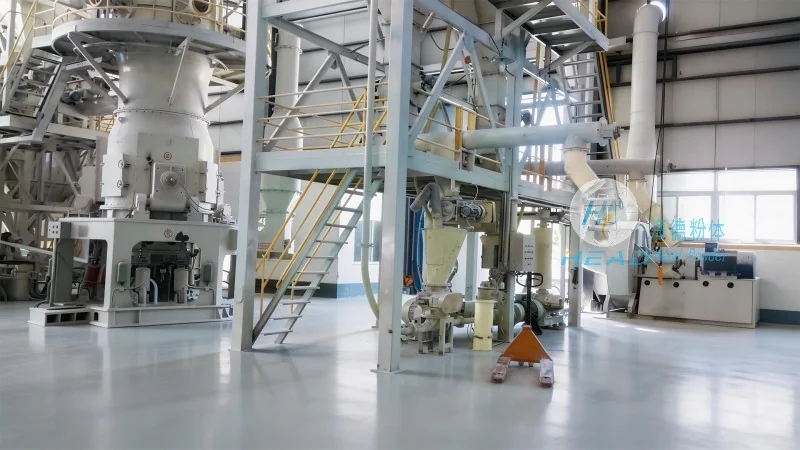
When selecting a conveying method for nitrile rubber, several critical factors must be considered to ensure optimal performance and material integrity. These factors include the material's physical properties (e.g., viscosity, abrasiveness), the distance and height of the transfer, the required flow rate, and the environmental conditions (e.g., temperature, humidity). Additionally, the need for minimal contamination, energy efficiency, and ease of maintenance are vital considerations that influence the choice of conveying system. Understanding these factors helps in selecting the most suitable method for specific industrial settings.
Common Conveying Methods for Nitrile Rubber
Several conveying methods are commonly employed for nitrile rubber, each with distinct advantages and limitations. The primary methods include mechanical conveying (e.g., screw conveyors, belt conveyors), pneumatic conveying (e.g., vacuum and pressure systems), and hydraulic systems. Each method is suited to different operational requirements and material characteristics.
1. Screw Conveyors for Nitrile Rubber
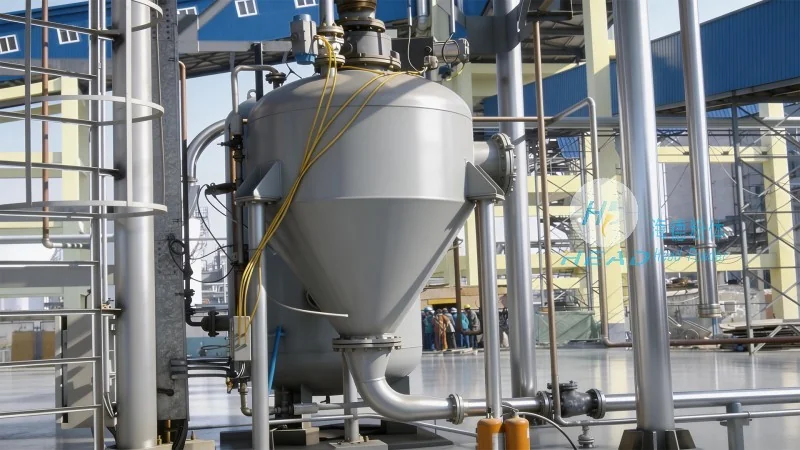
Screw conveyors are widely used for the horizontal or slightly inclined transport of nitrile rubber. These systems consist of a rotating screw (auger) inside a trough, which moves the material forward. Screw conveyors are particularly effective for handling bulk nitrile rubber, providing a continuous and controlled flow. They are also suitable for materials with moderate abrasiveness, as the screw and trough are typically made of corrosion-resistant materials like stainless steel or specialized alloys. The design of the screw (e.g., pitch, flight angle) can be adjusted to optimize conveying speed and reduce material degradation. For example, a slow-speed screw with a shallow pitch is ideal for handling sticky or viscous nitrile rubber, preventing blockages and ensuring smooth operation.
2. Belt Conveyors for Nitrile Rubber Handling
Belt conveyors are another common option for nitrile rubber transport, especially in applications requiring longer distances or elevated transport. These systems use a continuous belt that moves over rollers or pulleys, transporting the material from one point to another. Belt conveyors are suitable for both dry and slightly wet nitrile rubber, as the belt material can be selected to match the material's properties. For instance, a rubber or PVC belt can be used to prevent material adhesion and ensure smooth movement. The speed and inclination of the belt can be adjusted to control the flow rate and prevent material spillage. Belt conveyors are also easy to integrate with other processing equipment, making them a versatile choice for nitrile rubber handling.
3. Pneumatic Conveying Systems for Nitrile Rubber
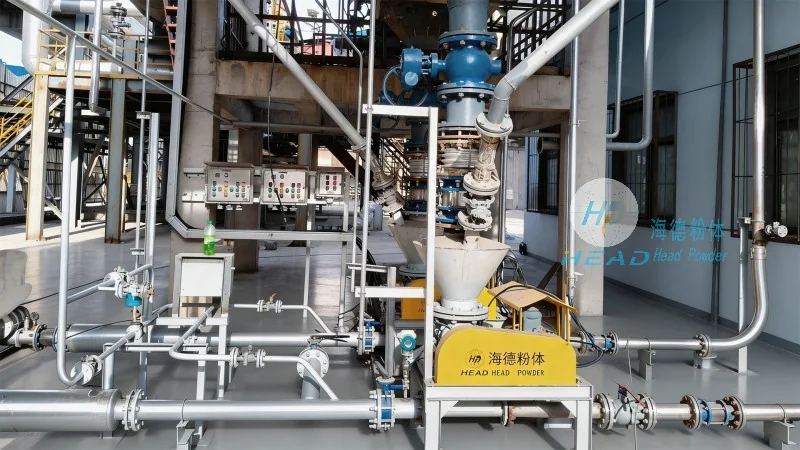
Pneumatic conveying systems use air or other gases to transport nitrile rubber particles or granules. These systems are divided into two main types: vacuum and pressure systems. Vacuum systems draw material from a hopper or storage bin into a conveying line using a vacuum pump, while pressure systems force material through the line using compressed air. Pneumatic conveying is particularly effective for handling fine or powdery nitrile rubber, as it can transport materials over long distances without the need for mechanical components that might cause contamination or wear. The system design, including the size of the ducts and the air velocity, is critical to ensure efficient and reliable transport. For example, a low-pressure vacuum system is suitable for transporting nitrile rubber from a storage silo to a processing unit, while a high-pressure system may be used for shorter, more demanding transport tasks.
4. Hydraulic Conveying for Specialized Nitrile Rubber Applications
Hydraulic conveying systems use fluid pressure to move nitrile rubber materials, typically in the form of slurry or paste. These systems are less common for nitrile rubber but are used in specialized applications where other methods are not feasible. Hydraulic conveyors consist of a pump, a hydraulic line, and a nozzle or distributor that delivers the material to the processing unit. The system is capable of handling high-viscosity nitrile rubber and can transport materials over significant vertical distances. However, hydraulic systems require regular maintenance and are more complex to operate compared to mechanical or pneumatic systems. They are often used in industries where the material's properties demand a high degree of control and precision.
Choosing the Right Conveying System for Your Nitrile Rubber Operations
Selecting the appropriate conveying system for nitrile rubber requires a thorough evaluation of the specific operational needs and material characteristics. It is essential to consider factors such as the material's flowability, the required throughput, the distance and height of the transfer, and the environmental constraints. Additionally, the cost of installation, operation, and maintenance should be weighed against the benefits of each system. For example, a screw conveyor may be the most cost-effective solution for short-distance horizontal transport of bulk nitrile rubber, while a pneumatic system may be preferred for long-distance transport of fine particles. Consulting with industry experts or suppliers, such as Shandong HeadPowder Engineering Co., Ltd., can provide valuable insights into the most suitable conveying method for your specific application.
Conclusion
The efficient conveyance of nitrile rubber is a critical aspect of industrial operations, directly impacting production efficiency and product quality. By understanding the various conveying methods and their applications, manufacturers can select the most appropriate system to meet their operational requirements. Whether using screw, belt, pneumatic, or hydraulic conveyors, the key is to ensure that the chosen method maintains the material's integrity, minimizes contamination, and operates with high efficiency. With the right system in place, nitrile rubber can be transported safely and effectively, supporting the smooth operation of industrial processes.

 Shandong Headpowder Engineering Co., Ltd.
 156-6277-7102(Quản lý Trương)
  0531-83386006
  Thành phố Tế Nam, Tỉnh Sơn Đông, Trung Quốc
Điện thoại
WeChatTư vấn
Lên đầu