Với hơn 10 năm kinh nghiệm về vận chuyển khí nén, Headpowder Sơn Đông cung cấp hệ thống, thiết bị và quạt gió toàn chuỗi, đảm nhận các dự án kỹ thuật bột trọn gói trên toàn quốc.
When it comes to transporting magnesium oxide, selecting the right method is crucial for ensuring efficiency, safety, and cost-effectiveness in industrial operations. Magnesium oxide, commonly known as magnesia, is a white solid widely used in various industries such as construction, chemical manufacturing, and pharmaceuticals. Its handling and transportation require specialized equipment and techniques due to its properties, including its fine particle size and potential for dust generation. This article explores the primary methods of magnesium oxide conveyance, with a particular focus on the benefits and characteristics of pneumatic conveying systems.
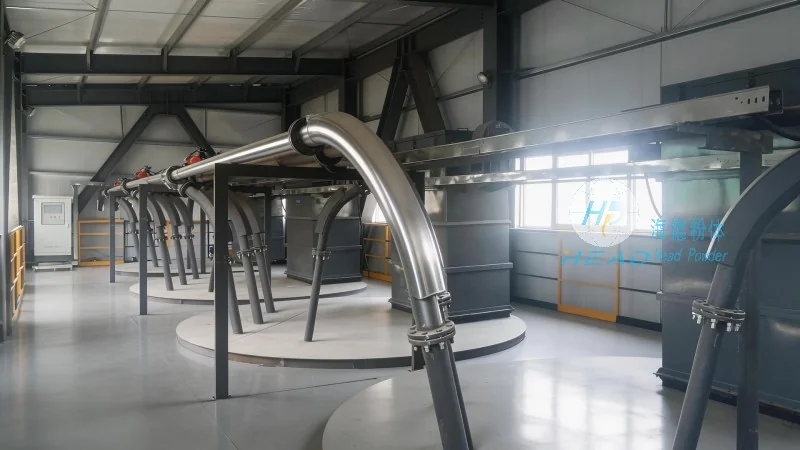
Overview of Magnesium Oxide Conveying Methods
There are several conventional methods used for transporting bulk materials like magnesium oxide, including mechanical conveying systems, such as belt conveyors, screw conveyors, and bucket elevators. These systems are effective for horizontal or slight incline transport but may face challenges with fine powders, which can lead to blockages, increased wear on components, and reduced efficiency. Additionally, mechanical systems often require more maintenance and may not be suitable for long-distance or complex route conveyance. Another method is gravity flow, where materials are allowed to move down chutes under the force of gravity. While simple and low-cost, gravity flow is limited by the need for a suitable topography and is not suitable for fine powders that may settle or clog the chute. Finally, vacuum or pressure systems can be employed, but these often involve complex setups and higher energy consumption.
Pneumatic Conveying: The Preferred Solution for Magnesium Oxide
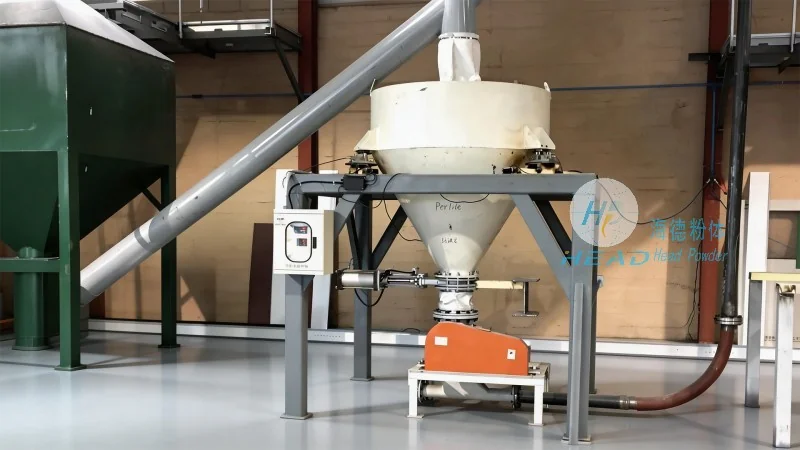
Pneumatic conveying has emerged as the preferred method for transporting magnesium oxide due to its numerous advantages over traditional mechanical systems. This technology uses air or other gases to move the material through a pipeline system, eliminating the need for mechanical components that can cause wear and tear. The key components of a pneumatic conveying system include a hopper, a feeder, a conveying line, and a receiver. The material is fed into the system from the hopper, and the feeder controls the flow rate. Compressed air is then introduced to transport the material through the pipeline to the receiver, where it is collected. This process allows for efficient, continuous, and safe transport of magnesium oxide, even over long distances and through complex layouts.
Advantages of Pneumatic Conveying for Magnesium Oxide
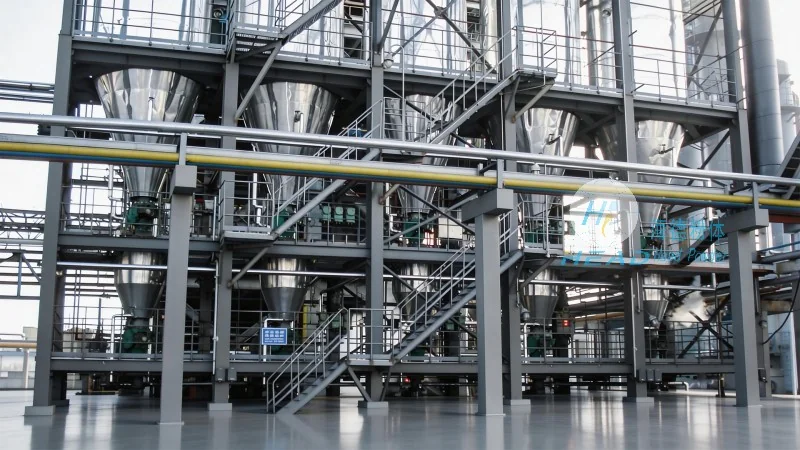
One of the most significant advantages of pneumatic conveying is its ability to handle fine powders without the risk of blockages or clogging. Magnesium oxide particles are typically small and can easily adhere to surfaces, making mechanical systems prone to issues. Pneumatic systems, by contrast, use air to keep the particles suspended, preventing them from settling and ensuring smooth flow. This reduces downtime and maintenance costs, as there is less risk of equipment failure due to material buildup. Another advantage is the flexibility of the system. Pneumatic conveying can be easily adapted to different distances and layouts, allowing for changes in the production process without major modifications. It also provides better control over the material flow rate, which is essential for maintaining consistent quality in downstream processes. Furthermore, pneumatic systems are generally more hygienic and easier to clean, which is important for industries where product purity is critical, such as pharmaceuticals or food processing.
Key Features of Pneumatic Conveying Systems for Magnesium Oxide
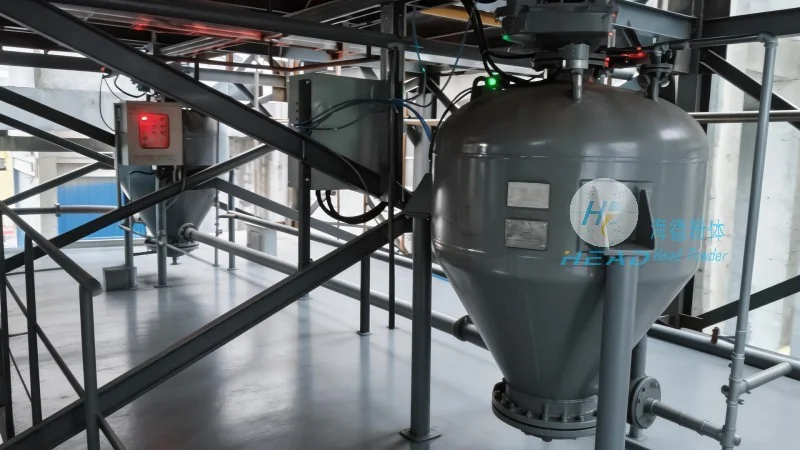
When considering pneumatic conveying for magnesium oxide, several key features should be evaluated to ensure optimal performance. The first is the type of conveying system, which can be classified as dilute-phase or dense-phase. Dilute-phase systems use higher air velocities to keep particles suspended, making them suitable for short distances and low material loads. Dense-phase systems, on the other hand, use lower air velocities and higher material concentrations, making them ideal for long-distance transport and high material loads. The choice between these systems depends on the specific application and distance requirements. Another important feature is the material handling capacity, which determines how much magnesium oxide can be transported per unit time. This is influenced by factors such as the air pressure, the size of the conveying line, and the feeder design. Additionally, the system's ability to handle variations in material properties, such as moisture content or particle size distribution, is crucial for maintaining consistent performance. Finally, the energy efficiency of the system should be considered, as higher energy consumption can increase operational costs. Modern pneumatic conveying systems often incorporate advanced technologies, such as variable speed drives and optimized air flow control, to improve energy efficiency and reduce operating costs.
Conclusion
In conclusion, pneumatic conveying is the most effective method for transporting magnesium oxide due to its ability to handle fine powders, provide flexibility, and ensure safety and efficiency. While other methods like mechanical or gravity flow have their uses, they often fall short in meeting the specific requirements of magnesium oxide handling. The advantages of pneumatic conveying, including reduced maintenance, improved control, and better hygiene, make it the preferred choice for many industrial applications. As the demand for magnesium oxide continues to grow, the adoption of advanced pneumatic conveying systems will play a critical role in ensuring efficient and reliable material transport. Shandong HeadPowder Engineering Co., Ltd., a leading provider of material handling solutions, specializes in designing and manufacturing high-quality pneumatic conveying systems tailored to the needs of various industries. With a focus on innovation and customer satisfaction, the company offers customized solutions that enhance the performance and safety of magnesium oxide transportation. Based in Shandong, China, HeadPowder Engineering leverages years of experience and cutting-edge technology to deliver reliable and efficient conveying systems for its clients worldwide.

 Shandong Headpowder Engineering Co., Ltd.
 156-6277-7102(Quản lý Trương)
  0531-83386006
  Thành phố Tế Nam, Tỉnh Sơn Đông, Trung Quốc
Điện thoại
WeChatTư vấn
Lên đầu