Với hơn 10 năm kinh nghiệm về vận chuyển khí nén, Headpowder Sơn Đông cung cấp hệ thống, thiết bị và quạt gió toàn chuỗi, đảm nhận các dự án kỹ thuật bột trọn gói trên toàn quốc.
Calcium carbonate is a widely used industrial material, and its efficient transportation is crucial for various production processes. The choice of conveying method directly impacts operational efficiency, cost, and material quality. This article explores the different methods of calcium carbonate conveying, with a focus on the advantages and features of pneumatic conveying, a modern and effective solution for handling this material.
Calcium Carbonate Conveying Methods Overview
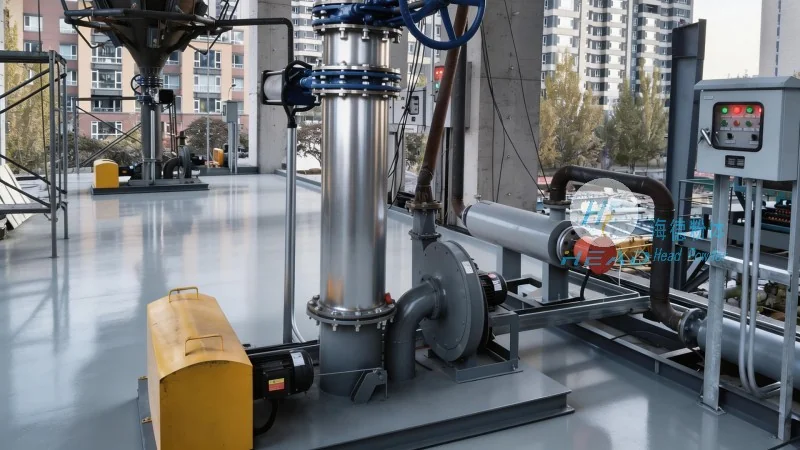
There are several conventional methods for transporting calcium carbonate, including belt conveyors, screw conveyors, and bucket elevators. These methods have been widely used in the industry for many years. However, they often face challenges such as material degradation, high energy consumption, and limited flexibility in handling different particle sizes and moisture content. In contrast, pneumatic conveying offers a more advanced and versatile approach to moving calcium carbonate, especially in applications requiring high precision and minimal material loss.
Traditional Conveying Methods vs. Pneumatic Conveying
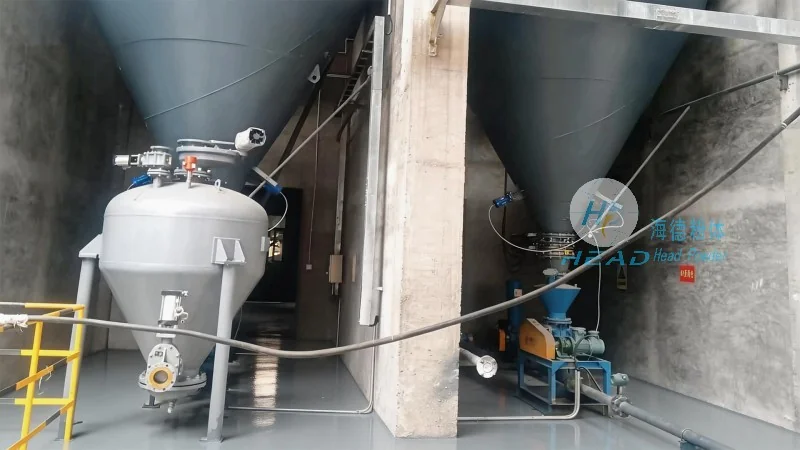
Traditional mechanical conveyors rely on physical contact with the material to move it. This can lead to issues like abrasion, which may affect the quality of the calcium carbonate particles. Additionally, these systems may struggle with handling fine powders or materials with high moisture content, potentially causing blockages or increased maintenance costs. Pneumatic conveying, on the other hand, uses air pressure to transport the material through a pipeline. This method eliminates the need for physical contact, reducing wear and tear on both the material and the equipment. It also provides better control over the conveying process, allowing for adjustments based on the specific characteristics of the calcium carbonate being handled.
The Advantages of Pneumatic Conveying for Calcium Carbonate
One of the primary advantages of pneumatic conveying for calcium carbonate is its ability to handle fine powders and maintain particle integrity. Unlike mechanical conveyors that can crush or degrade the material, pneumatic systems can transport calcium carbonate with minimal impact, preserving its quality for downstream processes. This is particularly important in applications where the purity and particle size distribution of calcium carbonate are critical, such as in the production of coatings, plastics, and pharmaceuticals. Furthermore, pneumatic conveying systems are more energy-efficient compared to traditional methods, as they use compressed air to move the material, reducing overall operational costs.
Key Features of Pneumatic Conveying Systems for Calcium Carbonate
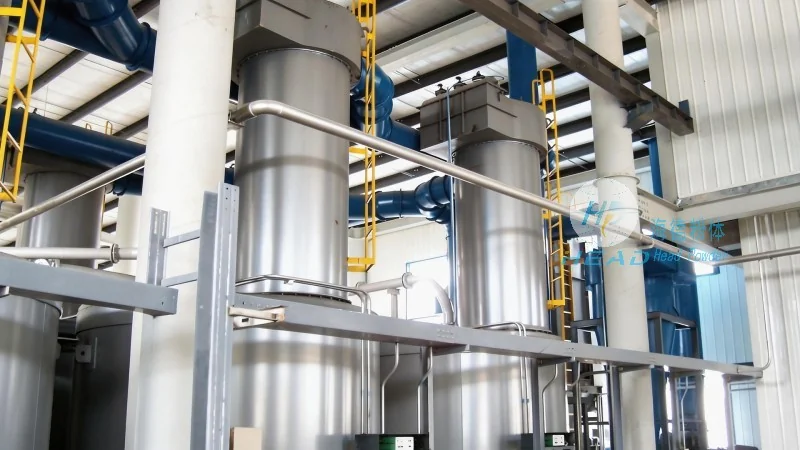
Modern pneumatic conveying systems for calcium carbonate are equipped with several key features that enhance their performance and reliability. These include variable speed drives, which allow for precise control over the conveying rate, and advanced filtration systems to prevent dust and particles from escaping into the environment. The systems also often incorporate self-cleaning mechanisms to maintain optimal performance over time, reducing downtime and maintenance requirements. Additionally, many pneumatic conveying solutions are designed to be modular, enabling easy integration with existing production lines and scalability to meet growing demand.
Application Scenarios and Practical Benefits
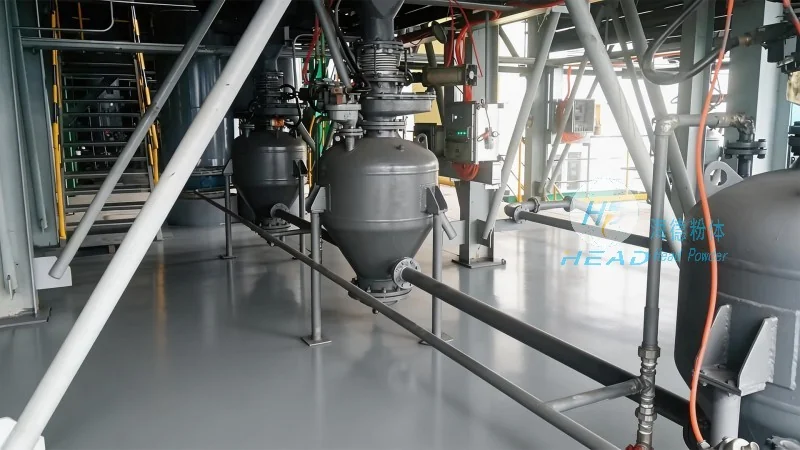
Pneumatic conveying is particularly well-suited for applications involving the transport of calcium carbonate in large volumes or over long distances. It is commonly used in industries such as construction, where calcium carbonate is used as a filler in cement and concrete, and in the chemical industry, where it serves as a raw material for various products. The practical benefits of using pneumatic conveying include improved safety, as the material is contained within a closed system, reducing the risk of dust exposure and environmental contamination. It also enhances operational flexibility, allowing for the easy transfer of calcium carbonate between different processing stages without the need for complex reconfiguration of the system.
Shandong HeadPowder Engineering Co., Ltd., a leading provider of material handling solutions, specializes in the design and implementation of pneumatic conveying systems tailored to the needs of calcium carbonate producers. With years of experience in the industry, HeadPowder offers customized solutions that optimize the conveying process while ensuring compliance with safety and environmental standards. The company's expertise in material flow engineering and system integration ensures that clients receive efficient, reliable, and cost-effective conveying systems that meet their specific requirements. Based in Shandong, China, HeadPowder serves a global market, providing high-quality equipment and technical support to customers worldwide.

 Shandong Headpowder Engineering Co., Ltd.
 156-6277-7102(Quản lý Trương)
  0531-83386006
  Thành phố Tế Nam, Tỉnh Sơn Đông, Trung Quốc
Điện thoại
WeChatTư vấn
Lên đầu