Với hơn 10 năm kinh nghiệm về vận chuyển khí nén, Headpowder Sơn Đông cung cấp hệ thống, thiết bị và quạt gió toàn chuỗi, đảm nhận các dự án kỹ thuật bột trọn gói trên toàn quốc.
When it comes to handling and transporting catalyst powders, selecting the right conveying method is crucial for maintaining product integrity, ensuring operational efficiency, and minimizing risks. As a leading provider in the field, Shandong HeadPowder Engineering Co., Ltd. (referred to as HeadPowder) offers expertise in various catalyst powder conveying solutions tailored to different industrial needs. This article delves into the primary methods used for catalyst powder transport, highlighting their advantages, applications, and considerations for optimal performance.
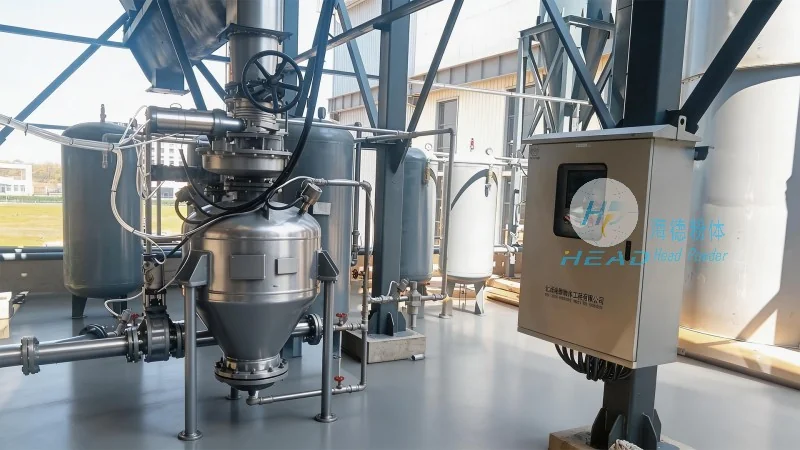
1. Air-Pressure Conveying Systems
Air-pressure conveying, also known as pneumatic conveying, is a widely adopted method for catalyst powder transport due to its ability to handle fine powders with minimal product degradation. This system utilizes compressed air to move the powder through a pipeline network. There are two main types: pressure and vacuum systems. Pressure systems are ideal for short to medium-distance transport, where the material is fed into a pressurized pipeline and propelled by air. Vacuum systems, on the other hand, draw the powder into a vacuum line, making them suitable for longer distances or when the material needs to be collected from multiple points. HeadPowder specializes in designing customized air-pressure conveying systems that ensure consistent flow rates, prevent clogging, and maintain the catalyst's activity and purity. The company's engineering team considers factors such as powder characteristics (e.g., particle size, moisture content), system layout, and required throughput when selecting the appropriate pneumatic conveying solution.
2. Mechanical Conveying Methods
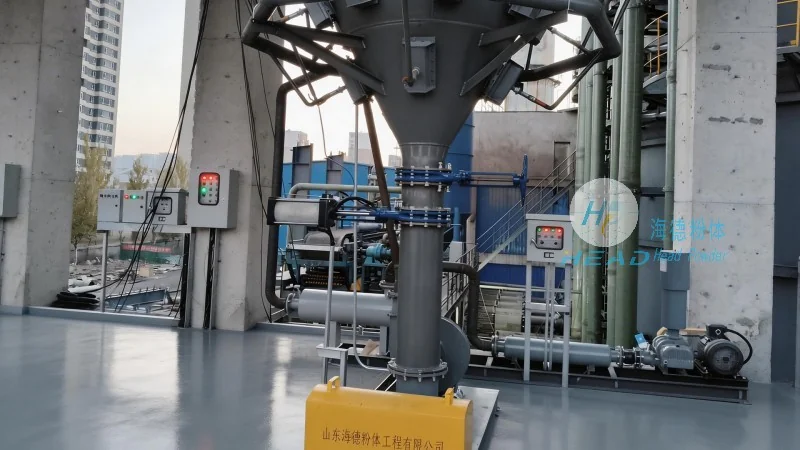
For applications where air-pressure systems are not feasible or when handling bulk quantities of catalyst powder, mechanical conveying methods are often preferred. These systems rely on mechanical forces to move the material, such as gravity, screw, or belt conveyors. Screw conveyors, for instance, use a rotating screw to push the powder forward, making them suitable for horizontal or slight incline transport. They are particularly effective for transporting cohesive or sticky catalyst powders, as the screw's design prevents material buildup and ensures smooth flow. Belt conveyors, on the other hand, use a continuous belt to transport the powder, ideal for long-distance horizontal transport. HeadPowder offers tailored mechanical conveying solutions that integrate with existing processing lines, ensuring seamless integration and efficient material handling. The company's engineers evaluate the material's properties, such as bulk density and flowability, to select the most suitable mechanical conveyor type, optimizing both performance and cost-effectiveness.
3. Hydraulic Conveying
Hydraulic conveying systems use water or other liquids to transport catalyst powders, particularly in industries where the material is highly abrasive or requires gentle handling. This method is commonly used in the chemical and pharmaceutical sectors where product integrity is paramount. The powder is mixed with the liquid to form a slurry, which is then pumped through a pipeline. Hydraulic conveying offers advantages such as the ability to handle high concentrations of solids and reduce dust emissions. However, it requires careful maintenance to prevent clogging and ensure the liquid's quality. HeadPowder provides hydraulic conveying solutions that are designed to handle abrasive catalyst powders, with features like robust pump systems and anti-clogging mechanisms. The company's expertise in hydraulic systems ensures that the conveying process is efficient, reliable, and compliant with industry standards.
4. Combination Conveying Systems
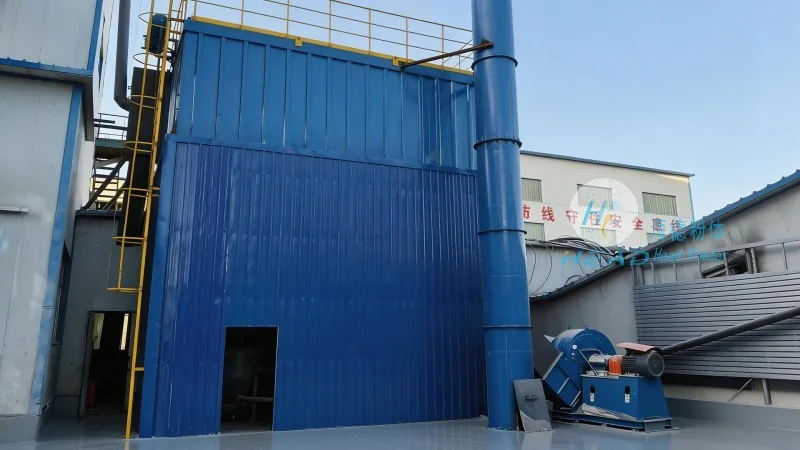
In many industrial applications, a single conveying method may not be sufficient to meet all operational requirements. HeadPowder recognizes this and offers combination conveying systems that integrate multiple technologies to achieve optimal performance. For example, a system might combine pneumatic and mechanical conveying to handle different stages of the process, such as transporting the powder from a storage silo to a processing unit using a pneumatic system, and then transferring it to a reactor using a screw conveyor. These hybrid systems allow for flexibility and adaptability, ensuring that the catalyst powder is handled efficiently at every stage. HeadPowder's engineering team designs combination systems based on the specific needs of each client, considering factors like material flow rates, distance, and process integration. By leveraging the strengths of multiple conveying methods, these systems provide enhanced reliability and reduced downtime.
5. Factors to Consider When Choosing a Conveying Method
When selecting a catalyst powder conveying method, several factors must be taken into account to ensure the best results. First, the physical properties of the catalyst powder, such as particle size, moisture content, and flowability, play a critical role. Fine powders with high moisture content may require air-pressure systems with moisture control features to prevent caking. Second, the distance and layout of the transport route influence the choice of system. Short distances may benefit from pressure pneumatic systems, while longer distances might require vacuum systems or mechanical conveyors. Third, the required throughput and system capacity must be matched to the conveying method. Overloading a system can lead to clogging and reduced efficiency. Fourth, the need for product purity and integrity is a key consideration. Systems that minimize dust generation and product degradation, such as enclosed pneumatic conveyors, are preferred in industries where catalyst quality is critical. HeadPowder's expertise in evaluating these factors ensures that clients receive tailored conveying solutions that meet their specific operational and quality requirements.

 Shandong Headpowder Engineering Co., Ltd.
 156-6277-7102(Quản lý Trương)
  0531-83386006
  Thành phố Tế Nam, Tỉnh Sơn Đông, Trung Quốc
Điện thoại
WeChatTư vấn
Lên đầu