Với hơn 10 năm kinh nghiệm về vận chuyển khí nén, Headpowder Sơn Đông cung cấp hệ thống, thiết bị và quạt gió toàn chuỗi, đảm nhận các dự án kỹ thuật bột trọn gói trên toàn quốc.
For industries dealing with polypropylene (PP) pellets, efficient and reliable conveying systems are crucial for maintaining production flow and ensuring product quality. The choice of conveying method depends on various factors such as material characteristics, production scale, and operational environment. This article explores several common methods used for polypropylene pellet conveying, highlighting their applications and advantages.
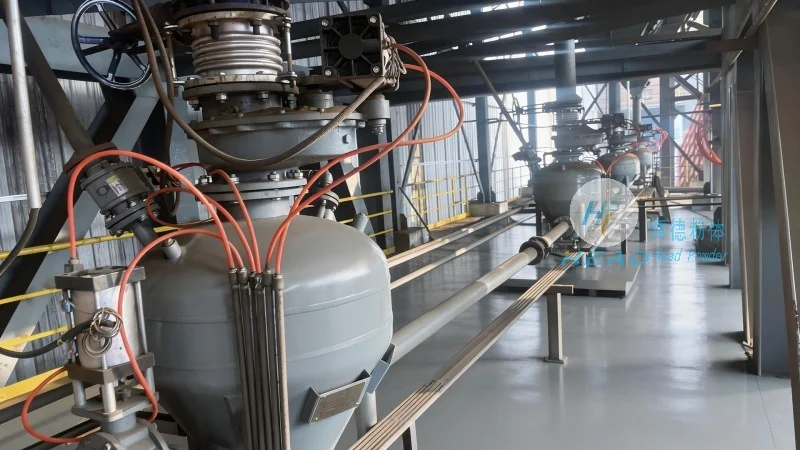
1. Screw Conveyors for Polypropylene Pellets
Screw conveyors, also known as auger conveyors, are widely used in the polypropylene industry due to their simplicity and effectiveness. These systems consist of a rotating helical screw inside a cylindrical tube, which moves pellets forward through the tube. The design allows for vertical or horizontal transport, making them versatile for different plant layouts. For polypropylene pellets, which are typically lightweight and free-flowing, screw conveyors provide consistent and gentle handling, minimizing product degradation. The smooth surface of the screw and the enclosed tube prevent contamination and dust exposure, which is critical for maintaining pellet quality. Companies like Shandong HeadPowder Engineering Co., Ltd. often recommend screw conveyors for applications where continuous, low-speed transport is required, such as in storage silos or processing lines.
2. Pneumatic Conveying Systems
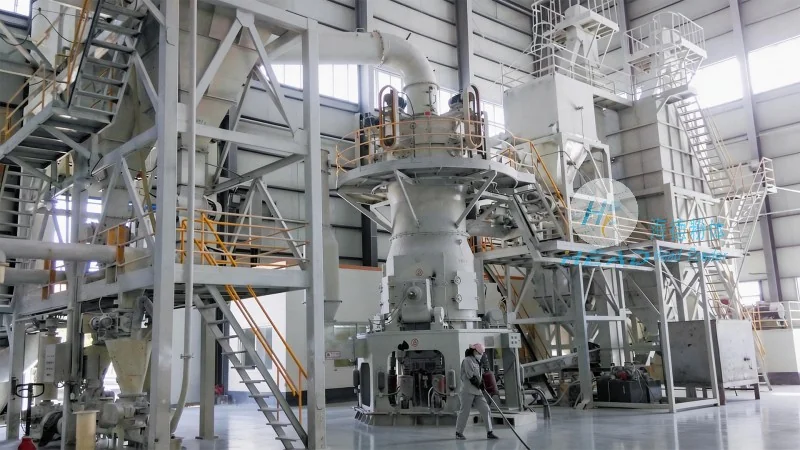
Pneumatic conveying, or air-powered transport, is another popular method for polypropylene pellet handling. This technology uses compressed air to move pellets through a pipeline system. There are two main types: pressure and vacuum systems. Pressure systems push pellets forward using high-pressure air, while vacuum systems pull them through using low-pressure air. Pneumatic conveying offers advantages like high capacity, flexibility in layout, and the ability to transport pellets over long distances without the need for multiple transfer points. However, it requires careful consideration of air pressure, pipeline design, and material flow to prevent blockages or degradation. For polypropylene pellets, which can be prone to static charge, some systems incorporate anti-static measures to ensure smooth operation. Shandong HeadPowder Engineering Co., Ltd. specializes in designing pneumatic conveying solutions tailored to specific production needs, ensuring efficient and safe transport.
3. Belt Conveyors
Belt conveyors are commonly used for transporting polypropylene pellets over medium to long distances, especially in bulk handling operations. These systems consist of a continuous belt that moves over rollers or idlers, carrying the pellets from one point to another. Belt conveyors are known for their high capacity and ability to handle large volumes of material efficiently. They are particularly suitable for horizontal or slightly inclined transport, making them ideal for loading and unloading trucks, moving pellets between processing stages, or transporting from storage to production lines. The belt material is typically chosen to prevent pellet slip and ensure smooth movement. For polypropylene pellets, which are often dusty, some belt conveyors are equipped with dust suppression systems to maintain a clean working environment. This method is widely adopted in industries where reliability and durability are essential, and companies like HeadPowder provide customized belt conveyor solutions to meet specific operational requirements.
4. Bucket Elevators
Bucket elevators are vertical conveying systems that use buckets attached to a chain or belt to lift polypropylene pellets from lower to higher levels. This method is highly effective for vertical transport, allowing pellets to be moved from storage silos to processing equipment or overhead conveyors. Bucket elevators are known for their high lift capacity and ability to handle abrasive materials without significant wear. For polypropylene pellets, the buckets are designed to grip the material securely, preventing spillage and ensuring efficient vertical transport. These systems are often used in combination with other conveying methods, such as screw or belt conveyors, to create a complete material handling system. Shandong HeadPowder Engineering Co., Ltd. offers bucket elevator solutions that are engineered for durability and efficiency, ensuring reliable operation in demanding industrial environments.
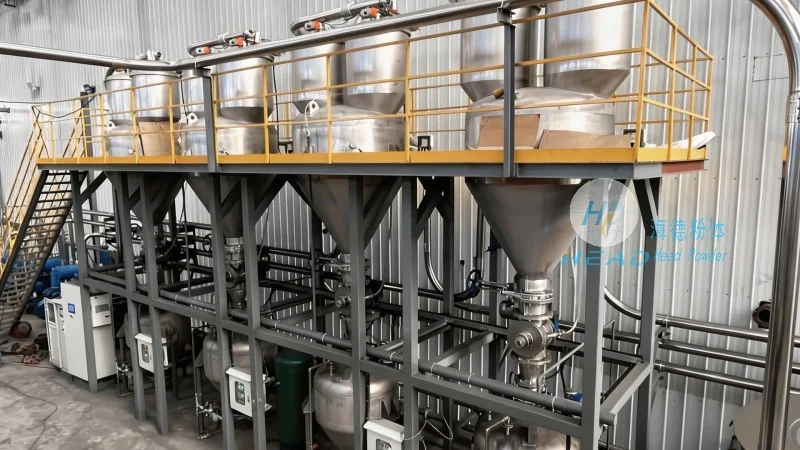
5. Vibrating Conveyors
Vibrating conveyors use vibration to move polypropylene pellets along a trough. The conveyor consists of a flexible or rigid trough that is vibrated at a specific frequency and amplitude, causing the pellets to move forward. This method is particularly effective for handling materials with poor flow characteristics or those that tend to stick together. For polypropylene pellets, which can sometimes exhibit cohesive behavior, vibrating conveyors provide gentle agitation that breaks up clumps and ensures consistent flow. The design allows for both horizontal and inclined transport, making them suitable for various production layouts. Vibrating conveyors are also known for their low maintenance requirements and ability to handle a wide range of material sizes. Companies like HeadPowder design vibrating conveyors with adjustable vibration parameters to optimize performance for specific pellet types and production rates.
6. Considerations for Choosing the Right Conveying Method
When selecting a conveying method for polypropylene pellets, several factors must be considered to ensure optimal performance and cost-effectiveness. First, the material characteristics of the pellets, such as size, density, and moisture content, play a significant role. For example, lightweight pellets may require different handling than heavier, denser ones. Second, the production scale and throughput requirements dictate the capacity and speed of the conveying system. Large-scale operations may need high-capacity systems like pneumatic or belt conveyors, while smaller plants might opt for screw or vibrating conveyors. Third, the operational environment, including space constraints and environmental regulations, influences the choice of equipment. For instance, in areas with strict dust control, pneumatic or enclosed screw conveyors may be preferred. Finally, the cost of installation, maintenance, and energy consumption must be evaluated. Shandong HeadPowder Engineering Co., Ltd. provides comprehensive consulting services to help clients assess these factors and select the most suitable conveying method for their specific needs, ensuring long-term efficiency and reliability.

 Shandong Headpowder Engineering Co., Ltd.
 156-6277-7102(Quản lý Trương)
  0531-83386006
  Thành phố Tế Nam, Tỉnh Sơn Đông, Trung Quốc
Điện thoại
WeChatTư vấn
Lên đầu