Với hơn 10 năm kinh nghiệm về vận chuyển khí nén, Headpowder Sơn Đông cung cấp hệ thống, thiết bị và quạt gió toàn chuỗi, đảm nhận các dự án kỹ thuật bột trọn gói trên toàn quốc.
Fine powder conveyance is a vital process across numerous industrial sectors, requiring robust and efficient methods to transport materials without compromising quality or integrity. The selection of an appropriate conveying system depends on several factors, including material characteristics, operational distance, and environmental constraints. This article examines common approaches for fine powder transport, detailing their mechanisms, advantages, and typical applications to help industrial operators make informed decisions.
Pneumatic Conveying Systems
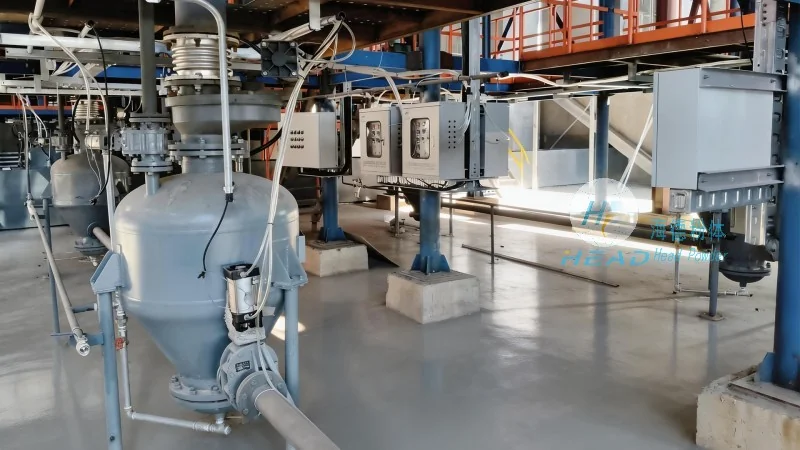
Pneumatic conveying, also known as air-based transport, is a prevalent method for moving fine powders through pipelines using compressed air or other gases. This technique can be categorized into dilute-phase and dense-phase systems. Dilute-phase systems operate with low air-to-material ratios, making them suitable for short to medium transport distances and moderate flow rates. They are ideal for handling non-abrasive or low-density powders, as the material remains suspended in the air stream, reducing the risk of degradation. Dense-phase systems, conversely, use higher air-to-material ratios, enabling the transport of materials with higher bulk densities and over longer distances. These systems are particularly effective for abrasive or cohesive powders, as the material is pushed in a slurry-like state, minimizing segregation and material loss. Pneumatic conveying offers benefits such as low maintenance, the ability to handle corrosive or hazardous materials, and the capacity to integrate with other processing equipment. However, it may require significant energy input and careful control of air pressure to prevent system inefficiencies or material clogging.
Mechanical Conveying Equipment
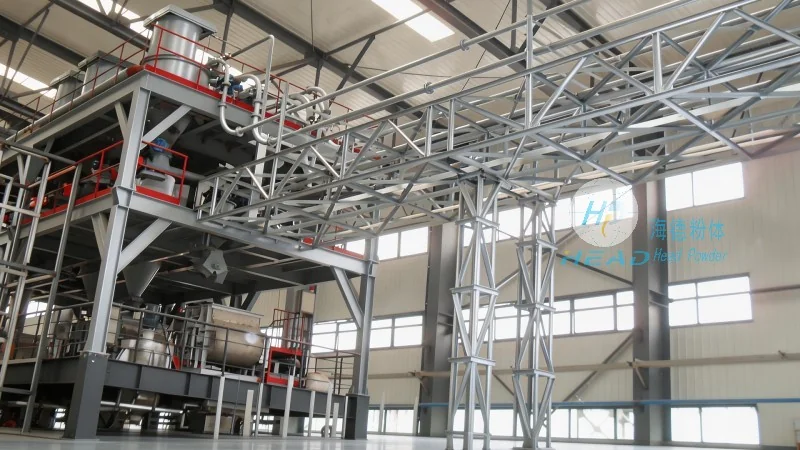
Mechanical conveying methods rely on physical components to move fine powders. Screw conveyors are a widely used option, utilizing a rotating screw within a trough to push material forward. This type of equipment is well-suited for transporting dry, free-flowing powders and can handle materials with varying bulk densities. Screw conveyors are often employed for horizontal or slight incline transport, making them ideal for feeding processes or moving material from storage to processing units. Belt conveyors represent another mechanical solution, using a continuous belt to transport powders over longer distances. They are particularly effective for high-volume applications and can handle a wide range of materials, including fine powders. Belt conveyors offer advantages such as low energy consumption and minimal material degradation, but they may require more space and regular maintenance compared to pneumatic systems. Additionally, mechanical conveyors are generally more cost-effective for short to medium transport distances and are less complex to install and operate. They are especially beneficial when the material is non-abrasive and does not necessitate specialized handling to prevent degradation or loss.
Hybrid Conveying Solutions
In complex industrial setups, hybrid systems combining pneumatic and mechanical components may be employed to address specific process challenges. For instance, a hybrid approach might involve a screw conveyor feeding material into a pneumatic pipeline, ensuring efficient transfer from a storage silo to a processing unit. This integration leverages the strengths of both technologies: the mechanical conveyor for initial handling and the pneumatic system for final transport. Hybrid solutions are often used in scenarios where material needs to be transported over varying distances or through different environments, such as from a hopper to a processing plant. The flexibility of hybrid systems allows for adaptability to diverse fine powders, including those with high moisture content or cohesive properties. By combining mechanical and pneumatic components, operators can optimize material flow, reduce energy consumption, and enhance overall system reliability.
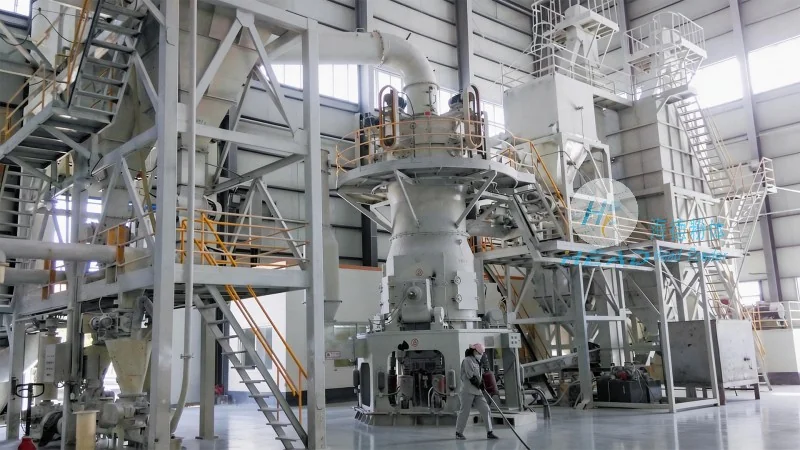
Key Considerations for Conveying Method Selection
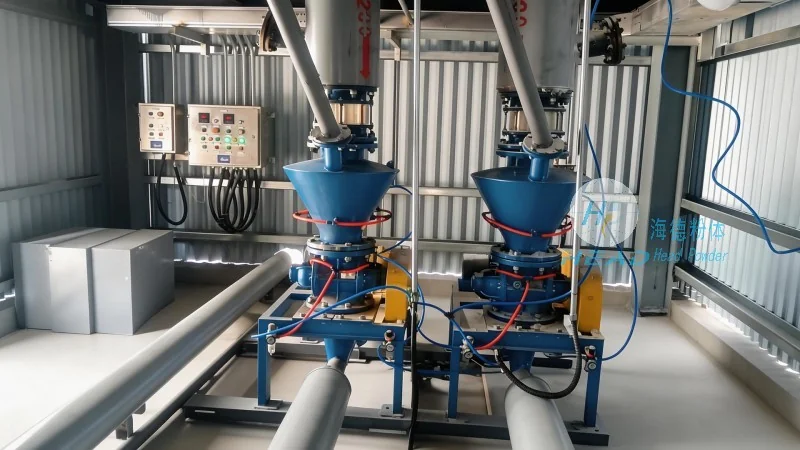
When selecting a fine powder conveying method, several critical factors must be evaluated to ensure optimal performance and efficiency. Material properties, such as particle size distribution, density, moisture content, and flowability, are paramount in determining the most suitable system. For example, highly abrasive powders may require specialized equipment with wear-resistant components to prevent degradation, while sticky or cohesive materials might necessitate additional measures, like vibration or conditioning, to prevent clogging. Process requirements, including the required flow rate, transport distance, and desired material handling speed, also play a significant role. Environmental considerations, including dust control and compliance with regulatory standards, are another essential aspect. Additionally, the cost of equipment, energy consumption, and maintenance requirements should be assessed to align with the overall operational budget and long-term goals. A thorough analysis of these factors helps industrial operators choose the most appropriate conveying technology that balances performance, cost, and sustainability.
Conclusion
Efficient fine powder conveyance is fundamental to the success of many industrial processes, and the choice of method significantly impacts material quality, operational efficiency, and cost. By understanding the mechanisms and applications of pneumatic, mechanical, and hybrid conveying systems, industrial operators can select the most suitable technology for their specific needs. Companies like Shandong HeadPowder Engineering Co., Ltd., based in China, specialize in providing tailored conveying solutions that address the unique challenges of fine powder handling across various industries. Through a combination of advanced engineering and practical experience, these solutions help ensure reliable, safe, and cost-effective transport of fine powders, supporting the overall productivity and sustainability of industrial operations. Whether using traditional pneumatic systems, modern mechanical equipment, or innovative hybrid approaches, the goal remains consistent: to deliver fine powders to their destination with minimal degradation and maximum efficiency.

 Shandong Headpowder Engineering Co., Ltd.
 156-6277-7102(Quản lý Trương)
  0531-83386006
  Thành phố Tế Nam, Tỉnh Sơn Đông, Trung Quốc
Điện thoại
WeChatTư vấn
Lên đầu