Với hơn 10 năm kinh nghiệm về vận chuyển khí nén, Headpowder Sơn Đông cung cấp hệ thống, thiết bị và quạt gió toàn chuỗi, đảm nhận các dự án kỹ thuật bột trọn gói trên toàn quốc.
When it comes to the efficient and reliable transportation of polyester fibers, selecting the right conveying method is crucial for optimizing production processes and ensuring product quality. Shandong HeadPowder Engineering Co., Ltd., a leading manufacturer based in Shandong, China, specializes in providing tailored solutions for various industrial applications. This article explores the primary methods of polyester fiber conveying, highlighting their advantages, applications, and how they contribute to seamless material handling in manufacturing settings.
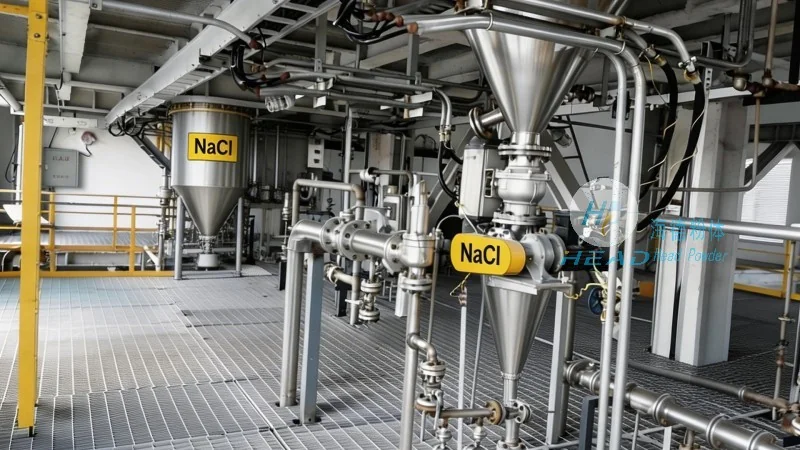
1. Screw Conveyors for Polyester Fiber Handling
Screw conveyors, also known as auger conveyors, are widely used in the polyester fiber industry for their ability to transport bulk materials in a continuous, enclosed manner. These systems consist of a rotating helical screw inside a cylindrical tube, which moves the fibers forward through the conveyor. The design allows for gentle handling of delicate polyester fibers, minimizing breakage and maintaining fiber integrity. Screw conveyors are particularly effective for horizontal or slightly inclined transport, making them suitable for feeding raw materials into processing equipment or transferring finished products from one stage to another. The smooth, low-friction surface of the screw reduces wear and tear, ensuring long-term operational efficiency. In industrial settings, screw conveyors can be customized with different screw diameters, pitch, and speed to accommodate varying fiber types and throughput requirements. This adaptability makes them a versatile choice for polyester fiber conveying, especially in applications where consistent material flow is essential.
2. Belt Conveyors for Large-Scale Polyester Fiber Transport
Belt conveyors represent another common method for polyester fiber transportation, particularly in scenarios requiring the movement of large volumes over longer distances. These systems utilize a continuous belt, typically made of durable materials like rubber or synthetic fabrics, that transports the fibers through a series of rollers and pulleys. The design allows for both horizontal and inclined transport, with the ability to handle a wide range of fiber sizes and shapes. Belt conveyors are ideal for applications such as loading and unloading raw polyester fibers from storage silos or transporting finished products to packaging areas. Their high capacity and ability to operate at steady speeds make them suitable for continuous production lines. Additionally, belt conveyors can be equipped with side guards and safety features to prevent material spillage and ensure operator safety. The smooth surface of the belt reduces friction, minimizing fiber damage and maintaining the quality of the material. For large-scale operations, belt conveyors offer a cost-effective solution for polyester fiber conveying, with the flexibility to integrate with other processing equipment and automation systems.
3. Pneumatic Conveying Systems for Flexible Polyester Fiber Handling
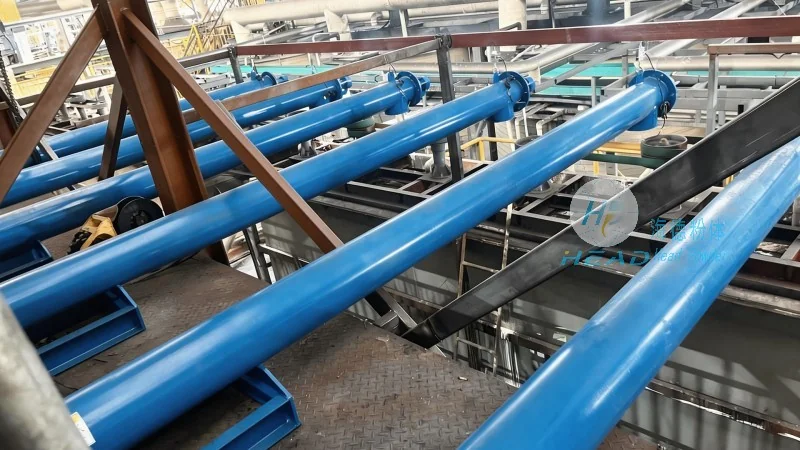
Pneumatic conveying systems, also known as air conveyor systems, provide a flexible and efficient method for transporting polyester fibers, especially in applications where the material needs to be moved through complex pathways or over vertical distances. These systems use compressed air to move the fibers through a network of pipes or ducts, utilizing either pressure or vacuum to create the flow. The design allows for the transportation of fine or powdery polyester fibers without the need for mechanical contact, reducing the risk of contamination and material degradation. Pneumatic conveyors are particularly useful in industries where dust control and hygiene are critical, such as in food processing or pharmaceutical applications. They can be configured as positive displacement or dilute phase systems, depending on the specific requirements of the polyester fiber being conveyed. Positive displacement systems use rotary valves or pumps to push the fibers through the system, ensuring consistent flow rates, while dilute phase systems rely on the velocity of the air to transport the fibers. Pneumatic conveying systems are also suitable for transporting polyester fibers from multiple sources to a central processing unit, making them ideal for integrated manufacturing environments. The flexibility of these systems allows for easy integration with existing production lines and the ability to adjust flow rates as needed, enhancing overall operational efficiency.
4. Bucket Elevators for Vertical Polyester Fiber Transport
For applications requiring vertical transport of polyester fibers, bucket elevators offer a reliable and efficient solution. These systems consist of a vertical or inclined conveyor with a series of buckets attached to a rotating chain or belt. The buckets scoop up the polyester fibers at the bottom and carry them upward, depositing the material at the top of the elevator. Bucket elevators are particularly effective for moving large quantities of fibers vertically, such as from a storage hopper to a processing machine or from one floor to another in a multi-level facility. The design allows for gentle handling of the fibers, minimizing breakage and maintaining their quality. Bucket elevators are available in various configurations, including chain and bucket, belt and bucket, and slat and bucket, each with its own advantages depending on the specific application. Chain and bucket elevators are commonly used for heavy-duty applications, while belt and bucket elevators are suitable for lighter loads. The vertical transport capability of bucket elevators reduces the need for additional horizontal conveyors, saving space and simplifying the overall material handling system. This makes them an ideal choice for polyester fiber conveying in facilities with limited horizontal space or where vertical movement is necessary to achieve the desired production flow.
5. Vibrating Conveyors for Gentle Polyester Fiber Handling
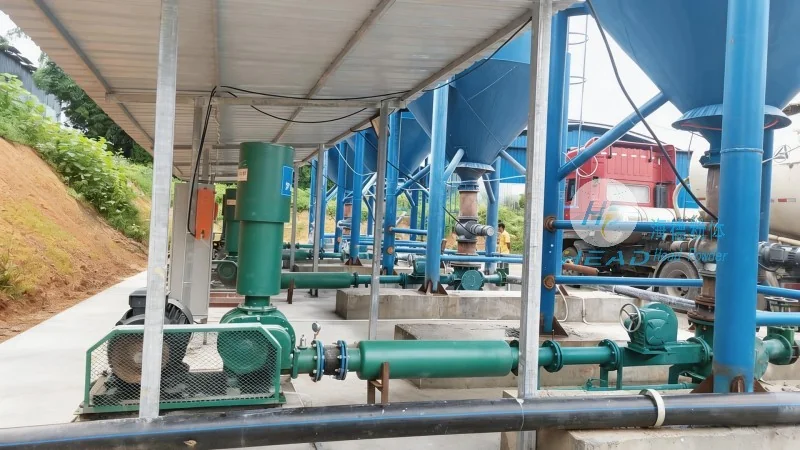
Vibrating conveyors are another method used for the transportation of polyester fibers, particularly when the material requires gentle handling to prevent damage or degradation. These systems utilize vibrations to move the fibers along a trough or conveyor bed, which can be made of metal, plastic, or other materials depending on the application. The design allows for low-friction movement, minimizing the risk of fiber breakage and maintaining the integrity of the material. Vibrating conveyors are effective for both horizontal and inclined transport, with the ability to handle a wide range of fiber sizes and shapes. They are commonly used in applications where the fibers need to be transported over long distances or through complex pathways, such as in textile manufacturing or fiber processing plants. The gentle motion of the conveyor reduces the impact on the fibers, making it suitable for delicate polyester fibers that are prone to damage from mechanical stress. Vibrating conveyors can be customized with different vibration frequencies and amplitudes to optimize the material flow rate and ensure consistent performance. This adaptability makes them a versatile choice for polyester fiber conveying, especially in applications where the material is sensitive to handling conditions. Additionally, vibrating conveyors are relatively low-maintenance and can be integrated with other processing equipment, making them a cost-effective solution for industrial use.
6. Hydraulic Conveying Systems for High-Pressure Polyester Fiber Transport
Hydraulic conveying systems represent a specialized method for transporting polyester fibers, particularly in applications where high pressure and precise control are required. These systems use hydraulic fluid to move the fibers through a network of pipes or hoses, utilizing the pressure of the fluid to create the flow. The design allows for the transportation of high-volume polyester fibers with minimal friction, ensuring efficient material handling. Hydraulic conveyors are commonly used in industries such as oil and gas, where the fibers may be mixed with other materials or require high-pressure processing. They are also suitable for applications where the fibers need to be transported over long distances or through challenging terrain, such as in mining or construction. The high-pressure capability of hydraulic systems allows for the efficient movement of dense or heavy polyester fibers, making them ideal for applications where traditional conveying methods may not be effective. Hydraulic conveying systems can be customized with different pump sizes and pressure ratings to accommodate varying fiber types and throughput requirements. This flexibility makes them a reliable choice for polyester fiber conveying, especially in demanding industrial environments. The use of hydraulic systems also provides precise control over the flow rate and pressure, ensuring consistent performance and minimizing the risk of material blockages or damage.

 Shandong Headpowder Engineering Co., Ltd.
 156-6277-7102(Quản lý Trương)
  0531-83386006
  Thành phố Tế Nam, Tỉnh Sơn Đông, Trung Quốc
Điện thoại
WeChatTư vấn
Lên đầu