Với hơn 10 năm kinh nghiệm về vận chuyển khí nén, Headpowder Sơn Đông cung cấp hệ thống, thiết bị và quạt gió toàn chuỗi, đảm nhận các dự án kỹ thuật bột trọn gói trên toàn quốc.
Dust conveying is a critical process in various industrial applications, particularly in sectors like manufacturing, mining, and material processing. The efficient and safe transport of dust and powders is essential for maintaining operational efficiency and ensuring workplace safety. There are several common methods used for dust conveying, each with its own advantages and applications. This article will explore the primary methods used in the industry, focusing on the technologies and considerations that make them effective.
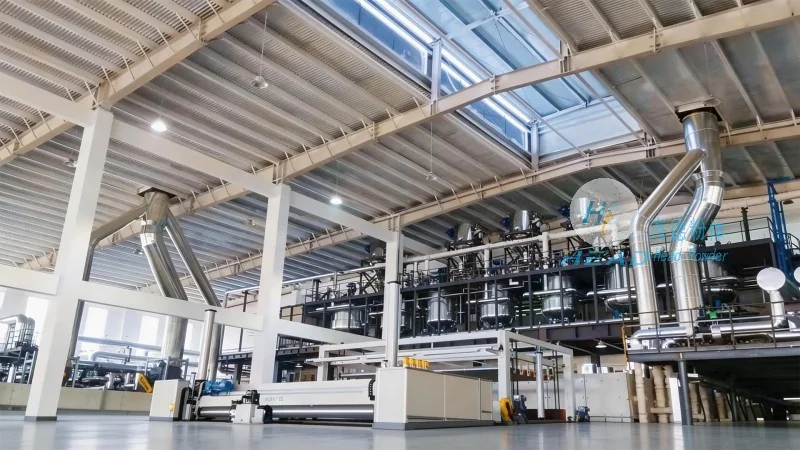
1. Air-Lift or Pneumatic Conveying
One of the most widely used methods for dust conveying is pneumatic conveying, which utilizes air or gas to transport particles through a pipeline. This method is particularly effective for handling fine powders and can be categorized into different types based on the pressure used. High-pressure systems use compressed air to push the material forward, while low-pressure or vacuum systems use suction to draw the material into the system. Pneumatic conveying offers advantages such as the ability to transport materials over long distances, the flexibility to handle different particle sizes, and the option to integrate with other processing equipment. The technology is commonly employed in industries like food processing, pharmaceuticals, and chemical manufacturing, where the need to handle sensitive or hygienic powders is high.
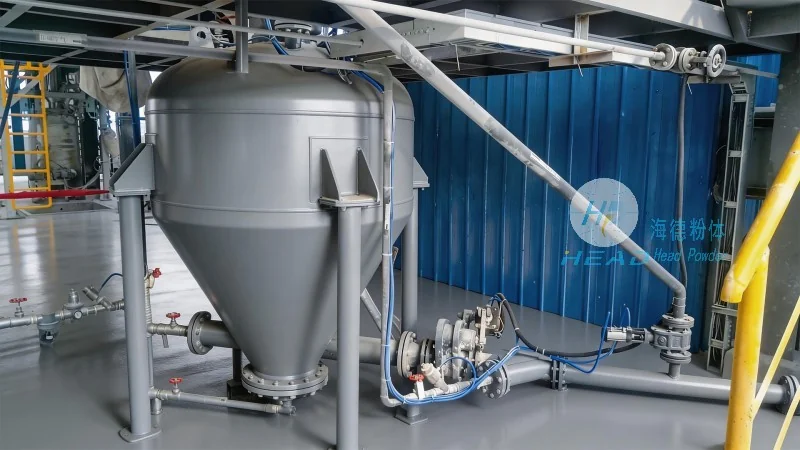
2. Mechanical Conveying Systems
Another common approach to dust conveying is through mechanical systems, which rely on physical components like belts, screws, and buckets to move materials. Screw conveyors, for example, use a rotating screw to push material along a trough, making them suitable for handling bulk materials with moderate moisture content. Bucket elevators, on the other hand, use a series of buckets attached to a chain or belt to lift and transport materials vertically. These systems are often preferred in applications where the material is abrasive or has a high density, as they can handle larger volumes and provide more reliable performance compared to pneumatic systems. Mechanical conveying is widely used in industries such as agriculture, construction, and mining, where the need to transport bulk materials efficiently is paramount.
3. Hydraulic Conveying
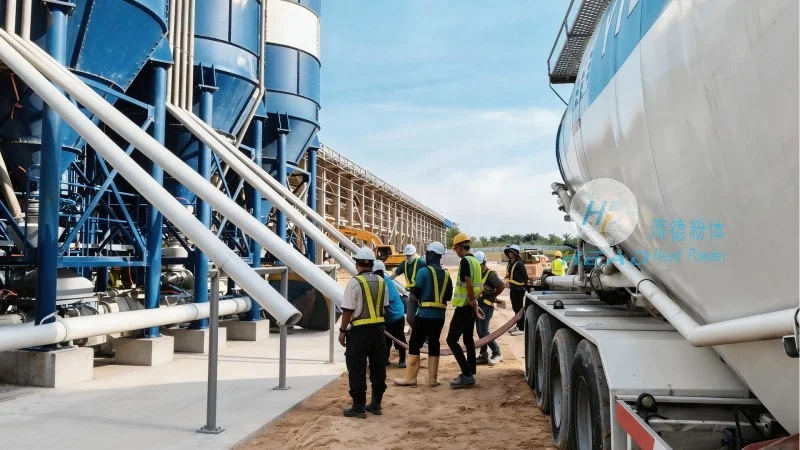
Hydraulic conveying is a less common but effective method that uses water or other liquids to transport solid particles. This technique is particularly useful for handling materials that are difficult to convey via air or mechanical means, such as very fine or cohesive powders. The process involves mixing the material with water to form a slurry, which is then pumped through a pipeline. Hydraulic conveying offers the advantage of being able to transport materials over long distances with minimal energy consumption and the ability to handle high concentrations of solids. However, it requires additional equipment for slurry preparation and separation, which can increase operational costs. This method is commonly used in industries like mining and mineral processing, where the need to transport ore or other minerals is critical.
4. Combination Systems
In many industrial settings, a combination of the above methods may be used to achieve optimal dust conveying. For example, a pneumatic system might be used to transport fine powders from a storage silo to a processing unit, while a mechanical conveyor is used to transfer bulk materials from a hopper to a mixer. The integration of different systems allows for greater flexibility and efficiency in material handling. Companies like Shandong HeadPowder Engineering Co., Ltd. specialize in designing and manufacturing customized dust conveying systems that incorporate the best features of each method to meet specific customer needs. With a focus on innovation and quality, HeadPowder provides solutions tailored to the unique requirements of each industrial application.
5. Factors to Consider When Choosing a Dust Conveying Method
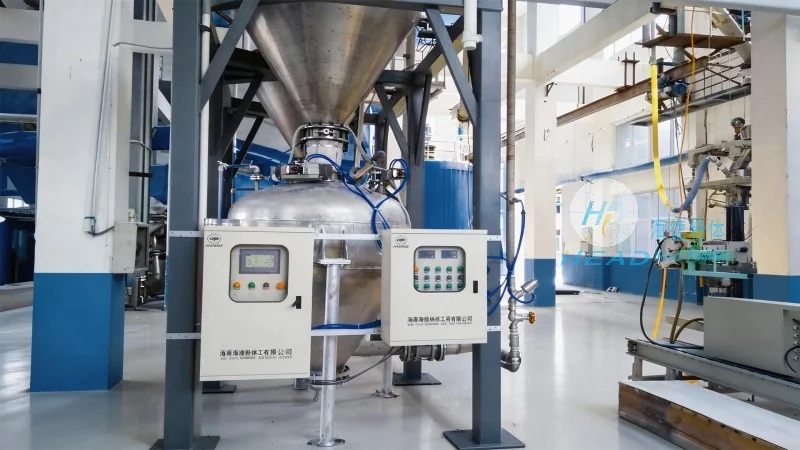
When selecting a dust conveying method, several factors must be considered to ensure the most effective and efficient system. The first is the type and properties of the material being conveyed, including particle size, density, and moisture content. Fine powders may require pneumatic or hydraulic systems, while bulk materials may be better suited for mechanical conveyors. The distance and layout of the conveying system are also important, as different methods have varying capabilities for long-distance transport. Energy consumption and operational costs are additional considerations, as some systems may be more expensive to run than others. Finally, safety and environmental regulations must be taken into account, as dust conveying can pose health and environmental risks if not properly managed. By carefully evaluating these factors, industrial operators can choose the most appropriate dust conveying method for their specific needs.

 Shandong Headpowder Engineering Co., Ltd.
 156-6277-7102(Quản lý Trương)
  0531-83386006
  Thành phố Tế Nam, Tỉnh Sơn Đông, Trung Quốc
Điện thoại
WeChatTư vấn
Lên đầu