Với hơn 10 năm kinh nghiệm về vận chuyển khí nén, Headpowder Sơn Đông cung cấp hệ thống, thiết bị và quạt gió toàn chuỗi, đảm nhận các dự án kỹ thuật bột trọn gói trên toàn quốc.
When selecting a conveying system for bulk materials, the choice of material handling equipment is critical. Polyurethane (PU) is a popular choice due to its excellent abrasion resistance, flexibility, and chemical resistance. However, different conveying methods offer distinct advantages and disadvantages. This article provides a detailed comparison of common polyurethane conveying methods, helping you make an informed decision for your material handling needs.
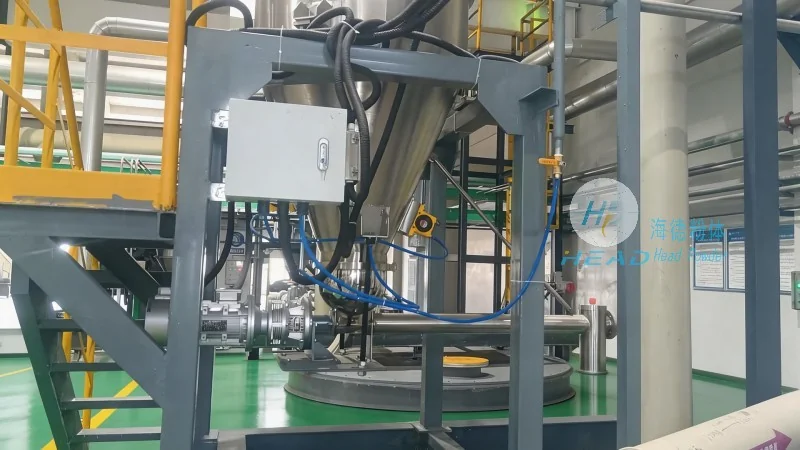
Polyurethane Belt Conveyors: Advantages and Disadvantages
Polyurethane belt conveyors are widely used in industries such as food processing, pharmaceuticals, and mining. The conveyor belt is made from a durable polyurethane material, which can withstand heavy loads and harsh environments. One of the main advantages of PU belt conveyors is their high load capacity and ability to handle a wide range of materials, including powders, granules, and bulk solids. They are also relatively easy to install and maintain. However, PU belts may have a higher initial cost compared to traditional rubber belts. Additionally, they can be susceptible to damage from sharp objects or excessive impact, which may require more frequent replacement.
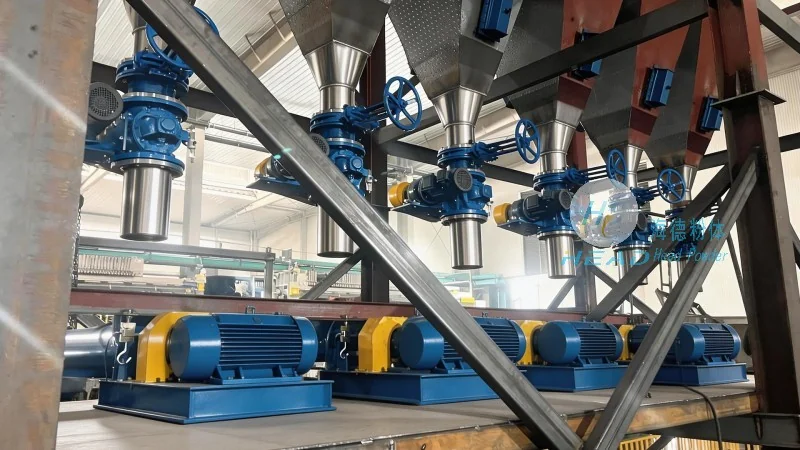
Polyurethane Screw Conveyors: Advantages and Disadvantages
Polyurethane screw conveyors are an efficient and cost-effective solution for vertical or horizontal material transport. The screw, made from polyurethane, rotates to move materials through a tube. A key advantage of PU screw conveyors is their ability to handle fine powders and granules without clogging, as the smooth surface reduces friction and material buildup. They are also compact and can be installed in tight spaces. However, screw conveyors may not be suitable for very abrasive materials, as the polyurethane material can wear down over time. Furthermore, they have a limited capacity for large, heavy objects.
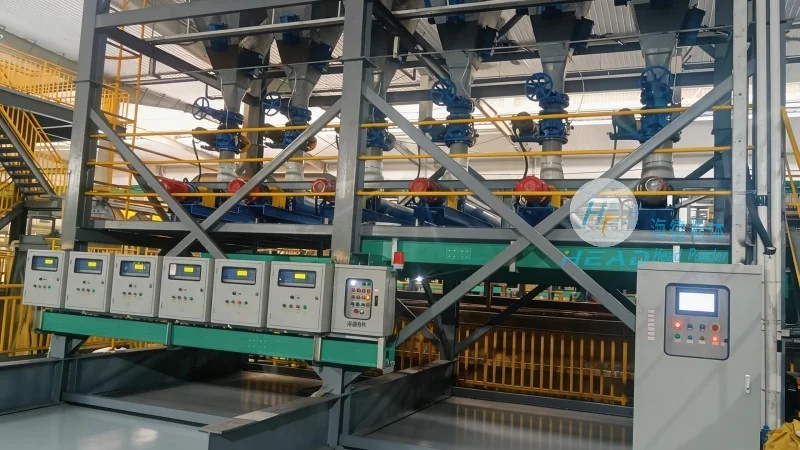
Polyurethane Pneumatic Conveying Systems: Advantages and Disadvantages
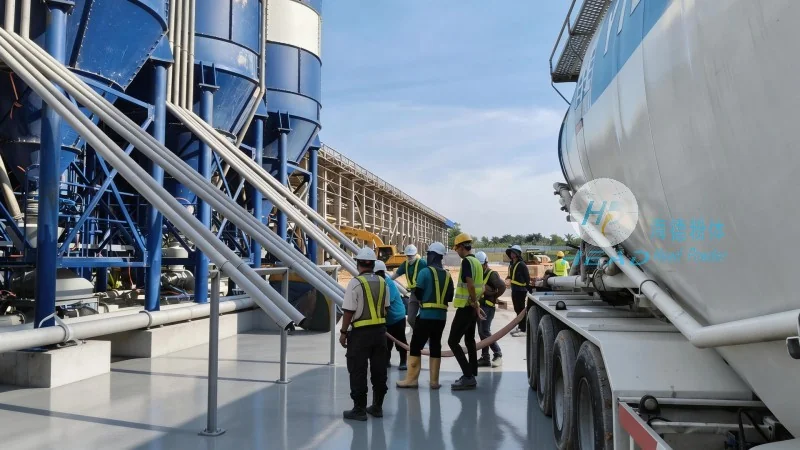
Polyurethane pneumatic conveying systems use air pressure to transport materials through a pipeline. This method is ideal for handling fine powders and granules that are difficult to convey with mechanical systems. One of the main advantages is the ability to transport materials over long distances without the need for multiple transfer points. Pneumatic systems are also relatively clean and can be integrated with dust collection systems. However, they require a constant air supply and may have higher energy consumption compared to other methods. Additionally, the system can be affected by changes in air pressure or temperature, which may impact material flow.
HeadPowder: Your Trusted Partner for Polyurethane Conveying Solutions
Shandong HeadPowder Engineering Co., Ltd. is a leading manufacturer of high-quality polyurethane conveying equipment. With years of experience in the industry, we specialize in designing and producing customized PU conveyor systems to meet the unique needs of our clients. Our products are made from premium materials, ensuring durability and long service life. We offer a wide range of solutions, including belt conveyors, screw conveyors, and pneumatic systems, all tailored to your specific application requirements. Our team of experts works closely with you to understand your material handling challenges and provide the most effective solution. Whether you need a standard conveyor or a custom-designed system, HeadPowder is committed to delivering reliable and efficient polyurethane conveying solutions.

 Shandong Headpowder Engineering Co., Ltd.
 156-6277-7102(Quản lý Trương)
  0531-83386006
  Thành phố Tế Nam, Tỉnh Sơn Đông, Trung Quốc
Điện thoại
WeChatTư vấn
Lên đầu