Với hơn 10 năm kinh nghiệm về vận chuyển khí nén, Headpowder Sơn Đông cung cấp hệ thống, thiết bị và quạt gió toàn chuỗi, đảm nhận các dự án kỹ thuật bột trọn gói trên toàn quốc.
Coal ash, also known as fly ash, is a byproduct of coal combustion in thermal power plants. Efficient and reliable transportation of this material is crucial for the smooth operation of power generation facilities and the management of industrial waste. Various methods are employed to transport coal ash from the source to disposal or utilization sites. This article explores the common methods used for coal ash transportation, highlighting their applications, advantages, and considerations. As a leading provider of industrial solutions, Shandong HeadPowder Engineering Co., Ltd. specializes in the design and implementation of coal ash handling systems, helping power plants optimize their ash management processes.
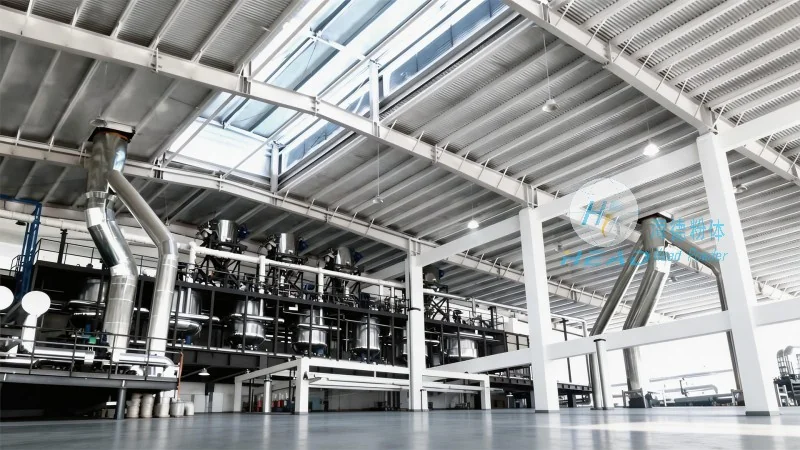
Introduction to Coal Ash Transportation
Coal ash, a fine particulate material resulting from the burning of coal, poses both environmental and operational challenges if not handled properly. The transportation of coal ash requires specialized equipment and systems to ensure safety, efficiency, and compliance with environmental regulations. Understanding the common methods of coal ash transportation helps in selecting the most suitable approach for specific industrial settings.
1. Pipeline Transportation
Pipeline transportation is a widely used method for moving coal ash over long distances. This method involves pumping the ash slurry through a network of pipelines. The slurry, typically a mixture of coal ash and water, is transported under pressure to the designated disposal or utilization site. This approach is particularly effective for large-scale power plants that generate significant amounts of coal ash. The use of pipelines minimizes the need for additional storage and handling equipment at the source, reducing operational costs and environmental impact. However, the initial investment in pipeline infrastructure can be substantial, and maintenance requirements are high. The system is also sensitive to blockages and requires regular cleaning and inspection to ensure consistent performance.
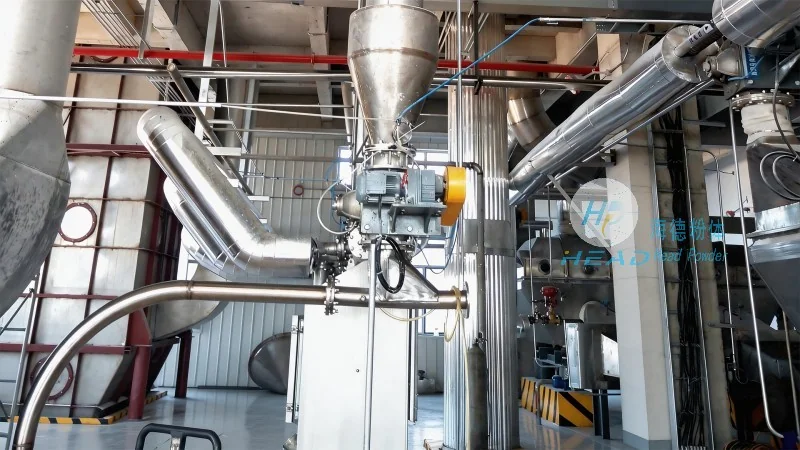
2. Belt Conveyor Systems
Belt conveyor systems are another common method for transporting coal ash, especially over shorter distances within industrial facilities or between different processing units. These systems consist of a continuous loop of conveyor belts that move the ash from one location to another. Belt conveyors are capable of handling large volumes of material and can operate continuously with minimal downtime. They are particularly suitable for transporting ash from the bottom of a boiler or from storage silos to processing equipment. The main advantages of belt conveyors include their ability to handle abrasive materials without significant wear, low maintenance requirements, and the option to integrate with other material handling equipment. However, belt conveyors have limitations in terms of vertical and horizontal incline, and they may not be suitable for very long distances or complex route configurations.
3. Truck Transportation
Truck transportation is often used for short-distance or localized coal ash movement, especially when the ash needs to be transported to a disposal site or a nearby utilization facility. This method involves loading the ash into specialized trucks equipped with containers or trailers designed to handle bulk materials. Truck transportation offers flexibility in terms of route and destination, allowing for the delivery of ash to various locations as needed. It is particularly useful for small to medium-sized power plants or for transporting ash to off-site disposal sites that are not connected by pipelines or conveyor systems. The primary advantages of truck transportation include its adaptability to different terrains and the ability to reach remote or difficult-to-access sites. However, this method is subject to traffic conditions, fuel costs, and environmental regulations regarding emissions and dust control. Additionally, the transportation of large volumes of ash by truck can be logistically complex and may require multiple trips to meet the required capacity.
4. Rail Transportation
Rail transportation is an alternative method for moving coal ash, especially for long-distance or bulk shipments. This approach involves loading the ash into railcars or specialized freight wagons designed to carry bulk materials. Rail transportation is often more cost-effective for large-scale movements compared to truck or pipeline methods, as it can transport significant volumes over long distances with lower fuel consumption per ton-mile. It is particularly suitable for power plants located near railway lines or for transporting ash to distant disposal sites. The main advantages of rail transportation include its high capacity, lower operating costs, and reduced environmental impact compared to trucking. However, the availability of suitable rail infrastructure and the need for loading and unloading facilities at both ends of the route can be limiting factors. Additionally, rail transportation may be less flexible in terms of route changes and may require coordination with railway operators to schedule shipments.
5. Waterway Transportation
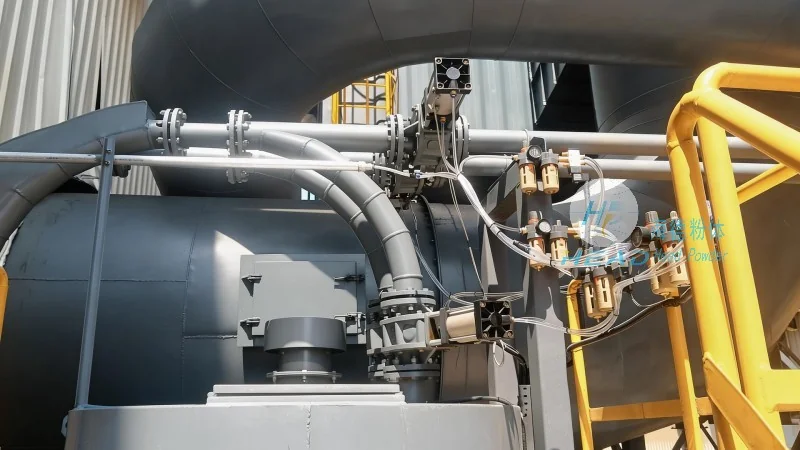
Waterway transportation, such as barge or ship transport, is used for moving coal ash over long distances via rivers, canals, or coastal waters. This method is particularly effective for power plants located near water bodies or for transporting ash to distant disposal sites that are accessible by water. The ash is typically loaded into barges or ships and transported to the destination, where it may be discharged for disposal or utilization. Waterway transportation offers advantages such as low operating costs per ton-mile and the ability to handle very large volumes of material. It is also environmentally friendly as it reduces road traffic and associated emissions. However, this method is dependent on waterway conditions, including water levels, weather, and navigational restrictions. The infrastructure required, such as docks and loading facilities, can be expensive to build and maintain. Additionally, the transportation time may be longer compared to other methods, and there are regulatory considerations regarding the discharge of ash into water bodies.
Factors Influencing the Choice of Transportation Method
The selection of the most appropriate coal ash transportation method depends on several factors, including the volume of ash to be transported, the distance between the source and destination, the available infrastructure, and the environmental and regulatory requirements. For large-scale power plants with extensive pipeline networks, pipeline transportation is often the most efficient option. For shorter distances within a facility, belt conveyors are commonly used due to their reliability and low maintenance. Truck transportation is suitable for localized or irregular movements, while rail and waterway transportation are preferred for long-distance bulk shipments. The cost of initial investment, operational expenses, and environmental impact are also critical considerations in the decision-making process. Companies must evaluate these factors to ensure that the chosen transportation method aligns with their operational goals and complies with all relevant regulations.
Conclusion
Coal ash transportation is a critical aspect of power generation and industrial waste management. The common methods discussed, including pipeline, belt conveyor, truck, rail, and waterway transportation, each offer unique advantages and are selected based on specific operational and logistical requirements. By understanding the characteristics and applications of each method, power plants and industrial facilities can optimize their coal ash management processes, ensuring efficiency, safety, and compliance with environmental standards. The choice of transportation method ultimately impacts the overall cost, reliability, and environmental footprint of the ash handling system.

 Shandong Headpowder Engineering Co., Ltd.
 156-6277-7102(Quản lý Trương)
  0531-83386006
  Thành phố Tế Nam, Tỉnh Sơn Đông, Trung Quốc
Điện thoại
WeChatTư vấn
Lên đầu