Với hơn 10 năm kinh nghiệm về vận chuyển khí nén, Headpowder Sơn Đông cung cấp hệ thống, thiết bị và quạt gió toàn chuỗi, đảm nhận các dự án kỹ thuật bột trọn gói trên toàn quốc.
When it comes to the transportation of lithium oxide, selecting the right conveying method is crucial for ensuring efficiency, safety, and cost-effectiveness in industrial operations. Lithium oxide, a key chemical compound used in various applications including battery production and pharmaceuticals, requires specialized handling due to its reactivity and physical properties. This article provides a detailed comparison of common lithium oxide conveying methods, highlighting their advantages and disadvantages to help industrial stakeholders make informed decisions.
Overview of Lithium Oxide Conveying Methods
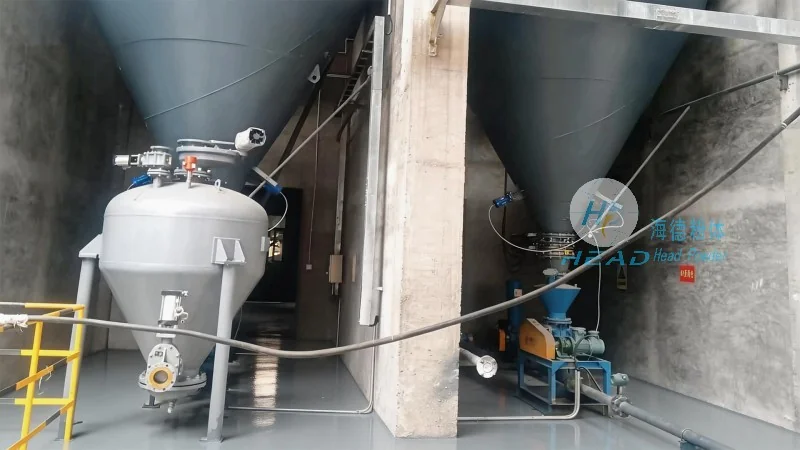
Lithium oxide, with its fine powder characteristics and potential for dust generation, necessitates careful consideration of transportation systems. The primary methods used for conveying lithium oxide include pneumatic conveying, mechanical conveying (such as screw conveyors and belt conveyors), and hydraulic conveying. Each method has distinct characteristics that affect its suitability for different industrial settings.
Pneumatic Conveying: Advantages and Disadvantages
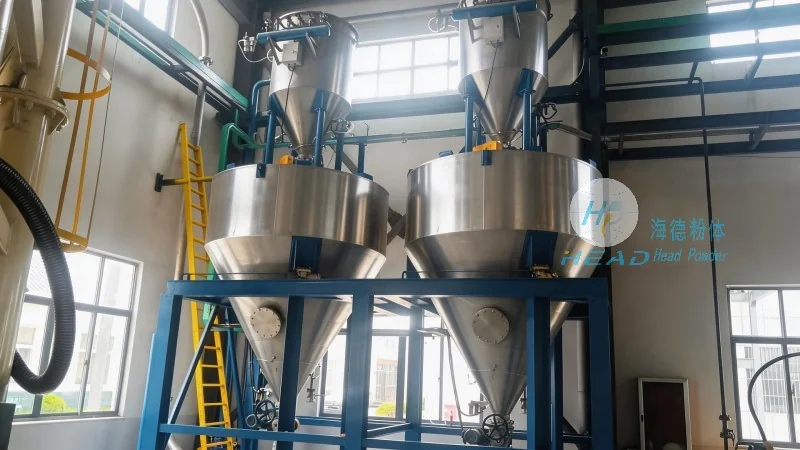
Pneumatic conveying uses air or other gases to transport material through a pipeline. This method is particularly effective for lithium oxide due to its ability to handle fine powders and minimize dust exposure. One of the key advantages of pneumatic conveying is its flexibility, as it can be easily integrated into existing production lines and adapted to different distances and layouts. The system also offers a relatively low risk of material contamination, as the material is enclosed within the pipeline.
However, pneumatic conveying has notable disadvantages. The primary drawback is its higher energy consumption compared to other methods, as it requires significant air pressure to move the material. Additionally, the system can be more complex to maintain, with components like air compressors and filters needing regular upkeep. Another concern is the potential for material degradation or agglomeration if the conveying velocity is too low, which can lead to blockages and reduced efficiency.
Mechanical Conveying: Advantages and Disadvantages
Mechanical conveying methods, such as screw conveyors and belt conveyors, rely on mechanical components to move material. For lithium oxide, screw conveyors are commonly used due to their ability to handle fine powders without the need for air. One of the main advantages of mechanical conveying is its lower energy consumption compared to pneumatic systems, making it more cost-effective for long-distance or high-volume transportation. The system is also relatively simple to install and maintain, with fewer moving parts compared to pneumatic systems.
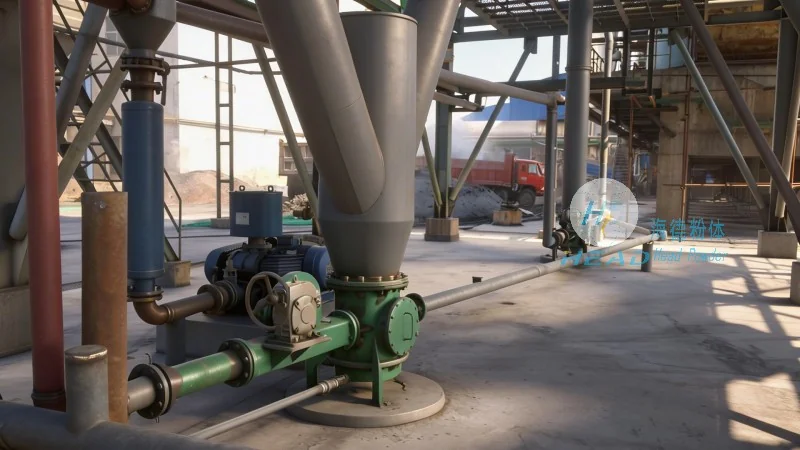
Nevertheless, mechanical conveying has its limitations. The primary disadvantage is the risk of material contamination from the conveyor components, as the material comes into direct contact with metal or plastic parts. This can be a concern for applications where purity is critical, such as in pharmaceutical or battery manufacturing. Additionally, mechanical conveyors may not be suitable for very fine powders, as they can cause agglomeration or blockages if the material is too fine.
Hydraulic Conveying: Advantages and Disadvantages
Hydraulic conveying uses water or other liquids to transport material through a pipeline. This method is less common for lithium oxide due to the potential for water contamination, but it can be effective in certain applications where the material is hygroscopic or requires wet processing. One of the key advantages of hydraulic conveying is its ability to handle very fine powders and prevent dust generation, as the material is suspended in the liquid.
However, hydraulic conveying has significant drawbacks. The primary disadvantage is the high risk of material contamination from the liquid medium, which can affect the purity of lithium oxide. The system also requires additional equipment for water treatment and recycling, increasing operational complexity and costs. Furthermore, hydraulic systems are generally less flexible than pneumatic or mechanical systems, as they are limited by the need for a liquid medium and may not be suitable for long-distance transportation.
Choosing the Right Conveying Method for Lithium Oxide
The selection of an appropriate conveying method for lithium oxide depends on several factors, including the scale of operation, the required purity level, the distance of transportation, and the available infrastructure. For applications requiring high purity and minimal dust exposure, pneumatic conveying may be the preferred choice, despite its higher energy costs. For large-scale, low-purity applications where cost-effectiveness is a priority, mechanical conveying may be more suitable. Hydraulic conveying is generally reserved for specialized applications where the material's properties necessitate wet processing.
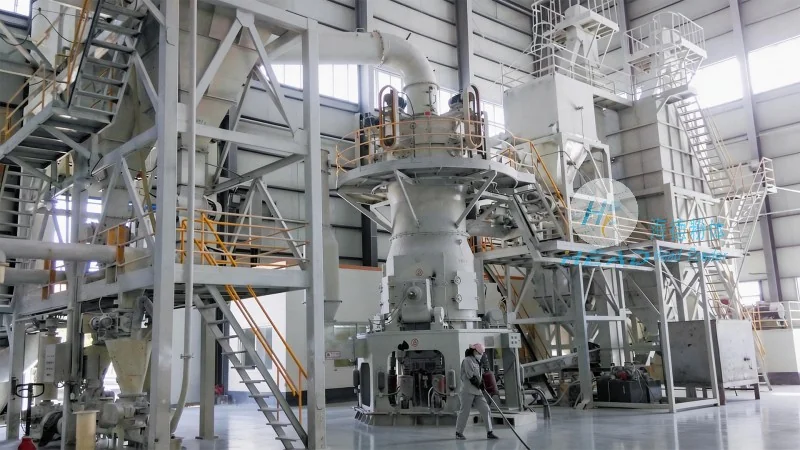
Industrial stakeholders should also consider the maintenance requirements and operational flexibility of each system. Pneumatic systems may require more frequent maintenance due to air compressors and filters, while mechanical systems are generally more durable and easier to maintain. The choice of conveying method should align with the overall production goals and safety standards of the facility.
Conclusion
In conclusion, the selection of a conveying method for lithium oxide is a critical decision that impacts operational efficiency, safety, and cost. By understanding the advantages and disadvantages of pneumatic, mechanical, and hydraulic conveying, industrial operators can choose the most suitable method for their specific needs. It is essential to consider factors such as material purity requirements, transportation distance, and maintenance capabilities when making this decision. For companies dealing with lithium oxide, partnering with experienced suppliers like Shandong HeadPowder Engineering Co., Ltd., based in China, can provide valuable expertise and customized solutions to optimize conveying processes.

 Shandong Headpowder Engineering Co., Ltd.
 156-6277-7102(Quản lý Trương)
  0531-83386006
  Thành phố Tế Nam, Tỉnh Sơn Đông, Trung Quốc
Điện thoại
WeChatTư vấn
Lên đầu