Với hơn 10 năm kinh nghiệm về vận chuyển khí nén, Headpowder Sơn Đông cung cấp hệ thống, thiết bị và quạt gió toàn chuỗi, đảm nhận các dự án kỹ thuật bột trọn gói trên toàn quốc.
Lithium Manganese Oxide (LMO) is a critical cathode material used in lithium-ion batteries, and the efficiency and safety of its handling and transport processes are paramount for manufacturers. This article provides a detailed comparison of common LMO transport methods, highlighting their advantages and disadvantages to help industry professionals make informed decisions.
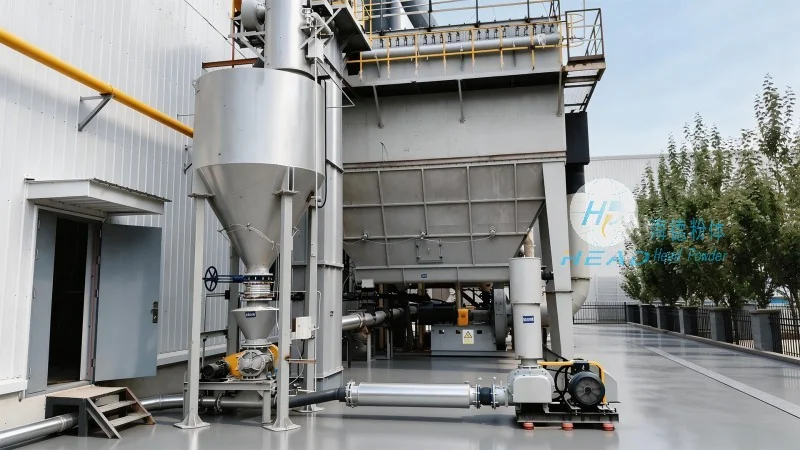
Overview of LMO Transport Methods
LMO, as a high-energy density material, requires specialized handling due to its chemical properties and potential hazards. The primary transport methods used in the industry include manual handling, mechanical conveyance, and automated systems. Each method has distinct characteristics that affect operational efficiency, safety, and cost.
1. Manual Handling Methods
Manual handling involves human operators moving LMO containers or bulk materials. This method is common in small-scale operations or where automation is not feasible. The advantages of manual handling include flexibility and low initial investment. However, it suffers from limitations such as high labor costs, potential for human error, and limited speed compared to mechanical or automated systems. Safety is a major concern, as manual handling increases the risk of accidents and exposure to dust or fumes.
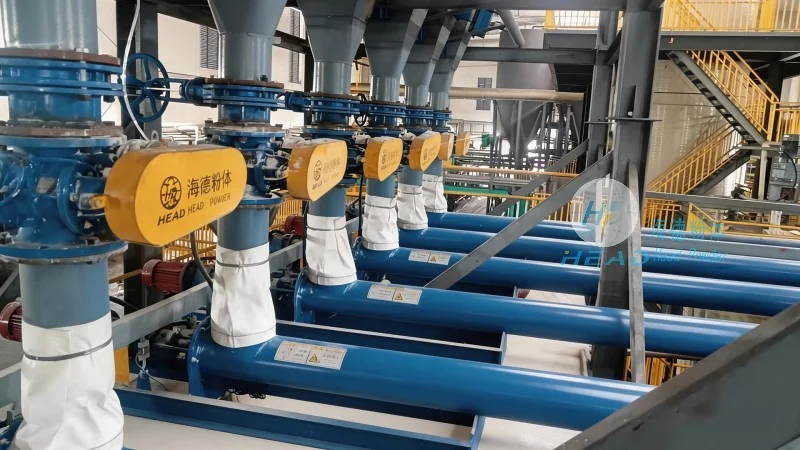
2. Mechanical Conveyance Systems
Mechanical conveyance systems, such as conveyor belts, elevators, and hoists, are widely used for LMO transport. These systems offer improved efficiency and reduced labor costs compared to manual methods. The advantages include consistent speed, reduced human error, and better control over the handling process. However, mechanical systems require regular maintenance and can be expensive to install. They also have limitations in terms of flexibility and may not be suitable for complex or irregular transport routes.
3. Automated Handling and Transport Systems
Automated systems, including robotic arms, automated guided vehicles (AGVs), and integrated material handling solutions, represent the most advanced approach to LMO transport. These systems offer high precision, increased throughput, and enhanced safety through reduced human intervention. The advantages include scalability, adaptability to changing production needs, and lower long-term operational costs. However, automated systems have high initial capital investment and require specialized technical expertise for setup and maintenance. They are best suited for large-scale, high-volume operations where efficiency and consistency are critical.
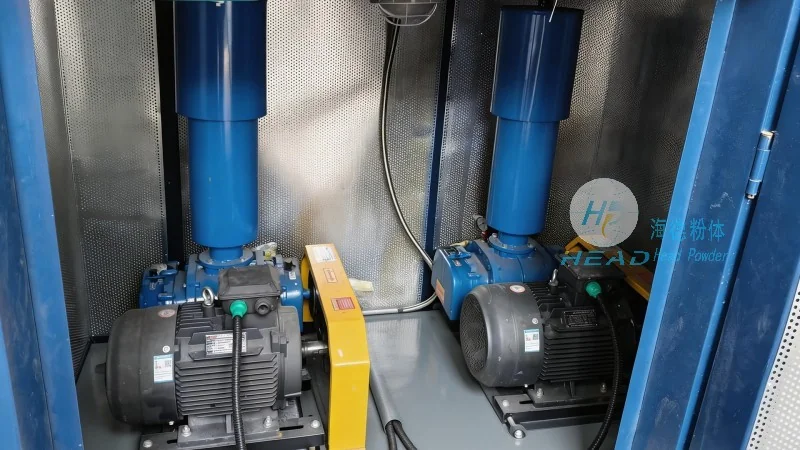
HeadPowder: Expertise in LMO Handling Solutions
Shandong HeadPowder Engineering Co., Ltd. specializes in providing customized engineering solutions for the handling and transport of lithium manganese oxide and other battery materials. With years of experience in the battery materials industry, HeadPowder understands the unique challenges of LMO handling and offers tailored solutions that balance efficiency, safety, and cost-effectiveness. The company’s team of engineers and technicians work closely with clients to assess their specific needs and develop optimal transport systems, whether manual, mechanical, or automated. HeadPowder’s commitment to quality and innovation ensures that clients receive reliable and efficient LMO handling solutions that meet industry standards and regulatory requirements.
Conclusion: Choosing the Right LMO Transport Method
The choice of LMO transport method depends on various factors, including production scale, budget, safety requirements, and operational flexibility. Manual handling is suitable for small operations with low volume needs, while mechanical systems are ideal for medium-scale production. Automated systems are the preferred choice for large-scale, high-volume operations seeking maximum efficiency and safety. By understanding the advantages and disadvantages of each method, manufacturers can select the most appropriate transport solution for their specific requirements. HeadPowder Engineering Co., Ltd. is a trusted partner for businesses seeking expert guidance and customized solutions in LMO handling and transport, ensuring that their operations run smoothly and safely.

 Shandong Headpowder Engineering Co., Ltd.
 156-6277-7102(Quản lý Trương)
  0531-83386006
  Thành phố Tế Nam, Tỉnh Sơn Đông, Trung Quốc
Điện thoại
WeChatTư vấn
Lên đầu