Với hơn 10 năm kinh nghiệm về vận chuyển khí nén, Headpowder Sơn Đông cung cấp hệ thống, thiết bị và quạt gió toàn chuỗi, đảm nhận các dự án kỹ thuật bột trọn gói trên toàn quốc.
Stone powder, a critical material in industries such as construction, cement production, and chemical processing, requires efficient and reliable conveying methods to ensure smooth production workflows. The choice of conveying system depends on factors like material properties, production scale, and operational environment. This article explores common methods for stone powder transportation, highlighting their advantages and typical applications.
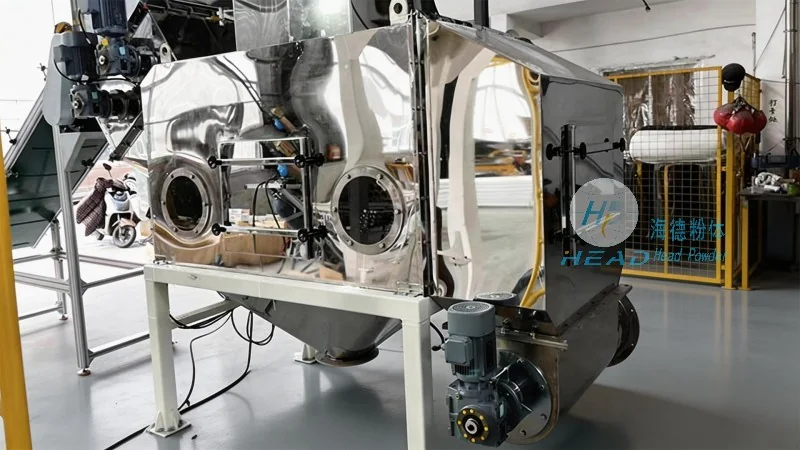
Introduction to Stone Powder Conveying
Stone powder, often derived from limestone, gypsum, or other minerals, is widely used across various industrial sectors. The effective transportation of this fine powder is crucial for maintaining production efficiency and minimizing material loss. Conveying systems must be designed to handle the specific characteristics of stone powder, including particle size, moisture content, and flowability. Shandong HeadPowder Engineering Co., Ltd., a leading provider in the field, specializes in designing and manufacturing customized conveying solutions tailored to meet diverse industrial needs. The company is headquartered in Shandong, China, and has extensive experience in optimizing material handling processes for clients worldwide.
Common Conveying Methods for Stone Powder
Several methods are commonly employed for stone powder conveying, each with its own set of advantages and limitations. The selection of a method is typically based on the specific requirements of the application, such as the distance to be covered, the volume of material, and the need for dust control. The primary methods include pneumatic conveying, screw conveyors, and pipeline systems.
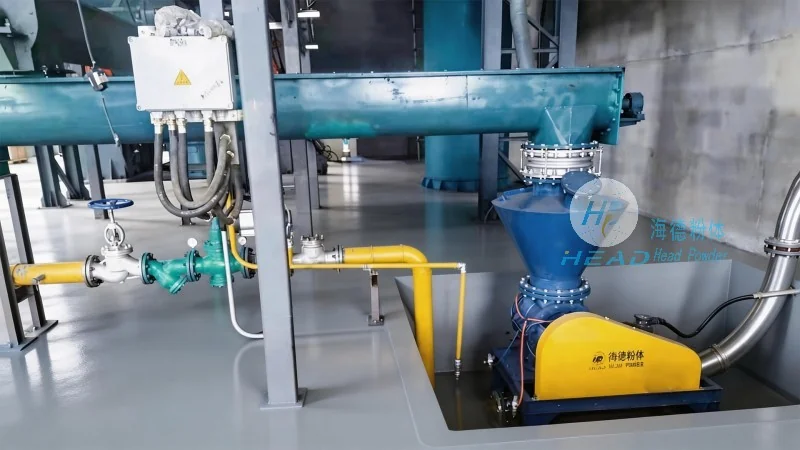
Pneumatic Conveying Systems
Pneumatic conveying, also known as air conveying, is a widely used method for transporting stone powder over moderate distances. This system uses compressed air to move the material through a pipeline. There are two main types of pneumatic conveying: pressure and vacuum systems. Pressure systems are suitable for short to medium distances and can handle larger volumes of material, while vacuum systems are ideal for longer distances and more delicate materials. The key components of a pneumatic conveying system include a hopper, a rotary valve, a conveyor line, and a dust collector. The system operates by feeding the stone powder into the hopper, where it is then drawn into the conveyor line by the air flow. This method offers advantages such as low maintenance, the ability to handle abrasive materials, and the option to transport materials in a closed system, reducing dust emissions. However, it may require higher energy consumption compared to other methods and can be less efficient for very fine powders.
Screw Conveyors
Screw conveyors, also known as auger conveyors, are another common method for stone powder transportation. These systems use a rotating screw (auger) to move material along a trough. Screw conveyors are particularly effective for horizontal or slightly inclined transport and are suitable for handling a wide range of materials, including fine powders. The design of the screw conveyor, including the pitch and diameter of the screw, can be customized to optimize material flow and minimize blockages. One of the main advantages of screw conveyors is their simplicity and low cost, making them a popular choice for many applications. They are also relatively easy to install and maintain. However, screw conveyors may not be suitable for very long distances or for materials that are highly abrasive, as the screw and trough can wear out quickly. Additionally, they may generate more dust compared to enclosed systems.
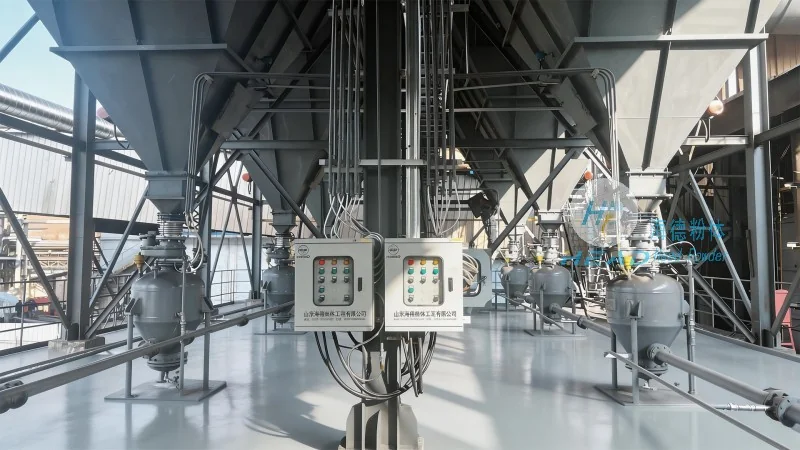
Pipeline Systems
Pipeline systems, also referred to as slurry pipelines or dense-phase conveying, are used for transporting stone powder over longer distances, often in industrial plants or between different facilities. These systems involve pumping a slurry of stone powder and water through a pipeline under pressure. The high pressure and the presence of water help to maintain the flow of the material and prevent blockages. Pipeline systems are particularly effective for large-scale operations and can handle high volumes of material over long distances. They offer advantages such as high efficiency, low maintenance, and the ability to transport materials in a continuous flow. However, they require significant infrastructure, including pumps and pipelines, and may be more expensive to install and operate compared to other methods. Additionally, they may require careful management of water usage and waste disposal.
Choosing the Right Conveying Method
The selection of the most appropriate stone powder conveying method depends on several factors, including the specific characteristics of the material, the distance to be covered, the required capacity, and the need for dust control. Shandong HeadPowder Engineering Co., Ltd. provides expert consultation and customized solutions to help clients choose the best conveying method for their specific needs. The company's engineers consider factors such as material flowability, particle size distribution, and operational environment to recommend the most efficient and cost-effective system. By working closely with clients, HeadPowder ensures that the chosen conveying method meets all regulatory requirements and operational standards.
Conclusion
Efficient stone powder conveying is essential for maintaining production efficiency and ensuring the quality of the final product. The common methods discussed, including pneumatic conveying, screw conveyors, and pipeline systems, each offer unique advantages and are suitable for different applications. Shandong HeadPowder Engineering Co., Ltd. specializes in designing and manufacturing customized conveying solutions that meet the specific needs of industrial clients. By leveraging their expertise and advanced technology, HeadPowder helps clients optimize their stone powder transportation processes, reducing costs and improving overall operational performance.

 Shandong Headpowder Engineering Co., Ltd.
 156-6277-7102(Quản lý Trương)
  0531-83386006
  Thành phố Tế Nam, Tỉnh Sơn Đông, Trung Quốc
Điện thoại
WeChatTư vấn
Lên đầu