Với hơn 10 năm kinh nghiệm về vận chuyển khí nén, Headpowder Sơn Đông cung cấp hệ thống, thiết bị và quạt gió toàn chuỗi, đảm nhận các dự án kỹ thuật bột trọn gói trên toàn quốc.
When it comes to the transportation of activated carbon, selecting the right method is crucial for ensuring efficiency, cost-effectiveness, and operational safety. Activated carbon is widely used in various industrial applications, including air purification, water treatment, and chemical processing, and the choice of transport method directly impacts the overall performance and reliability of these processes. This article provides a detailed comparison of common activated carbon transport methods, highlighting their advantages and disadvantages to help industrial operators make informed decisions.
Overview of Activated Carbon Transport Methods
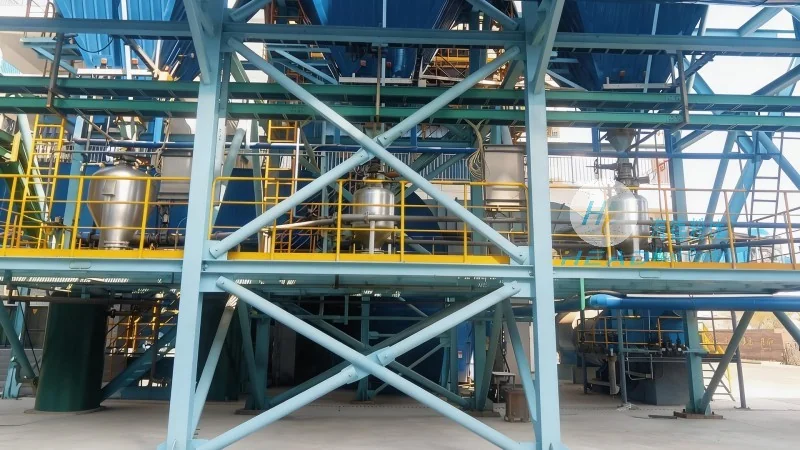
Activated carbon transport methods can be broadly categorized into two main types: mechanical and pneumatic (or air-assisted) systems. Mechanical methods involve the use of conveyors, belts, or other physical mechanisms to move the carbon, while pneumatic systems utilize air or other gases to transport the material through pipes. Each method has its own set of characteristics, making it suitable for different operational conditions and material properties.
1. Pneumatic Conveying Systems: Advantages and Disadvantages
Pneumatic conveying, also known as air-assisted transport, is a popular method for moving activated carbon, especially in applications where the material needs to be transported over long distances or through complex piping networks. This method involves injecting air or other gases into a pipeline to create a flow that carries the carbon particles. The primary advantage of pneumatic conveying is its ability to transport materials in a closed system, which helps maintain product integrity and prevents contamination from external sources. Additionally, it allows for high-speed transport, reducing overall processing time and increasing production capacity. However, pneumatic systems also have several drawbacks. One of the main disadvantages is the high energy consumption required to generate the necessary air pressure, which can significantly increase operational costs. Another issue is the potential for material degradation or degradation of the carbon's surface area due to friction and abrasion within the pipes. Furthermore, the system requires regular maintenance to prevent clogging and ensure consistent performance. The cost of installation and the complexity of the system also contribute to its higher upfront investment compared to other methods.
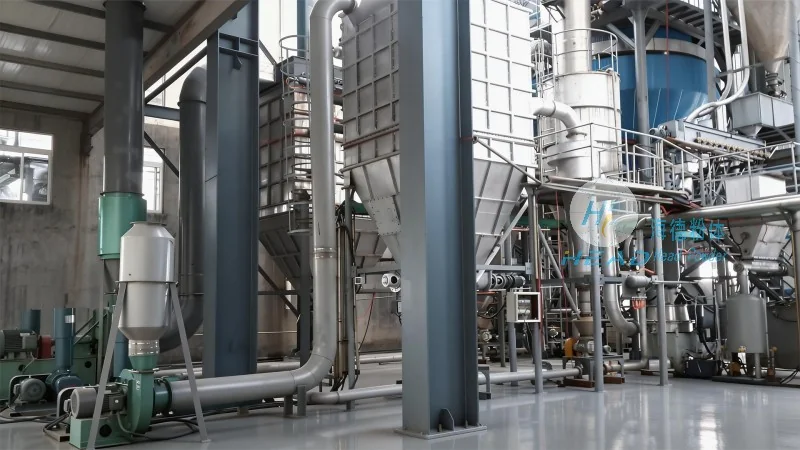
2. Mechanical Conveying Systems: Advantages and Disadvantages
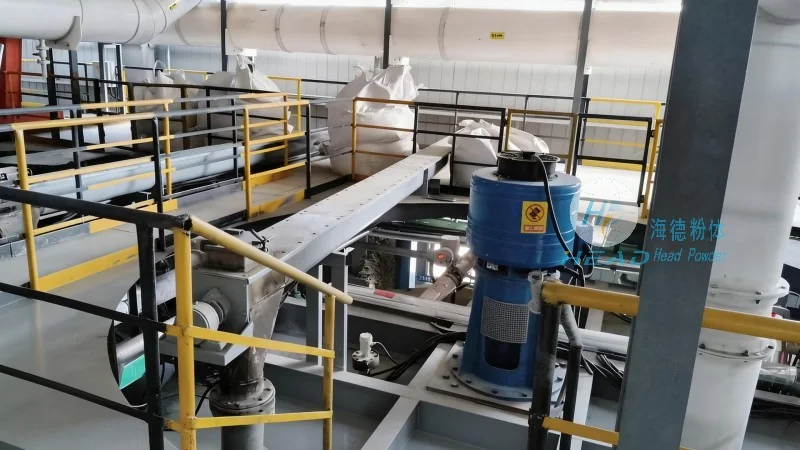
Mechanical conveying systems, such as belt conveyors, screw conveyors, and bucket elevators, are widely used for transporting activated carbon, particularly in applications where the material is handled in bulk quantities and over shorter distances. These systems rely on mechanical components to move the carbon, typically by gravity or by the rotation of conveyor components. The main advantage of mechanical conveying is its low energy consumption compared to pneumatic systems, as it does not require compressed air or other gases. This makes it more cost-effective for long-term operations, especially in environments where energy costs are a significant factor. Additionally, mechanical systems are generally more reliable and require less maintenance, as they have fewer moving parts and are less susceptible to clogging. However, mechanical conveying also has several limitations. One of the key disadvantages is the limited distance it can effectively transport the material, as the material may lose its flowability or become compacted over longer distances. This can lead to reduced efficiency and increased wear on the conveyor components. Another issue is the potential for material segregation or mixing with other substances, which may affect the quality of the activated carbon. Furthermore, mechanical systems are more prone to clogging, especially when handling fine or powdery materials, which can result in downtime and increased maintenance costs.
3. Hydraulic Conveying Systems: Advantages and Disadvantages
Hydraulic conveying systems use water or other liquids to transport activated carbon, typically in applications where the material is highly abrasive or where the process requires a closed-loop system. This method involves pumping the carbon slurry through a pipeline, with the liquid providing the necessary pressure to move the material. The primary advantage of hydraulic conveying is its ability to handle highly abrasive materials without causing significant wear on the system components. Additionally, it allows for the transport of large quantities of material in a continuous flow, which can improve production efficiency. However, hydraulic systems have several drawbacks. The main disadvantage is the high cost associated with the water treatment and disposal process, as the slurry must be cleaned and recycled or disposed of properly. This can increase operational costs and require additional equipment, such as filtration systems. Another issue is the potential for material degradation due to the presence of water, which may affect the carbon's performance in certain applications. Furthermore, hydraulic systems are more complex and require specialized expertise for installation and maintenance, making them less suitable for small-scale operations.
4. Comparison of Transport Methods
When comparing the different activated carbon transport methods, several factors need to be considered, including the distance of transport, the material properties, the required capacity, and the operational budget. Pneumatic systems are generally more suitable for long-distance transport and complex piping networks, while mechanical systems are better for shorter distances and bulk handling. Hydraulic systems are ideal for highly abrasive materials but come with higher maintenance and disposal costs. The choice of method should be based on a thorough analysis of these factors to ensure optimal performance and cost-effectiveness.
Conclusion and Recommendations
Choosing the right activated carbon transport method is a critical decision for industrial operators, as it directly impacts the efficiency and reliability of their processes. Pneumatic conveying offers high-speed transport and closed-system benefits but at a higher energy cost. Mechanical conveying provides low energy consumption and reliability but has limitations in distance and material handling. Hydraulic conveying is suitable for abrasive materials but requires additional costs for water treatment. Ultimately, the best method depends on the specific operational requirements and budget constraints of the facility. It is recommended that operators conduct a detailed analysis of their needs, including the distance of transport, material properties, and required capacity, before selecting a transport system. Additionally, regular maintenance and monitoring of the system are essential to ensure optimal performance and to minimize downtime.
Shandong HeadPowder Engineering Co., Ltd., a leading provider of activated carbon processing solutions, offers expertise in selecting and implementing the most suitable transport methods for industrial applications. With a focus on efficiency, cost-effectiveness, and operational safety, HeadPowder provides customized solutions tailored to the unique needs of each client. The company's team of experts works closely with clients to assess their requirements and recommend the best transport system, ensuring that the activated carbon is transported safely and efficiently. HeadPowder's commitment to quality and customer satisfaction has made it a trusted partner in the activated carbon industry, serving clients in various sectors including water treatment, air purification, and chemical processing. With its headquarters in Shandong, China, HeadPowder continues to innovate and provide cutting-edge solutions to meet the evolving needs of the industry.

 Shandong Headpowder Engineering Co., Ltd.
 156-6277-7102(Quản lý Trương)
  0531-83386006
  Thành phố Tế Nam, Tỉnh Sơn Đông, Trung Quốc
Điện thoại
WeChatTư vấn
Lên đầu