Với hơn 10 năm kinh nghiệm về vận chuyển khí nén, Headpowder Sơn Đông cung cấp hệ thống, thiết bị và quạt gió toàn chuỗi, đảm nhận các dự án kỹ thuật bột trọn gói trên toàn quốc.
When it comes to the efficient handling and transportation of refluxed powder in industrial processes, selecting the right conveying method is crucial. The performance, reliability, and cost-effectiveness of the chosen system directly impact overall operational efficiency. This article provides a detailed comparison of common refluxed powder conveying methods, highlighting their advantages and disadvantages to help industrial operators make informed decisions.
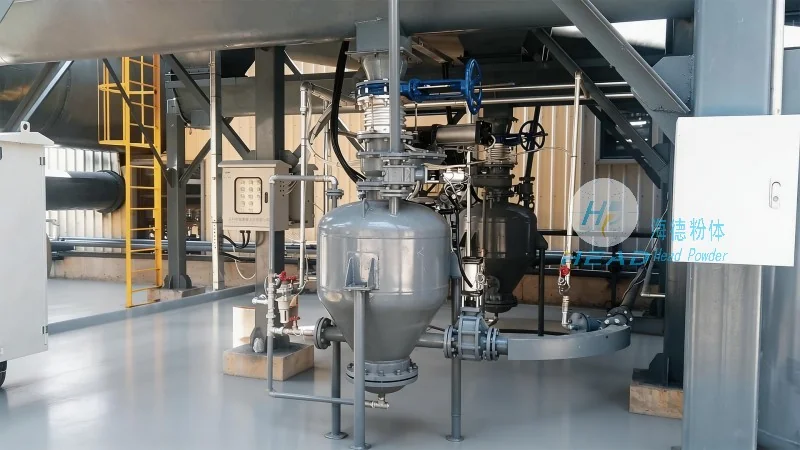
Introduction to Refluxed Powder Conveying
Refluxed powder, often used in industries such as pharmaceuticals, food processing, and chemical manufacturing, requires specialized handling due to its properties like moisture content, particle size, and potential stickiness. Conveying systems must ensure minimal product degradation, maintain hygiene standards, and provide consistent flow rates. The selection of a conveying method depends on factors including material characteristics, production scale, and environmental requirements.
1. Pneumatic Conveying Systems
Pneumatic conveying uses compressed air or other gases to transport powder through a pipeline. This method is widely used for its ability to handle fine powders and provide a dust-free environment. There are two main types: pressure and vacuum systems. Pressure systems are suitable for short to medium distances and can handle higher material loads, while vacuum systems are ideal for long-distance transport and material recovery from process points.
Advantages of pneumatic conveying include high efficiency in moving powders over long distances, minimal product contamination, and the ability to integrate with existing air handling systems. It also offers flexibility in system design, allowing for multiple pickup and discharge points. However, the disadvantages include higher energy consumption compared to mechanical systems, potential for product degradation due to high velocities, and the need for regular maintenance of air filtration and compression equipment.
2. Mechanical Conveying Systems
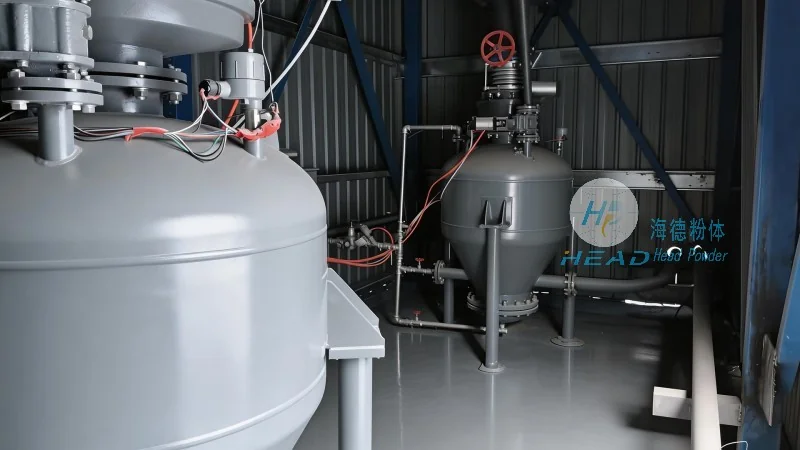
Mechanical conveying relies on mechanical components like belts, screws, and buckets to move powder. Screw conveyors are among the most common, using a rotating screw to push material forward. They are suitable for horizontal or slight incline transport and can handle a wide range of powder types, including those with high moisture content or abrasive properties.
Advantages of mechanical conveyors include lower energy consumption, simplicity in design and operation, and the ability to handle larger volumes of material. They are also relatively inexpensive to install and maintain compared to pneumatic systems. However, mechanical conveyors have limitations in terms of vertical lift capabilities and may cause product degradation due to friction and shear forces. Additionally, they are less effective for fine powders that can settle or clog the screw.
3. Hydraulic Conveying Systems
Hydraulic conveying uses liquid to transport powder, typically in a slurry form. This method is suitable for materials that are difficult to handle dry, such as highly abrasive or sticky powders. The system involves mixing the powder with a liquid to create a slurry, which is then pumped through pipelines.
Advantages of hydraulic conveying include the ability to handle highly abrasive or sticky materials that are challenging for pneumatic or mechanical systems. It also provides consistent flow rates and can be used for long-distance transport. However, the disadvantages include higher costs due to the need for liquid handling equipment, potential for product contamination from the liquid medium, and the requirement for proper dewatering and recycling of the liquid to minimize waste.
4. Air-Liquid Conveying Systems
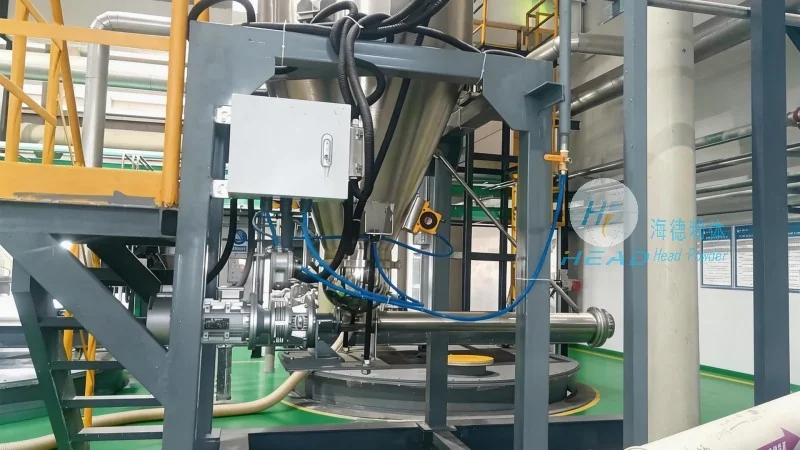
Combining elements of pneumatic and hydraulic systems, air-liquid conveying uses a mixture of air and liquid to transport powder. This method is particularly effective for materials that are sensitive to high velocities or friction. The system typically involves injecting air into the liquid slurry to reduce viscosity and improve flow.
Advantages of air-liquid conveying include improved flow characteristics for difficult-to-handle powders, reduced energy consumption compared to pure pneumatic systems, and the ability to handle long distances. However, the disadvantages include complexity in system design and operation, higher maintenance requirements for the air-liquid mixing equipment, and potential for increased liquid usage compared to pure hydraulic systems.
Conclusion and Recommendations
Choosing the right refluxed powder conveying method requires a thorough analysis of material properties, operational requirements, and cost considerations. Pneumatic systems excel in long-distance transport and dust control but may be energy-intensive. Mechanical conveyors offer simplicity and lower energy use but have limitations in vertical transport and fine powder handling. Hydraulic systems are ideal for abrasive or sticky materials but involve higher costs and liquid management. Air-liquid systems provide a balanced approach but require more complex equipment.
For industrial operators, it is essential to evaluate each method based on specific application needs. Consulting with experts from companies like Shandong HeadPowder Engineering Co., Ltd., which specializes in powder handling solutions, can provide tailored recommendations. By understanding the advantages and disadvantages of each conveying method, businesses can optimize their operations, reduce costs, and ensure the efficient and safe handling of refluxed powder.

 Shandong Headpowder Engineering Co., Ltd.
 156-6277-7102(Quản lý Trương)
  0531-83386006
  Thành phố Tế Nam, Tỉnh Sơn Đông, Trung Quốc
Điện thoại
WeChatTư vấn
Lên đầu