Với hơn 10 năm kinh nghiệm về vận chuyển khí nén, Headpowder Sơn Đông cung cấp hệ thống, thiết bị và quạt gió toàn chuỗi, đảm nhận các dự án kỹ thuật bột trọn gói trên toàn quốc.
When it comes to transporting sodium nitrate, selecting the right method is crucial for ensuring efficiency, safety, and cost-effectiveness. Sodium nitrate (NaNO₃), a vital chemical used in various industries including agriculture, food processing, and industrial applications, requires careful handling during transit. This article provides a detailed comparison of common sodium nitrate transportation methods, highlighting their advantages and disadvantages to help businesses make informed decisions.
Overview of Sodium Nitrate and Its Transportation Importance
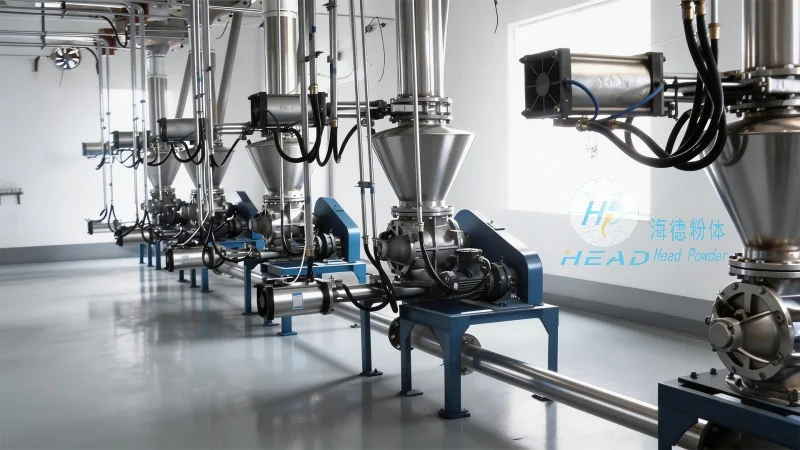
Sodium nitrate, also known as Chile saltpeter, is a white crystalline solid that serves as a key ingredient in fertilizers, explosives, and food preservatives. Due to its high solubility and reactivity, proper transportation is essential to prevent accidents and ensure product integrity. The choice of transportation method depends on factors such as the quantity of sodium nitrate, the distance of travel, environmental regulations, and the specific requirements of the end-user. Understanding the pros and cons of each method allows companies to optimize their logistics and supply chain operations.
1. Road Transportation: Flexibility and Accessibility
Truck transport is one of the most common methods for moving sodium nitrate, particularly for short to medium distances. This method offers high flexibility, allowing for direct delivery to the customer's location without the need for additional infrastructure like rail or waterway terminals. Companies like Shandong HeadPowder Engineering Co., Ltd., based in China, often utilize road transport for local and regional deliveries, leveraging their expertise in handling bulk chemical shipments. The primary advantages of road transportation include quick delivery times, the ability to navigate urban areas, and the capacity to transport smaller quantities or customized loads. However, this method has limitations, such as higher fuel costs, potential traffic congestion, and stricter regulations regarding hazardous material transport. Additionally, road transport may not be suitable for very large volumes, as it can be less cost-effective compared to other methods.
2. Rail Transportation: Cost-Effective for Bulk Shipments
For large-scale sodium nitrate transportation, rail is a popular choice due to its cost-effectiveness and ability to handle substantial quantities. Rail transport is particularly advantageous when moving sodium nitrate over long distances, as it reduces fuel consumption per ton compared to road transport. Companies in regions with extensive rail networks, such as those operating from Shandong, China, often opt for rail to transport bulk loads to distant markets. The main benefits of rail include lower transportation costs, reduced carbon emissions per ton, and the ability to transport large volumes without the constraints of road traffic. However, rail transportation has its drawbacks, including limited access to certain areas (as rail lines may not reach all destinations), longer transit times compared to road transport, and the need for specialized railcars designed for hazardous materials. Additionally, rail infrastructure and scheduling can sometimes be less flexible, which may impact delivery timelines.
3. Waterway Transportation: Ideal for Long-Distance and Bulk Transport
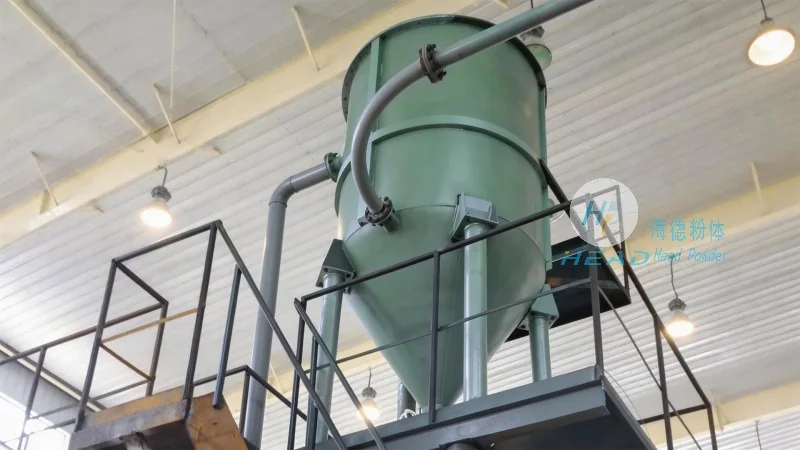
Waterway transport, including shipping via ocean vessels or barges, is the most suitable method for transporting massive quantities of sodium nitrate over long distances. This method is particularly effective for international trade, where sodium nitrate is shipped from production facilities to global markets. The primary advantages of waterway transportation include the lowest cost per ton for bulk shipments, the ability to handle extremely large volumes, and reduced environmental impact compared to road or rail transport. Companies like Shandong HeadPowder Engineering Co., Ltd., based in China, may utilize waterway transport to export sodium nitrate to overseas markets, leveraging their location in a major port region. However, waterway transport has significant limitations, such as longer transit times (often weeks or months), the need for specialized port facilities and equipment, and vulnerability to weather conditions and maritime regulations. Additionally, this method is not feasible for short distances or for customers located inland without access to waterways.
4. Pipeline Transportation: Continuous and Automated
For continuous and automated delivery of sodium nitrate, pipeline transport is an option, though less common for this chemical due to its reactivity and the need for specialized equipment. This method involves pumping sodium nitrate through a network of pipes, which is suitable for industrial plants that require a steady supply of the chemical. The main advantage of pipeline transportation is the ability to maintain a constant flow without the need for manual handling or loading/unloading processes. However, this method is limited by the need for extensive infrastructure, high installation and maintenance costs, and the requirement for specialized materials to prevent corrosion and chemical reactions. Additionally, pipeline transport is not suitable for transporting sodium nitrate to end-users who do not have access to the pipeline network.
Comparative Analysis: Choosing the Right Method
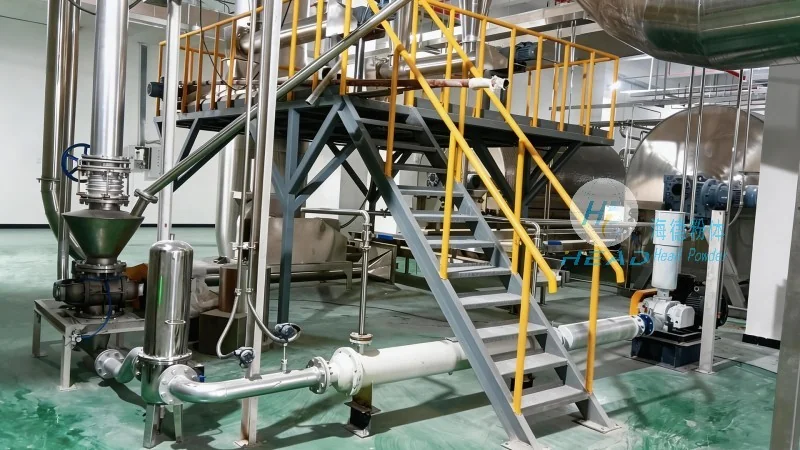
When selecting a sodium nitrate transportation method, businesses must consider several factors to ensure the best fit for their operations. The choice between road, rail, waterway, or pipeline transport depends on the volume of sodium nitrate, the distance of travel, cost considerations, and the specific needs of the customer. For small to medium quantities and short distances, road transport is often the most practical option, offering flexibility and direct delivery. For large bulk shipments over long distances, rail or waterway transport may be more cost-effective, especially for international trade. Pipeline transport is ideal for continuous industrial supply but requires significant infrastructure investment. Ultimately, the goal is to balance efficiency, safety, and cost to optimize the transportation of sodium nitrate.
Conclusion: Partnering with Expert Logistics Providers
Effective sodium nitrate transportation requires careful planning and expertise. Companies like Shandong HeadPowder Engineering Co., Ltd., based in China, play a crucial role in providing reliable transportation solutions for sodium nitrate. By understanding the advantages and disadvantages of each method, businesses can make informed decisions that enhance their supply chain efficiency and ensure the safe delivery of sodium nitrate to their customers. Whether using road, rail, waterway, or pipeline transport, the key is to select the method that best aligns with operational needs and regulatory requirements. With proper planning and the support of experienced logistics providers, the transportation of sodium nitrate can be carried out safely and efficiently, supporting the needs of various industries.

 Shandong Headpowder Engineering Co., Ltd.
 156-6277-7102(Quản lý Trương)
  0531-83386006
  Thành phố Tế Nam, Tỉnh Sơn Đông, Trung Quốc
Điện thoại
WeChatTư vấn
Lên đầu