Với hơn 10 năm kinh nghiệm về vận chuyển khí nén, Headpowder Sơn Đông cung cấp hệ thống, thiết bị và quạt gió toàn chuỗi, đảm nhận các dự án kỹ thuật bột trọn gói trên toàn quốc.
Metallurgical coke is a crucial raw material in the iron and steel industry, and the efficient transportation of coke from production sites to processing facilities is vital for maintaining production continuity and operational efficiency. Various conveying methods are employed in the industry, each with its own set of advantages and disadvantages. This article provides a detailed comparison of common metallurgical coke conveying methods, focusing on their operational characteristics, cost implications, and suitability for different industrial applications.
1. Belt Conveyor System
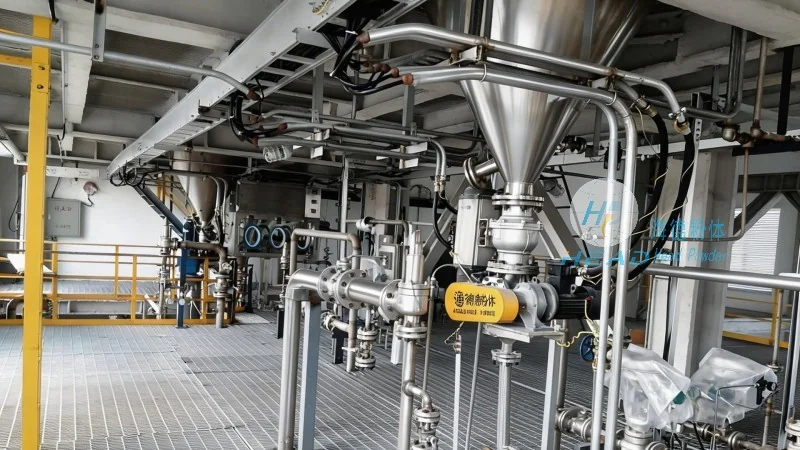
The belt conveyor is one of the most widely used methods for transporting metallurgical coke due to its high capacity, long-distance transport capability, and relatively low maintenance costs. It consists of a continuous loop of belt that moves over rollers or pulleys, carrying the coke from the source to the destination. The primary advantage of belt conveyors is their ability to handle large volumes of coke over extended distances, making them ideal for bulk material handling in steel plants. They are also relatively simple in design and operation, which reduces the need for specialized maintenance personnel. However, belt conveyors have some limitations. For instance, they are susceptible to damage from heavy impacts or abrasive materials, which can lead to increased downtime and repair costs. Additionally, belt conveyors require significant space for installation, and their maintenance can be costly if the belt or rollers need replacement. Another drawback is that they are not suitable for vertical or steep incline transport, as this can cause excessive belt tension and wear.
2. Pneumatic Conveying System
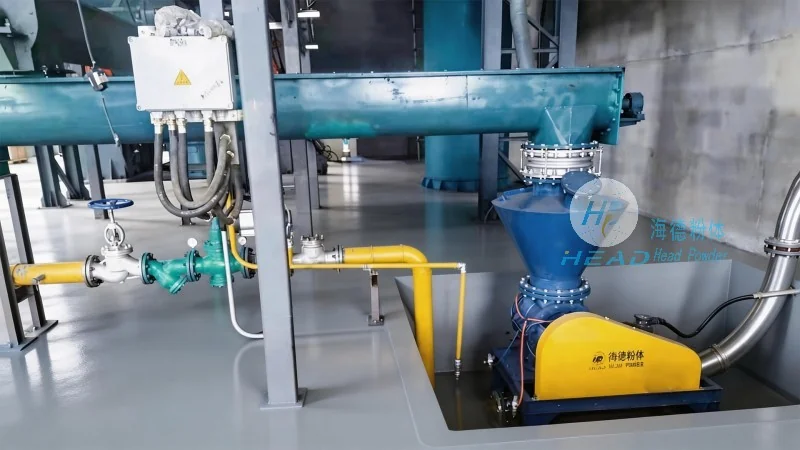
Pneumatic conveying, also known as airslide or air-pipe conveying, uses air pressure to transport metallurgical coke through a pipeline system. This method is particularly effective for transporting coke over short to medium distances and for handling fine or dusty materials. The main advantage of pneumatic conveying is its ability to transport coke in a closed system, which helps to prevent dust contamination and environmental pollution. It also allows for the integration of multiple conveying lines, enabling flexible material distribution within a facility. However, pneumatic conveying has several disadvantages. The most significant is the high energy consumption, as it requires powerful air compressors to generate the necessary pressure. This increases operational costs, especially for long-distance or high-volume transport. Additionally, the system is prone to blockages if the coke is too wet or contains large particles, which can cause system failures and require manual intervention. Pneumatic conveying also has limitations in terms of material handling capacity, as it is less efficient for very large or heavy coke pieces. Furthermore, the initial investment for a pneumatic conveying system is higher compared to other methods due to the need for specialized equipment like air compressors and pipelines.
3. Scraper Conveyor System
Scraper conveyors, also called chain conveyors or bucket elevators, use a chain with attached scrapers to move metallurgical coke along a trough. This method is commonly used for vertical or steep incline transport, as well as for handling materials in confined spaces. The primary advantage of scraper conveyors is their ability to handle materials with high moisture content or sticky properties, as the scrapers can effectively move the coke without it sticking to the conveyor surface. They are also suitable for vertical transport, which is difficult for belt conveyors. However, scraper conveyors have several drawbacks. The most significant is the high wear and tear on the chain and scraper components due to the abrasive nature of coke. This leads to frequent replacement and higher maintenance costs. Additionally, the system is less efficient for large volumes of coke compared to belt conveyors, as the chain speed is limited. Another disadvantage is that it can produce noise and vibration, which may affect the working environment. Scraper conveyors are also not suitable for transporting very fine or dusty coke, as the material can easily fall through the gaps between the chain and the trough.
4. Screw Conveyor System
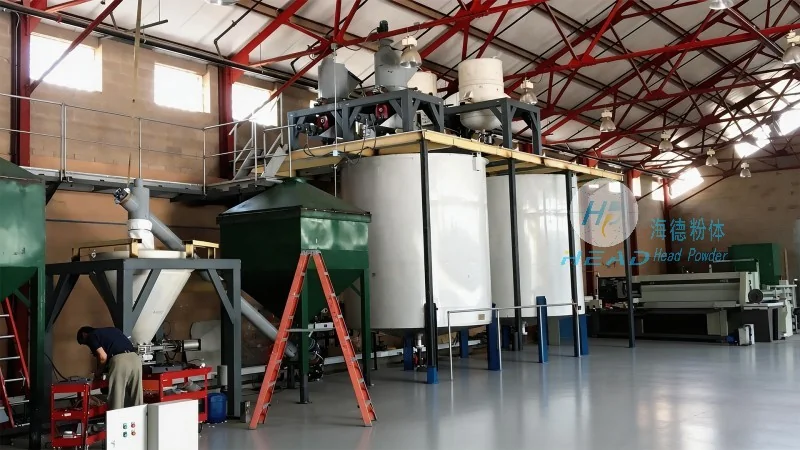
Screw conveyors, also known as auger conveyors, use a rotating screw to move metallurgical coke through a tube or trough. This method is commonly used for short to medium distance transport and for handling materials in confined spaces. The main advantage of screw conveyors is their compact design, which allows for installation in areas with limited space. They are also relatively simple to operate and maintain, as they have fewer moving parts compared to other conveyors. Screw conveyors are suitable for vertical transport and can handle materials with high moisture content or sticky properties, as the screw can push the coke forward without it sticking. However, screw conveyors have several limitations. The most significant is the low capacity compared to other methods, as the screw speed is limited by the need to prevent material blockages. This makes them less suitable for bulk material handling. Additionally, the system is prone to wear and tear on the screw and trough, especially if the coke is abrasive. The initial investment for a screw conveyor is relatively low, but the maintenance costs can be high due to the need for frequent replacement of the screw and trough liners. Screw conveyors are also not suitable for transporting very large or heavy coke pieces, as the screw may not be able to handle the load.
5. Comparison and Selection Criteria
When selecting a metallurgical coke conveying method, several factors need to be considered, including the distance of transport, the volume of coke to be handled, the nature of the coke (e.g., size, moisture content, dustiness), and the available space and budget. Belt conveyors are generally the most cost-effective for long-distance and high-volume transport, while pneumatic conveying is suitable for short to medium distances and closed systems. Scraper conveyors are ideal for vertical or steep incline transport and handling sticky materials, while screw conveyors are suitable for compact spaces and short distances. The choice of method should also consider the environmental impact, as some methods may produce more dust or noise than others. Ultimately, the optimal conveying method depends on the specific requirements of the steel plant and the operational constraints.

 Shandong Headpowder Engineering Co., Ltd.
 156-6277-7102(Quản lý Trương)
  0531-83386006
  Thành phố Tế Nam, Tỉnh Sơn Đông, Trung Quốc
Điện thoại
WeChatTư vấn
Lên đầu