Với hơn 10 năm kinh nghiệm về vận chuyển khí nén, Headpowder Sơn Đông cung cấp hệ thống, thiết bị và quạt gió toàn chuỗi, đảm nhận các dự án kỹ thuật bột trọn gói trên toàn quốc.
Pea conveying is a critical process in agricultural and food processing industries, ensuring efficient movement of peas from harvest to processing or storage. The choice of conveying method depends on various factors such as the volume of peas, the distance to be covered, and the specific requirements of the processing facility. Understanding the common methods for pea conveying helps in selecting the most suitable equipment for optimal performance and cost-effectiveness.
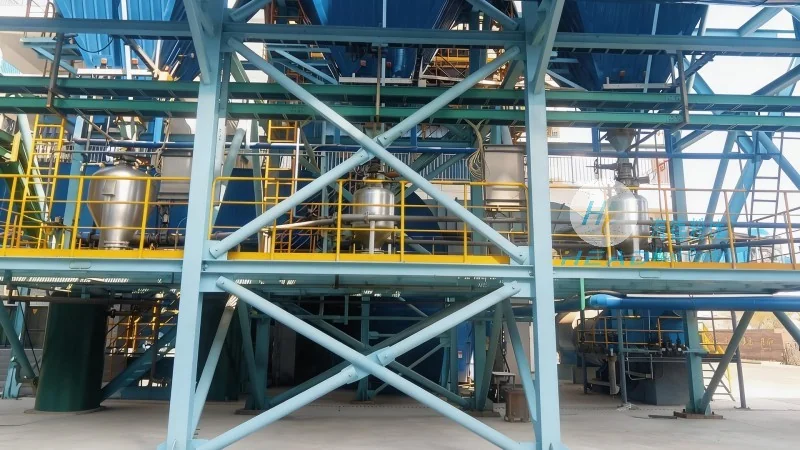
1. Gravity Conveying Systems
Gravity conveying systems utilize the natural force of gravity to move peas along inclined chutes or troughs. This method is often used for short distances and when the peas are in a dry or semi-dry state. The design typically involves a sloped channel that allows peas to slide down under their own weight. Gravity conveyors are simple in structure, requiring minimal maintenance, and are suitable for low to medium volumes of peas. They are particularly effective in situations where the processing line is laid out in a way that naturally creates a slope, reducing the need for additional power.
2. Mechanical Conveying with Screw/ auger Conveyors
Screw or auger conveyors are widely used for pea conveying due to their versatility and ability to handle a wide range of pea types and conditions. These systems consist of a rotating screw inside a tube or trough, which pushes peas forward through the mechanism. The speed of the screw can be adjusted to control the conveying rate, making them suitable for both bulk and smaller batches. Screw conveyors are particularly effective for vertical or inclined transport, as they can lift peas to higher levels while maintaining a consistent flow. They are commonly used in processing plants where peas need to be moved from storage bins to processing equipment or for cleaning and sorting stages.
3. Belt Conveyors for Pea Transport
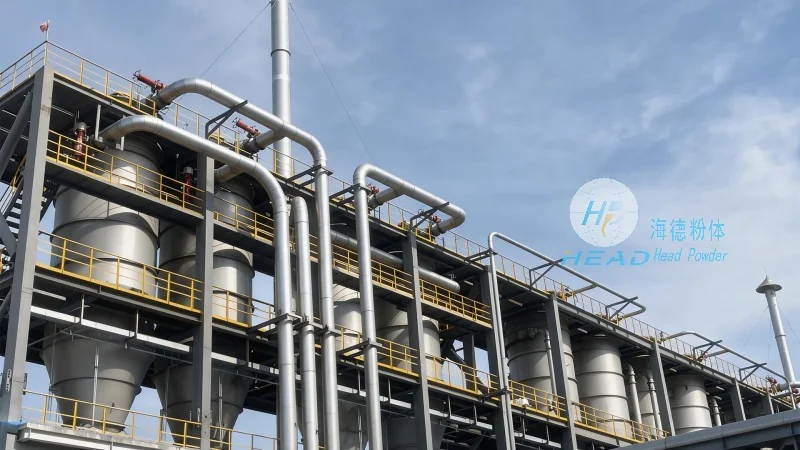
Belt conveyors are another popular choice for pea conveying, especially in large-scale operations. These systems use a continuous belt that moves over rollers or a flat surface, transporting peas from one point to another. The belt can be made of various materials, such as rubber or PVC, to withstand the abrasiveness of peas and moisture. Belt conveyors are highly efficient for long distances and can handle high volumes of peas. They are often equipped with side guides to keep the peas on the belt and prevent spillage. This method is ideal for applications where the peas need to be transported over horizontal or slightly inclined paths, and where a smooth, continuous flow is required.
4. Pneumatic Conveying Systems
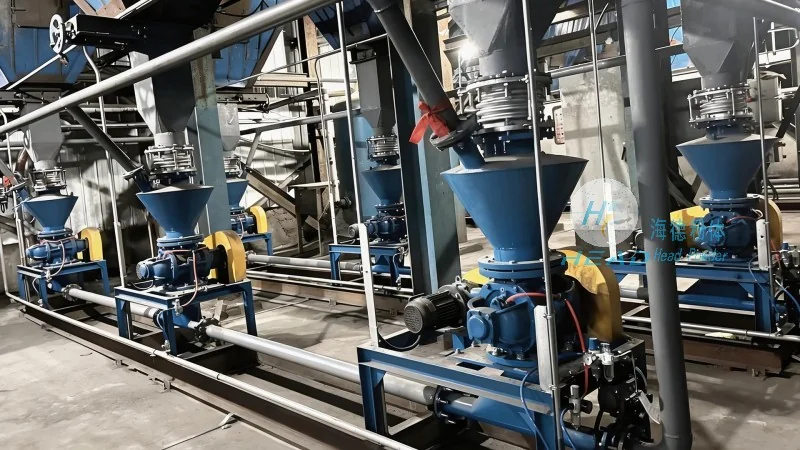
Pneumatic conveying systems use air pressure to transport peas through a pipeline. This method is particularly useful for moving peas in a dry or wet state, as it can handle both bulk and fine particles. The system typically consists of a hopper, a blower, and a pipeline network. The peas are fed into the hopper and then drawn into the pipeline by the air pressure, moving them to the destination. Pneumatic conveyors are flexible in terms of layout, as the pipeline can be installed in various configurations, including vertical, horizontal, or a combination of both. They are suitable for applications where the processing line is complex or where space is limited. However, they require more energy compared to other methods and may need additional equipment for cleaning and maintenance.
5. Combination of Conveying Methods
In many processing facilities, a combination of the above methods is used to achieve the most efficient pea conveying system. For example, a gravity conveyor might be used for the initial short distance from the storage bin to a belt conveyor, which then transports the peas to a screw conveyor for vertical lifting. This integrated approach ensures that the peas are moved smoothly and efficiently through the entire processing line, minimizing downtime and maximizing productivity. The choice of combination depends on the specific layout of the facility, the volume of peas, and the processing requirements.
Conclusion
Choosing the right pea conveying method is crucial for the success of any pea processing operation. Each method has its advantages and limitations, and the selection should be based on a thorough analysis of the operational needs. By understanding the common methods and their applications, businesses can optimize their conveying systems, reduce costs, and improve overall efficiency. As a leading provider of conveying solutions, Shandong HeadPowder Engineering Co., Ltd. offers a range of equipment tailored to meet the diverse needs of the pea industry, ensuring reliable and efficient movement of peas from harvest to market.

 Shandong Headpowder Engineering Co., Ltd.
 156-6277-7102(Quản lý Trương)
  0531-83386006
  Thành phố Tế Nam, Tỉnh Sơn Đông, Trung Quốc
Điện thoại
WeChatTư vấn
Lên đầu